










































PM presents 12-point roadmap for a cleaner, greener Dhaka
PM presents 12-point roadmap for a cleaner, greener Dhaka

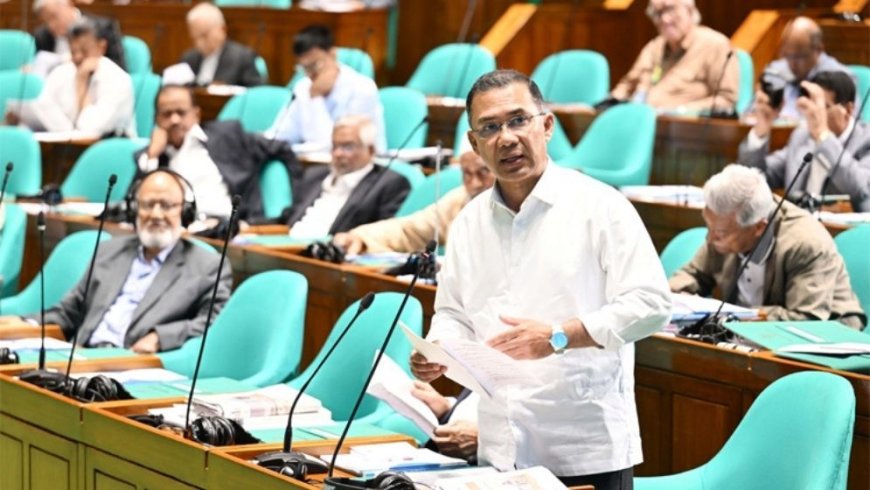
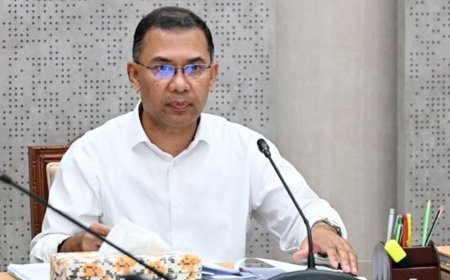
Prime Minister Tarique Rahman on Wednesday unveiled a 12-point plan in the Jatiya Sangsad (JS) to transform Dhaka into a clean and green city.
“Various initiatives are being implemented through Dhaka North and Dhaka South City Corporations under the Local Government Division to achieve this goal,” he said.
The Leader of the House made the remarks while responding to a starred question from Cumilla-9 lawmaker Md Abul Kalam during the morning session, chaired by Speaker Hafiz Uddin Ahmad, Bir Bikram.
As part of the plan, the prime minister said weekly public awareness programmes are being conducted to boost citizen engagement, alongside intensified cleanliness drives and mosquito control campaigns.
He noted that secondary transfer stations (waste disposal sites) are being modernised to ensure environmentally friendly waste management, incorporating landscaping, greening, and awareness-based graffiti.
Dhaka South City Corporation has also taken up a project, with investment from a South Korea-based private company, to transform the Matuail landfill into an integrated circular economy-based waste management and energy production centre aimed at achieving zero waste, he added.
Tarique Rahman said tree plantation programmes are being carried out in road medians, traffic islands and open spaces, while urban afforestation using the Miyawaki method is being implemented in various areas under Dhaka North City Corporation.
A target has been set to plant 500,000 trees in DNCC areas over the next five years. Trees will also be planted in vacant spaces along the metro rail line from Mirpur-12 to Mirpur DOHS and beneath the elevated expressway from Abdullahpur to Farmgate.
He said the Department of Environment (DoE) has prioritised pollution control in Dhaka as part of the clean and green initiative.
To tackle air pollution, the DoE and Dhaka Transport Coordination Authority (DTCA) are jointly working to introduce modern bus services, including 250 electric buses, he added.
With World Bank support, major pollution sources in the city have been identified, and mobile courts are regularly conducting drives against vehicles emitting black smoke, as well as construction activities and materials contributing to air pollution.
The prime minister also said steps are being taken to shut down illegal brick kilns around Dhaka, with regular enforcement drives underway.
Savar upazila has been declared a degraded airshed, where activities such as brick kilns and open waste burning have been banned to reduce pollution.
To prevent water pollution in surrounding rivers, canals and water bodies, effluent treatment plants (ETPs) have been made mandatory for industries, with 248 facilities already installing them. Cameras have been set up for real-time monitoring of liquid waste treatment.
The DoE has also identified pollution sources in the Buriganga, Shitalakkhya, Balu and Turag rivers, as well as 19 major canals in Dhaka.
To expand urban greenery, the Forest Department has partnered with Dhaka North and South City Corporations, the Water Development Board and the Roads and Highways Department through MoUs to implement plantation and ground-cover programmes along road medians, U-loops, ponds and canal banks.
Under these initiatives, 41,565 saplings of fruit, forest, medicinal and ornamental species have already been planted.
The prime minister added that various vines, shrubs and grasses are being used to cover exposed soil to reduce pollution, and further plantation drives are planned under a five-year programme to plant 250 million trees nationwide.
He expressed hope that these coordinated efforts will gradually turn Dhaka into a clean and green city.
What's Your Reaction?