

































The number of people killed in Iran’s protest crackdown has risen to 2,571
The number of people killed in Iran’s protest crackdown has risen to 2,571.

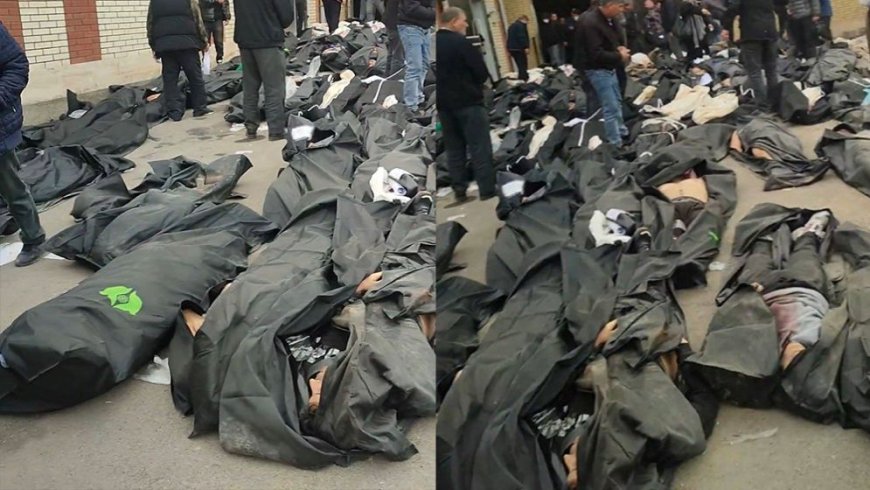
The death toll from Iran’s crackdown on nationwide protests has surged to at least 2,571, activists reported early Wednesday.
The figures were released by the U.S.-based Human Rights Activists News Agency, which has a track record of accuracy during previous waves of unrest in Iran. According to the group, 2,403 of those killed were protesters, while 147 were affiliated with the government. The dead also include 12 children and nine civilians who were not participating in demonstrations. More than 18,100 people have been detained, the group said.
Assessing the scale of the unrest from outside Iran has become increasingly difficult as authorities have shut down the internet. The Associated Press has been unable to independently verify the figures, and the Iranian government has not published any comprehensive casualty data.
The reported death toll far exceeds that of any other protest movement in Iran in recent decades and evokes memories of the turmoil surrounding the 1979 Islamic Revolution.
Iranians reach out, but the world remains cut off
Several residents in Tehran were able to contact the AP on Tuesday, though journalists based in Dubai were unable to return calls. Witnesses said text messaging remained unavailable, and internet access was limited to government-approved domestic websites, with no access to international platforms.
According to witnesses, anti-riot police were deployed across the capital, wearing helmets and body armor and carrying batons, shields, shotguns and tear gas launchers. Police guarded major intersections, while members of the Revolutionary Guard’s Basij militia—armed with firearms and batons—were seen nearby. Plainclothes security personnel were also visible in public areas.
Witnesses reported that several banks and government offices were set ablaze during the unrest. With the internet down, banks struggled to process transactions.
While shops were open, foot traffic in Tehran remained sparse. The Grand Bazaar, where protests erupted on Dec. 28 following the collapse of Iran’s rial, reopened Tuesday. Several shopkeepers said they were ordered by security forces to reopen, though state media did not acknowledge such instructions.
All witnesses spoke on condition of anonymity, citing fear of retaliation.
There were also reports that security forces were searching for Starlink satellite terminals, with residents in northern Tehran saying authorities raided apartment buildings with satellite dishes. Although satellite television dishes are illegal, enforcement has largely been lax in recent years.
On the streets, some residents were seen confronting plainclothes security officers who were randomly stopping pedestrians.
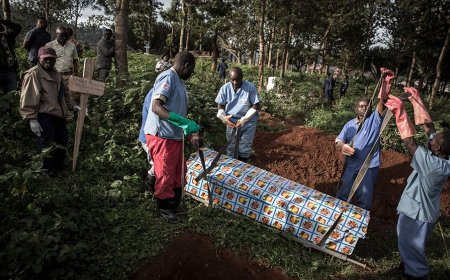
State television announced that mortuary and morgue services would be provided free of charge—a move widely seen as a sign that families may have been charged high fees to recover bodies amid the crackdown.
Supreme Leader Ayatollah Ali Khamenei, in a statement broadcast on state TV, praised tens of thousands of people who joined pro-government demonstrations nationwide on Monday.
“This was a warning to American politicians to stop their deceit and not rely on traitorous mercenaries,” Khamenei said. “The Iranian nation is strong, powerful and fully aware of the enemy.”
State television aired footage of large crowds chanting slogans such as “Death to America,” “Death to Israel,” and “Death to the enemies of God.” Iran’s attorney general has warned that participation in protests could result in charges of being an “enemy of God,” an offense punishable by death.
What's Your Reaction?