
































Donald Trump says Iran war may end within ‘two to three weeks’ as he prepares to address the US
Donald Trump says Iran war may end within ‘two to three weeks’ as he prepares to address the US.

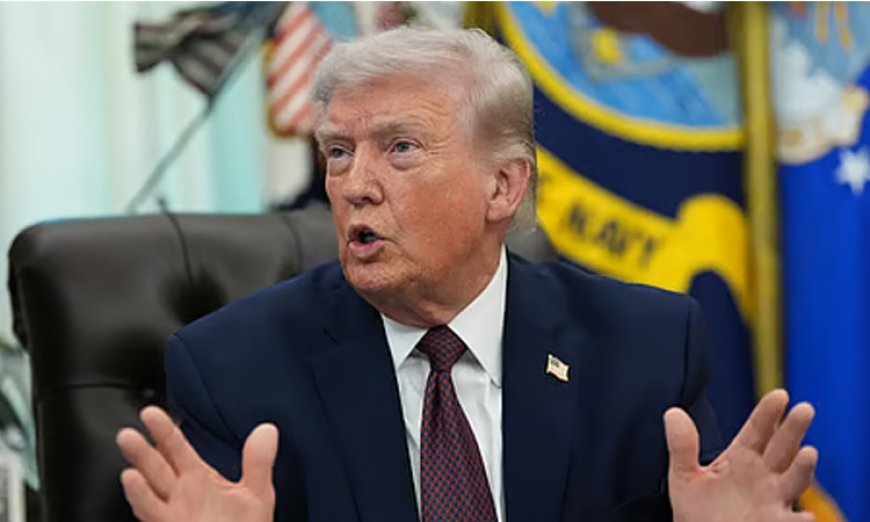
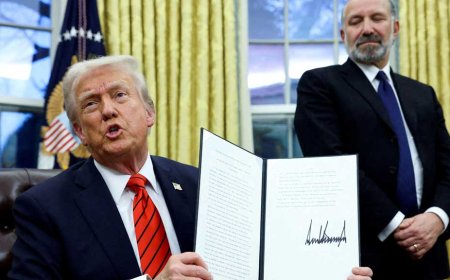
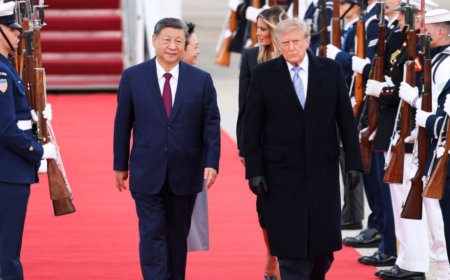
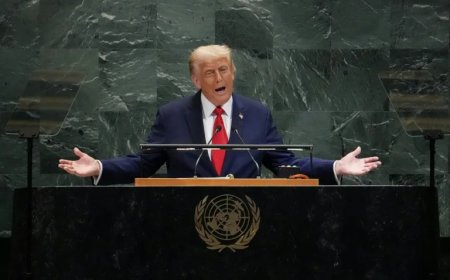
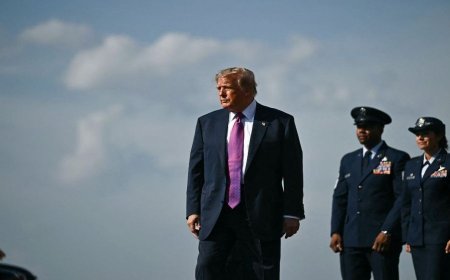
US President Donald Trump said on Tuesday that the war with Iran could end within two to three weeks, adding that responsibility for securing the vital Strait of Hormuz would fall to other nations.
The White House also announced that Trump will address the nation at 9:00 pm Wednesday (0100 GMT Thursday) to deliver an important update on Iran.
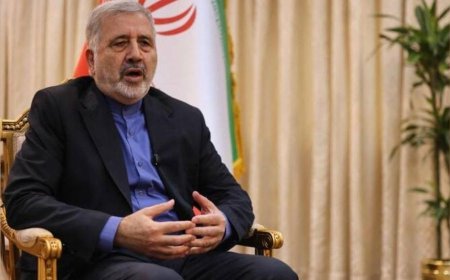
Elsewhere, Benjamin Netanyahu said the joint military campaign had “changed the face of the Middle East,” while Iranian President Masoud Pezeshkian stated that Tehran has the necessary determination to end the war, provided its adversaries guarantee it will not reignite.
In Lebanon, the health ministry reported that seven people were killed in Israeli strikes in south Beirut and nearby areas. The Israeli military said it had targeted a senior commander of Hezbollah.
Israel’s offensive against Iran-backed Hezbollah has killed more than 1,200 people in Lebanon and displaced over a million, according to official figures.
Financial markets reacted positively to hopes of a resolution. US stocks surged, while Brent crude fell 3.2 percent to $103.97 per barrel. Japan’s Nikkei rose more than three percent at the open on Wednesday, and South Korea’s Kospi jumped nearly five percent.
Speaking in the Oval Office, Trump said the United States could withdraw from the conflict “very soon,” possibly within “two weeks, maybe three,” while insisting that Washington would “finish the job.”
“We want to eliminate every capability they have,” he said, though he added that a deal could still be reached sooner.
Trump has previously shifted between signaling possible escalation—including the deployment of US ground forces—and pursuing a negotiated settlement with Tehran.
On the issue of the Strait of Hormuz, which has been blockaded by Iran and carries about one-fifth of the world’s oil supply, Trump said countries such as France and China would need to secure their own access.
“What happens with the strait, we’re not going to be involved,” he said.
In a post on Truth Social earlier Tuesday, Trump criticized NATO allies and others for not supporting US efforts, writing that the United States would no longer assist them. “Iran has been largely neutralized. The difficult part is over. Go get your own oil,” he added.
Netanyahu, speaking ahead of the Passover holiday, said Israeli forces would continue operations against Tehran, declaring that Israel had no choice but to act and had reshaped the region.
Washington has not disclosed who it is engaging with in Iran, which denies holding negotiations. Iranian Foreign Minister Abbas Araghchi said he continues to receive messages from US envoy Steve Witkoff but stressed that this does not amount to formal talks.
Iran’s Revolutionary Guards warned they could retaliate against major US technology firms—including Google, Meta, and Apple—if further Iranian leaders are assassinated.
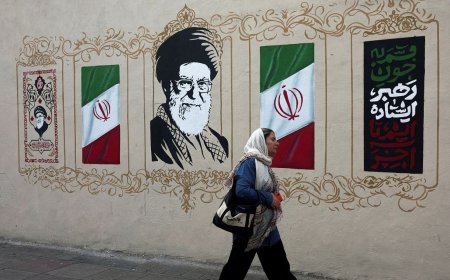
The conflict, launched on February 28 by Trump and Netanyahu, has triggered widespread regional retaliation following the killing of Iran’s supreme leader, Ayatollah Ali Khamenei.
The Revolutionary Guards accused multiple firms, including Intel, Tesla, and Palantir, of involvement in prior attacks and warned of “destruction” if further assassinations occur.
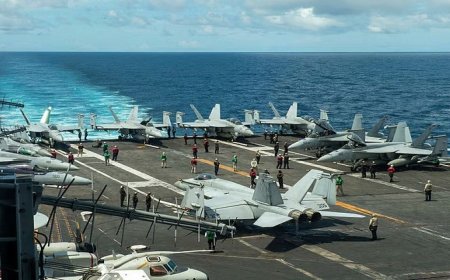
US Defense Secretary Pete Hegseth said after visiting American troops in the region that the coming days would be decisive, adding that Iran has limited military options remaining.
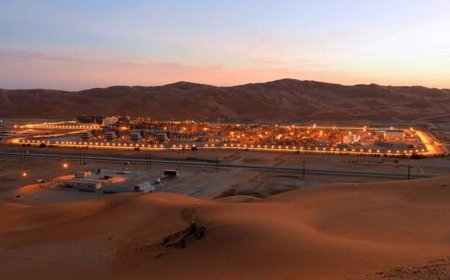
Trump also warned that if Tehran does not agree to a deal, US forces could target key infrastructure, including oil facilities, the Kharg Island export terminal, and possibly desalination plants.
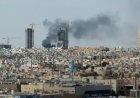
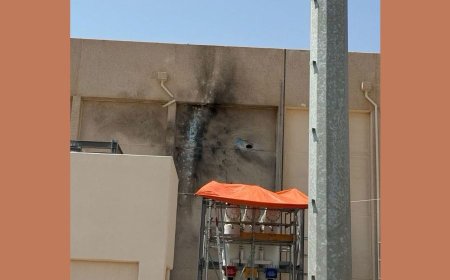
Heavy strikes were reported Tuesday in Isfahan and Tehran, with Iranian media saying steel complexes were hit. State outlets also reported damage to a religious site in Zanjan and a facility producing cancer medications, though these claims could not be independently verified.
Residents in Tehran described trying to maintain a sense of normalcy. “Even a few minutes at a café can make it feel like the world hasn’t collapsed,” said Fatemeh, a 27-year-old dental assistant, speaking via a messaging app. “But returning home brings back the reality of war, with all its darkness and weight.”
What's Your Reaction?