




















































War, displacement, bombings and the sound of air raid sirens have cast a shadow over Eid celebrations across the Middle East
War, displacement, bombings and the sound of air raid sirens have cast a shadow over Eid celebrations across the Middle East.

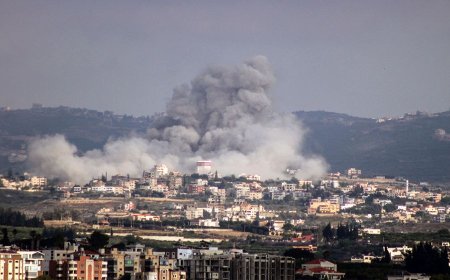
Aziza Ahmad has made no plans this year—no family feast, no gifts for her children. In Lebanon, battered by war and soaring living costs, she says there is “nothing to celebrate” this Eid al-Fitr marking the end of Ramadan.
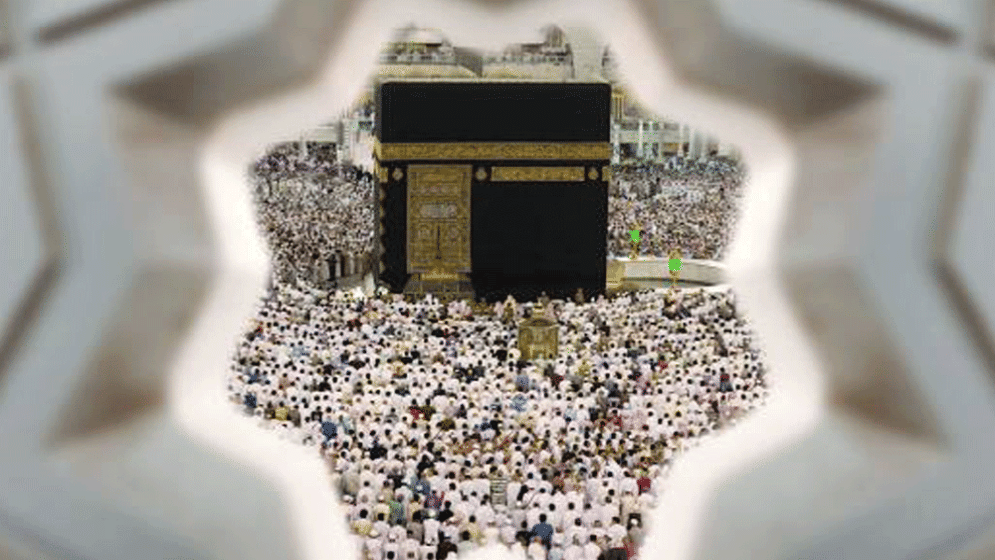
Across the Middle East—from Beirut to Dubai, Manama to Jerusalem—the holy month is ending on a somber note, as conflict overshadows what is usually a time of joy for millions of Muslims.
Ahmad, 49, lives with her husband and three sons in a cramped, dilapidated apartment now sheltering 12 people. “Maybe it’s different for the wealthy, but the joy of Eid is gone here,” she said. “We have no money, and the displaced can’t even return home.”
Even before the war, Lebanon had been grappling with a prolonged economic crisis, and prices have surged further in recent months. On the eve of Eid, Ahmad set up a small pastry stall outside her home to supplement her husband’s earnings as a car washer.
“We won’t eat any of it—everything is for sale,” she said, as the family worked together kneading dough and crushing pistachios in the building’s entrance.
Her 11-year-old daughter Yasmine said fear has replaced excitement. “We won’t even go out to play. Everyone is scared—there are strikes, so we stay home,” she said, a pink ribbon tied in her hair.
Elsewhere in the Gulf, anxiety over possible attacks has also dampened festivities. Once considered safe havens, several countries have come under retaliatory strikes, with nearly 30 people killed across the region since the conflict escalated.
Authorities in Kuwait have temporarily banned public events such as plays, concerts and weddings during Eid to avoid large gatherings. Shopkeepers say fewer customers are buying new clothes this year. Qatar has also suspended public events indefinitely.
In the United Arab Emirates, Eid prayers will be restricted to mosques, with outdoor gatherings prohibited for security reasons.
Juhi Yasmeen Khan, a long-time Dubai resident, said celebrations will be modest. “It doesn’t feel right to celebrate lavishly this year,” she said. “Many of us are choosing quiet gatherings at home, just to keep the spirit of Eid alive.”
For Palestinians in occupied East Jerusalem, the season feels especially incomplete. Restrictions have prevented access to key religious sites, leaving many feeling deprived. “There is pain in our hearts,” said Ihab, 30. “We are unable to pray at Al-Aqsa Mosque.”
The usually vibrant streets of the Old City—once filled with lanterns and festive lights—now stand subdued and largely deserted.
In Bahrain, daily life has been punctuated by sirens warning of potential missile and drone threats. Yet some families remain determined to observe Eid traditions, however quietly.
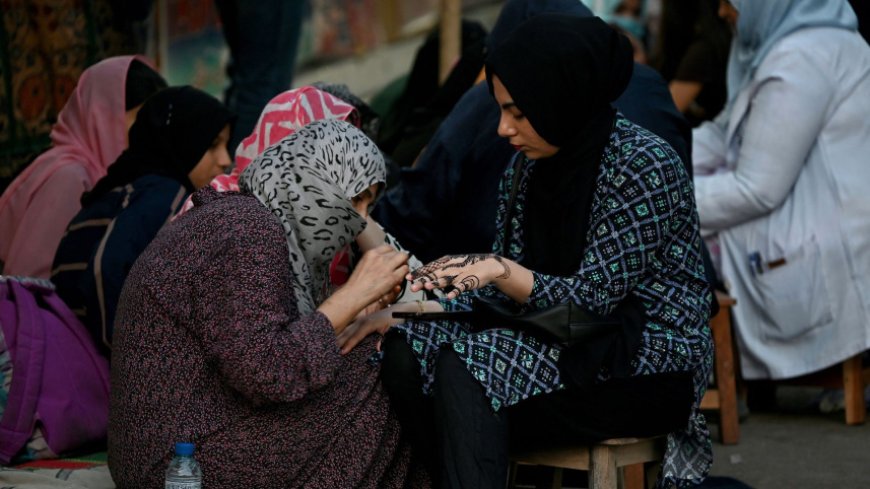
At a salon in Manama, five-year-old Sarah waited patiently for henna on her hands. Her mother, Maryam Abdullah, said the family would still prepare for the holiday. “This will pass,” she said. “We may celebrate at home, but we won’t let it take away the joy of Eid entirely.”
Others echoed that resolve. “We still went shopping,” said Hessa Ahmed, a Bahraini professional in her thirties. “We bought clothes and accessories and will celebrate with family and friends—just more simply this time.”
What's Your Reaction?