













































Bangladesh is seeking more than $2 billion in new funding to ease the ongoing fuel and LNG crisis
Bangladesh is seeking more than $2 billion in new funding to ease the ongoing fuel and LNG crisis.

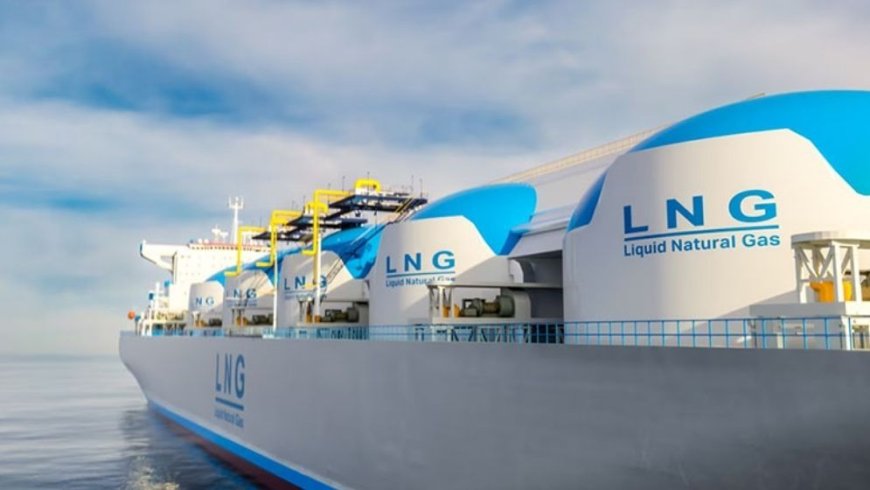
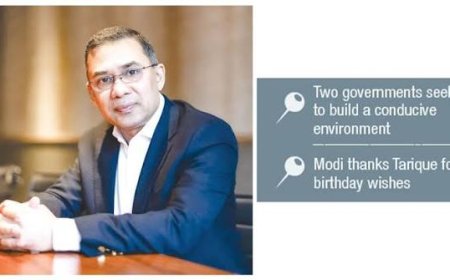
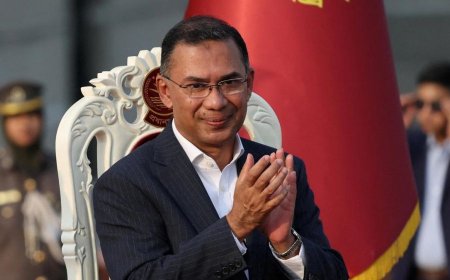
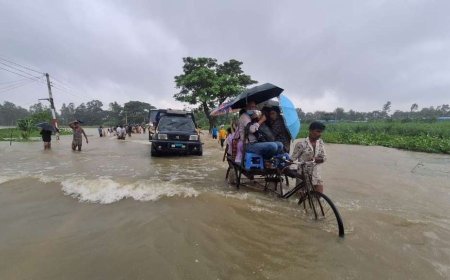
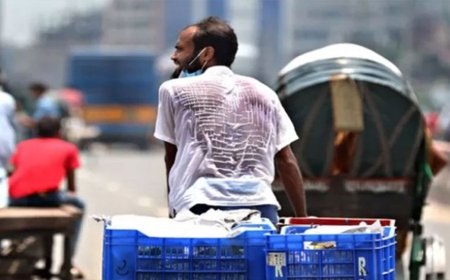
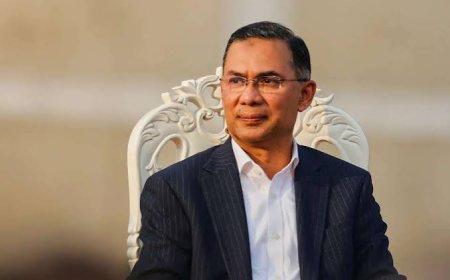
Bangladesh is pursuing billions of dollars in external financing to ensure steady imports of fuel and liquefied natural gas, as the new government under Prime Minister Tarique Rahman works to stabilise the economy amid a deteriorating global energy outlook driven by the Iran war.
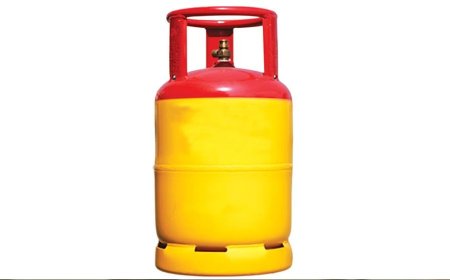
The country of 175 million depends on imports for around 95% of its energy needs, forcing state-run agencies to rely increasingly on volatile international markets. While the government has been rationing fuel, restrictions were partially eased for Eid-ul-Fitr.
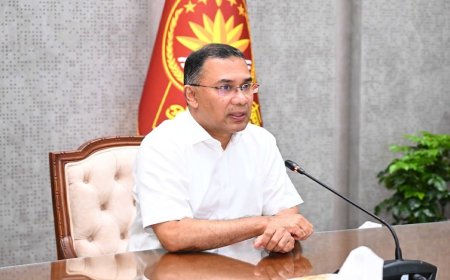
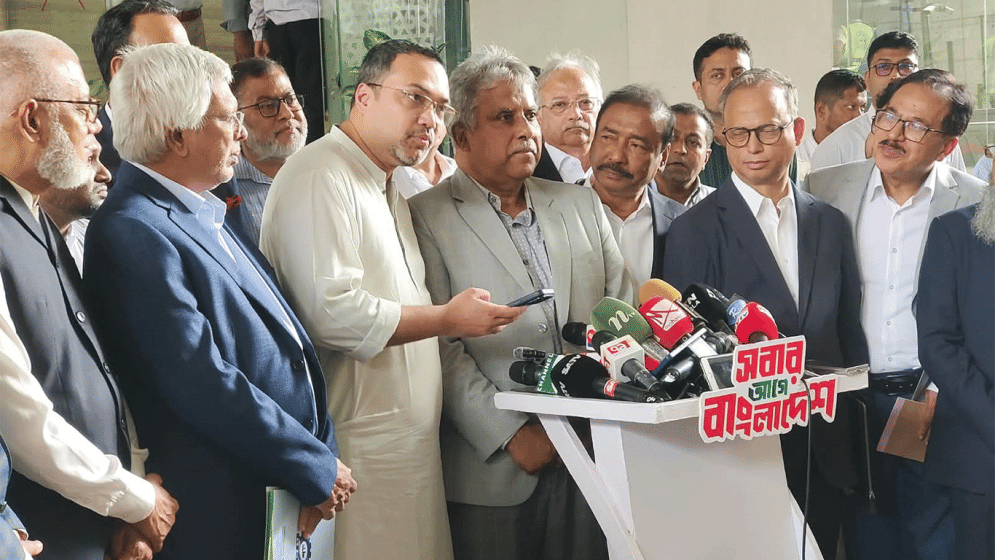
Rashed Al Mahmud Titumir, the prime minister’s adviser on finance and planning, said Dhaka is in discussions with major development partners — including the Asian Development Bank, the World Bank, the International Islamic Trade Finance Corporation and the Asian Infrastructure Investment Bank — to secure fresh funding.
He noted there were encouraging signs of support from multilateral lenders to help finance oil and energy imports, which could also boost economic growth. Titumir expects about $1.3 billion from the International Monetary Fund under an existing programme, along with an additional $250 million to $500 million, on top of roughly $500 million in budgetary support from the ADB.
An IMF team is currently visiting, and the government plans to request an early disbursement of funds within the current fiscal year rather than waiting until July.
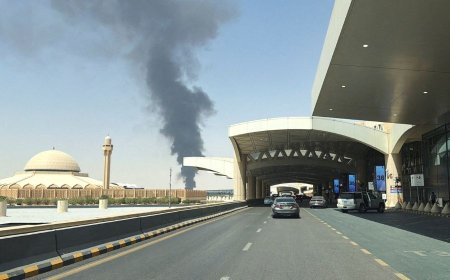
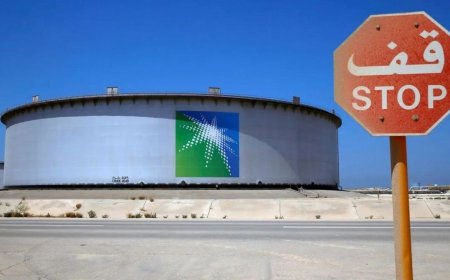
The urgency has intensified as escalating conflict in the Middle East disrupts energy markets, drives up prices and raises concerns over supply routes. Titumir stressed that financing for oil and energy must remain uninterrupted, adding that Bangladesh is working to diversify supply sources, including the United States, Southeast Asia, Nigeria and the Middle East.
Despite rising global costs, the government does not intend to increase fuel prices domestically. Instead, it plans to secure sufficient financing to avoid economic slowdown, relying primarily on multilateral support rather than private borrowing.
Fuel prices in Bangladesh are adjusted monthly under a government formula linked to global markets.
What's Your Reaction?