































US Pressure on Iran Intensifies as Sanctions and Blockade Take a Toll
US Pressure on Iran Intensifies as Sanctions and Blockade Take a Toll

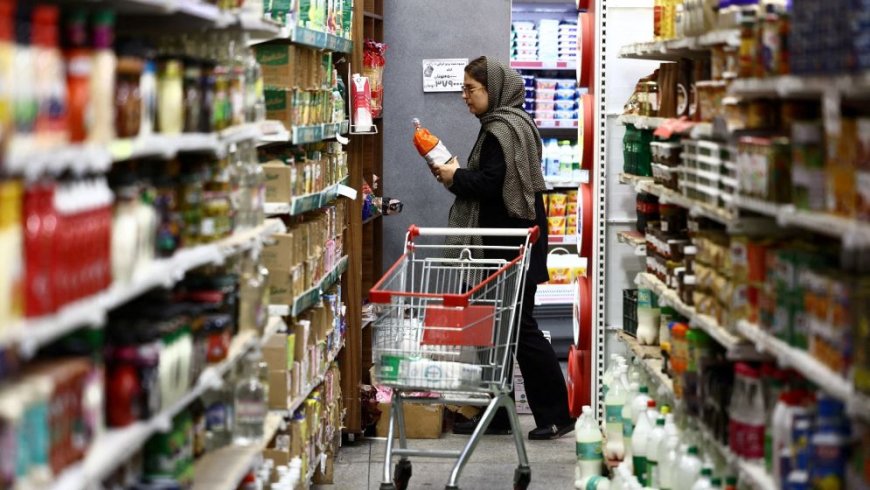
A US campaign aimed at squeezing Iran’s economy by blocking its oil exports and tightening measures against sanctions evasion is becoming increasingly difficult for Tehran to withstand, according to three senior Iranian sources.
Washington has intensified economic pressure on Iran in recent weeks, seeking to force concessions from Tehran in any future negotiations after six months of conflict failed to produce a breakthrough.
Iran’s clerical leadership has managed to circumvent sanctions for decades, but the latest US measures have put the country in a far more vulnerable position, leaving it with increasingly limited options for obtaining foreign currency and securing essential imports, the sources said.
The growing effort to prevent Iran from accessing international financial networks in countries it has long relied on to sustain its economy represents an immediate and serious threat, they added.
Any indication that the economic campaign could break the months-long stalemate in the conflict would likely be welcomed in Washington. But Tehran has warned that it could respond to mounting pressure with further military escalation, raising the stakes at a critical juncture.
Petrol stocks fall as currency plunges
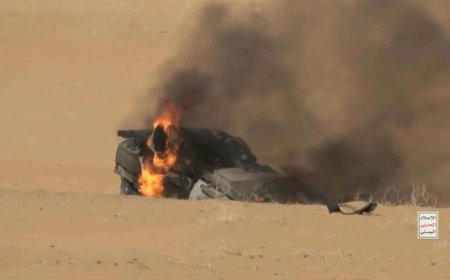
Fighting has resumed openly this week, with US strikes along Iran’s Gulf coast triggering retaliatory Iranian attacks on US bases in Arab countries.
Neither side has indicated that it is prepared to accept the concessions demanded by the other, leaving the conflict locked in a costly stalemate, although the situation may now be beginning to shift.
While energy shipments through the Strait of Hormuz have increased despite Iran’s efforts to disrupt the waterway, the US blockade of Iranian oil exports has effectively cut off Tehran’s primary source of revenue.
Iran was already facing a severe economic crisis before the conflict, marked by a collapsing currency and soaring inflation. Months of bombing have further increased the financial burden, leaving the government facing enormous costs to rebuild damaged industries and infrastructure.
At the same time, the worsening financial squeeze is making it harder for Tehran to circumvent sanctions, as the government has less money available to pay the substantial premiums needed to evade restrictions, the sources said.
The rial has fallen to record lows in recent days. One senior Iranian source said the country has only about two months of gasoline supplies remaining. Iran relies on fuel imports despite producing oil domestically because of limited refining capacity.
Iran’s leaders are increasingly concerned about the risks of an economic collapse and the possibility that it could reignite nationwide protests that authorities suppressed in January, reportedly killing thousands of demonstrators.
“They are under very, very severe economic pressure. They’re losing control of the Straits. It’s really a question of if they choose to negotiate and I think they’ll have to,” said Ali Ansari, a professor of modern history at the University of St Andrews in Scotland.
The conflict is also entering a new phase, with both sides seeking to influence the other’s domestic politics.
According to a senior Iranian official, Tehran hopes rising inflation will increase pressure on the US administration ahead of the November midterm elections, while Washington is seeking to encourage unrest inside Iran.
Blockade and secondary sanctions squeeze Tehran
The latest US measures have expanded secondary sanctions targeting countries that conduct business with Iran, with the aim of preventing Tehran from accessing the dollar transactions needed to sell oil and finance vital imports of goods and raw materials.
The measures are making Iran’s established sanctions-evasion networks — including front companies, unregistered tankers and smuggling operations — increasingly expensive to operate, the three senior Iranian sources said.
Iranian crude exports have dropped sharply this month to around 260,000 barrels per day, compared with approximately 1.7 million barrels a day a year earlier, according to commodity analytics firm Kpler. Only limited volumes are still leaving terminals, with some oil being transported by truck, rail or smaller vessels across the Caspian Sea.
Tehran says it still has tens of millions of barrels stored aboard tankers outside the blockade zone that could be sold. However, the new sanctions have prompted intermediaries to withdraw from deals or demand significantly higher fees, one Iranian official said.
Iranian President Masoud Pezeshkian has said total trade has declined by between 25% and 35%, with imports suffering a greater impact than exports. Several senior officials have warned in recent weeks that the country’s economic situation is deteriorating rapidly.
US pressure, combined with Iran’s own military actions, has also disrupted one of the country’s key trade routes through the United Arab Emirates. On August 19, the UAE announced that commercial exchanges and financial transactions with Tehran had been suspended until further notice.
“If those channels stay closed, a supplier wants cash, a deal is routed through another country and a shipment arrives later and dearer,” said an Iranian trader in Tehran who imports goods.
The rial has plunged from around 1 million to the US dollar a year ago to more than 2.2 million currently.
The economic impact has been severe. Official data shows 12-month average inflation has reached 69.9%, while prices for food, beverages and tobacco have increased at nearly twice that rate.
Official unemployment rose to 9.1% in the spring, while the number of employed people fell by roughly 450,000 from a year earlier, amid a broader decline in labour-force participation.
Even among those who remain employed, the average monthly salary of around $125 is far below estimated basic household expenses of approximately $450, according to official figures.
“We are getting poorer every day,” said Mahnaz, a 34-year-old private-sector employee in Tehran who requested that her family name be withheld.
What's Your Reaction?