










































UN Suspends Ship Escorts Through Hormuz After Vessel Is Attacked
UN Suspends Ship Escorts Through Hormuz After Vessel Is Attacked

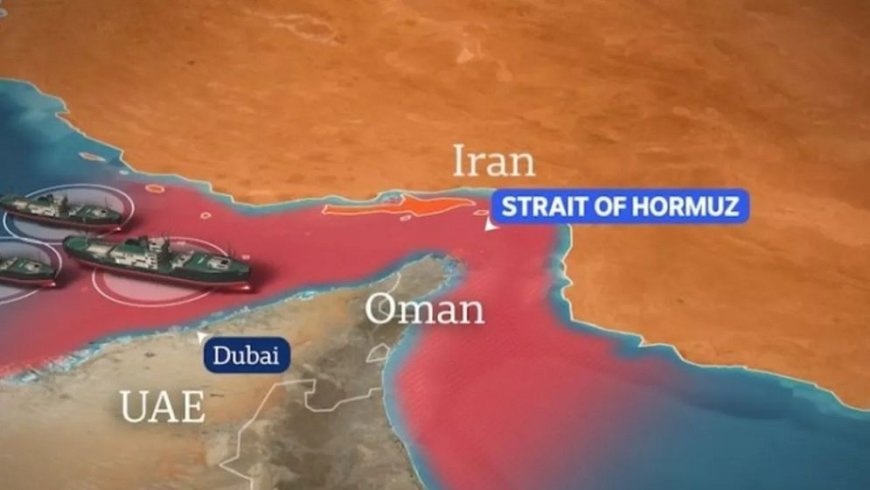
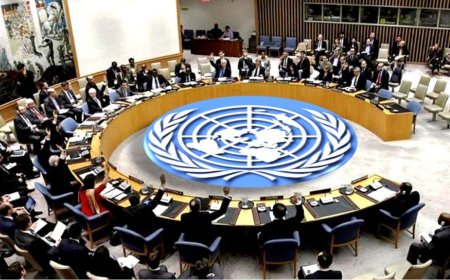
The UN's International Maritime Organization (IMO) has temporarily suspended its operation to escort ships through the Strait of Hormuz after a vessel came under attack on Thursday, raising fresh concerns over the durability of a preliminary agreement aimed at ending the Iran war.
Taiwan-based Evergreen Marine said on Friday that one of its vessels was struck by an "unknown object" near Oman while sailing along a route recommended by the UK Maritime Trade Operations (UKMTO). Earlier, UKMTO reported that a vessel had been hit by a projectile just hours after Tehran warned ships against using routes not approved by Iranian authorities.
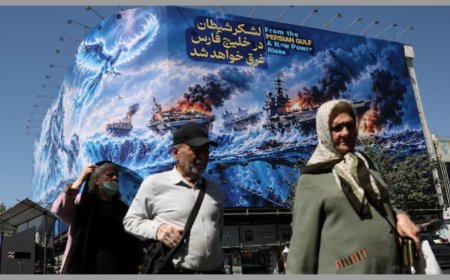
Two US officials told Reuters that Iran was responsible for the attack. Meanwhile, Iran's Persian Gulf Strait Authority, established to regulate vessel movements through the waterway, reiterated that ships travelling outside designated routes would not be guaranteed safe passage.
"Consequences arising from passage through unauthorized routes shall be the responsibility of the owner, operator, and vessel commander," the authority said.
Evergreen said its Singapore-flagged vessel, Ever Lovely, sustained damage on its starboard side, including broken bridge windows. However, the company confirmed that the crew, cargo and vessel remained safe and that the ship had successfully exited the Strait of Hormuz. A security source said the vessel was likely targeted by a drone.
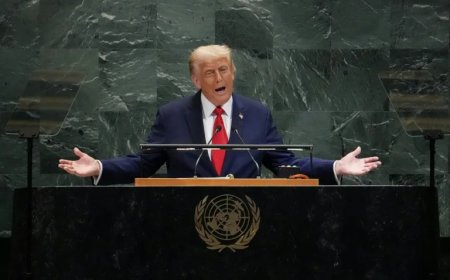
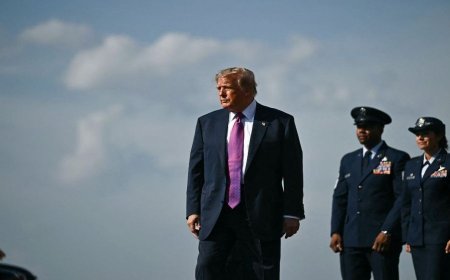
The US government did not immediately comment on the incident. Earlier this month, US President Donald Trump warned that Washington could resume military strikes against Iran if Tehran failed to honour an agreement intended to end the conflict and reopen the strategic waterway.
IMO pauses evacuation mission
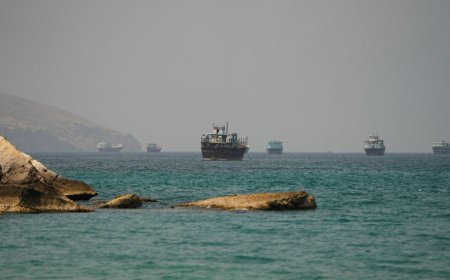
The IMO had been coordinating the safe passage of hundreds of stranded vessels and thousands of seafarers trapped in the Strait of Hormuz since the conflict erupted on 28 February.
In a statement, IMO Secretary-General Arsenio Dominguez said the organisation had decided "to temporarily pause its implementation in order to reconfirm that the necessary safety guarantees continue to be in place for the ships on our evacuation list and all those in the region."
The IMO clarified that the vessel involved in Thursday's suspected attack was not participating in its voluntary evacuation initiative, launched earlier this week. The programme offers ships two transit options—one through Iranian waters and another via Omani waters—with US oversight.
The latest incident is expected to renew concerns over Iran's control of the Strait of Hormuz, a vital shipping lane that handled roughly one-fifth of the world's daily oil and liquefied natural gas exports before the conflict.
Iran effectively assumed control of the waterway after the war began, disrupting global energy supplies and rattling oil markets. Although oil prices fell again on Friday as more stranded tankers resumed transit, the situation remains volatile.
South Korean President Lee Jae Myung said three South Korean vessels would leave the strait over the weekend, while the country's Oceans Ministry reported that eight additional South Korean ships had already exited.
Saudi oil exports resume
There were also indications that Gulf energy producers were moving to restore exports.
Shipping data from LSEG showed that Saudi Aramco resumed crude oil loading at its Ras Tanura terminal on Friday after an interruption of nearly four months.
According to the data, two Very Large Crude Carriers (VLCCs) operated by Saudi shipping company Bahri were loading crude at Ras Tanura—the world's largest oil export terminal—while a third tanker waited offshore. Each VLCC can carry approximately two million barrels of oil.
Saudi Aramco did not immediately respond to requests for comment outside business hours.
Tensions persist despite ceasefire framework
Before the latest attack, US Secretary of State Marco Rubio, speaking at the end of a Gulf tour aimed at reassuring regional partners about the interim ceasefire framework, warned that any Iranian attempt to threaten or block shipping in the Strait of Hormuz would create serious consequences.
Iran, however, has indicated it intends to maintain strict oversight of maritime traffic through the strait.
Iran's Revolutionary Guards said on Thursday that vessels must use routes designated by Tehran to ensure safe passage and warned that action would be taken against ships that failed to comply.
British maritime security firm Ambrey also reported that two Panama-flagged vessels were ordered by the Revolutionary Guards to alter their course on Thursday.
The conflict continues to cast a political shadow over President Trump ahead of November's congressional midterm elections. A Reuters/Ipsos poll found that only one in four Americans believes the war has been worth its cost.
Meanwhile, differing interpretations of the preliminary ceasefire framework have fuelled criticism of the Trump administration both domestically and internationally.
Key issues—including financial incentives for Iran, nuclear inspections, control of the Strait of Hormuz and Israel's parallel conflict in Lebanon—remain unresolved.
The framework provides for a 60-day negotiating period to address these contentious issues, including the future of Iran's nuclear programme.
What's Your Reaction?