





































Bangladesh among economies most exposed to US-Israeli war on Iran: ICCB
Bangladesh among economies most exposed to US-Israeli war on Iran: ICCB

Bangladesh among economies most exposed to US-Israeli war on Iran: ICCB
Bangladesh is among the economies most vulnerable to the ripple effects of the ongoing military conflict involving the United States, Israel and Iran, according to the latest News Bulletin (April-June 2026) of the International Chamber of Commerce-Bangladesh (ICCB), released on Monday.
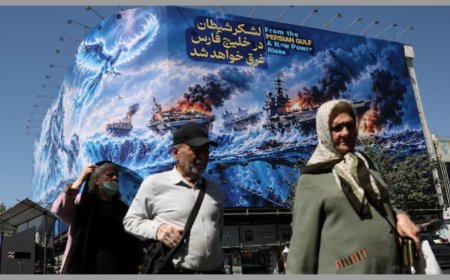
In its editorial, ICCB described the conflict as the worst global crisis since the pandemic, saying the US-Israeli war on Iran has evolved into one of the most serious geopolitical and economic crises in recent history, posing major threats to global peace, trade, energy security and food supplies.
What began as a military confrontation has now sent shockwaves through international markets, highlighting the vulnerabilities of an increasingly interconnected global economy. For the global business community, the consequences are expected to be far-reaching, ICCB said.
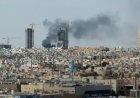
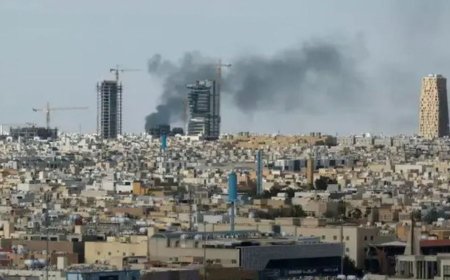
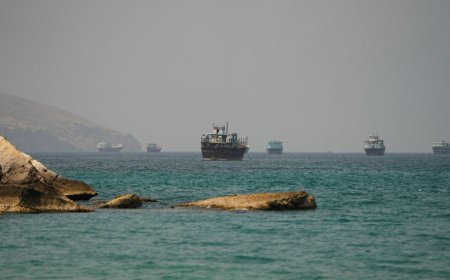
The conflict has disrupted critical energy infrastructure and raised concerns over shipping through the Strait of Hormuz, one of the world's key oil transit routes.
Soaring oil and gas prices have increased transportation and production costs worldwide, adding fresh inflationary pressure on both developed and developing economies.
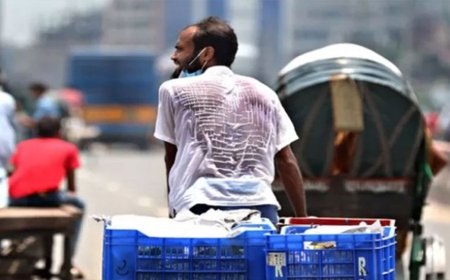
As a net importer of fuel, fertiliser and several essential commodities, Bangladesh is facing growing pressure from higher global energy prices, increased shipping and insurance costs, and disruptions to international supply chains, the editorial said.
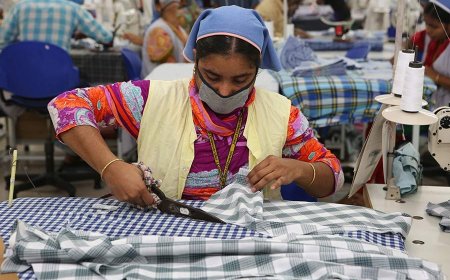
ICCB warned that these challenges could drive up inflation, widen the trade deficit and increase fiscal pressure through higher energy subsidies. Export-oriented industries, particularly the ready-made garment sector, could also face rising production costs.
Higher fertiliser prices may further affect agricultural productivity and push up food prices. At the same time, prolonged geopolitical uncertainty could discourage foreign investment and complicate Bangladesh's efforts to sustain economic growth, maintain macroeconomic stability and ensure a smooth graduation from the Least Developed Country (LDC) category.
The economic and humanitarian costs of a prolonged US-Iran conflict are also becoming increasingly severe.
Citing the United Nations Office for the Coordination of Humanitarian Affairs, ICCB said the war in Iran is consuming vast financial resources, estimated at around $2 billion a week, that could otherwise be used to support millions of vulnerable people worldwide.
International financial institutions have warned that prolonged hostilities could weaken global economic growth while driving inflation higher, the report noted.
For developing countries that rely heavily on imported energy and food, the conflict could widen fiscal deficits, increase debt burdens and delay progress toward sustainable development goals.
The ICCB editorial also cited a joint report by the International Chamber of Commerce (ICC) and Oxford Economics, which found that heightened economic policy uncertainty has imposed a significant cost on global business investment.
According to the analysis, the rise in economic policy uncertainty during 2025 reduced real business investment by 1.4% across 10 major economies, representing around $202 billion in lost or delayed capital spending.
In an adverse 2026 scenario, the investment cost could rise to $380 billion. Conversely, a return to greater policy clarity could generate an additional $252 billion in investment, resulting in a potential swing of more than $630 billion.
The findings underscore the importance of predictability and stability as major assets for the global economy, the ICCB said.
What's Your Reaction?