












































Iran Hits Back After Trump Declares Truce Over
Iran Hits Back After Trump Declares Truce Over


Iran said on Saturday it had "kept its word" under the ceasefire understanding with the United States, rejecting President Donald Trump's claim that the truce was over while confirming Washington had agreed to continue negotiations with Tehran.
The latest exchange underscored worsening tensions between the longtime rivals after days of cross-border strikes rattled the fragile agreement aimed at transforming a months-long ceasefire into a lasting peace, raising fears of renewed regional conflict.
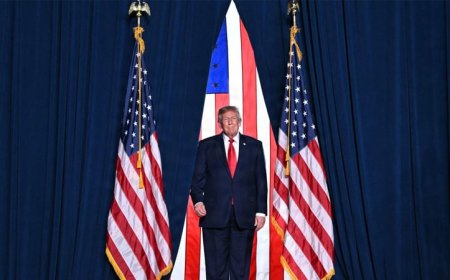
Trump escalated his rhetoric on Saturday, warning on his Truth Social platform that the United States would "completely decimate" Iran if it attempted or succeeded in assassinating him.
His comments came a day after he agreed to further negotiations with Tehran, despite reiterating that the ceasefire had ended only weeks after both sides signed a memorandum of understanding intended to advance peace efforts.
Although no direct US-Iran talks have taken place since last month, Iranian media reported that a Qatari delegation had arrived in Tehran as part of mediation efforts following the recent exchange of strikes.
"The Islamic Republic of Iran has asked us to continue 'talks.' We have agreed to do so, but the United States has stated to them, in no uncertain terms, that the Cease Fire is OVER!" Trump wrote on Truth Social.
Earlier this week, speaking at the NATO summit, Trump also dismissed the truce, saying, "It's just a waste of time dealing with them."
Iranian Foreign Minister Abbas Araghchi rejected Trump's claims, insisting Tehran had honored its commitments while accusing Washington of violating Paragraph 9 of the memorandum of understanding.
The provision commits Iran to maintaining the current status of its nuclear programme while the United States refrains from imposing new sanctions or deploying additional forces in the region pending a final agreement.
"That violation follows other violations and missteps by the United States. Reality check: There can only be mutual compliance," Araghchi said.
Since signing the memorandum, US and Iranian officials have held one round of direct talks in Switzerland and indirect negotiations in Qatar, but little progress has been reported.
Meanwhile, Axios and Politico reported that Washington had given Tehran until Saturday to stop targeting commercial vessels in the Strait of Hormuz and acknowledge that the strategic waterway remains open.
The Strait of Hormuz, through which a significant share of the world's oil shipments passes, remains a key flashpoint between the two countries.
Iran effectively shut the strait following the outbreak of war sparked by US-Israeli strikes in late February, arguing that it should control the waterway, which lies within Iranian and Omani territorial waters, and has proposed charging transit fees.
Under international law, however, neither Iran nor Oman can generally block passage or impose tolls on international shipping.
The United States launched major strikes against Iran this week following attacks on commercial vessels in the strait, prompting retaliatory attacks on US bases across the Gulf. Washington also revoked a temporary sanctions waiver that had allowed Iran to produce and export crude oil through August 21.
According to state news agency IRNA, Araghchi is due to travel to Oman on Saturday for discussions on the Strait of Hormuz.
Qatar has continued to back diplomatic efforts, while Iran's Tasnim news agency reported that a Qatari delegation was in Tehran to strengthen Doha's mediation role after Tuesday's incident involving an LNG tanker. Iran has denied accusations that it attacked the vessel.
Pakistan Prime Minister Shehbaz Sharif also continued mediation efforts, speaking separately with Qatar's emir and Iranian President Masoud Pezeshkian on Friday. Sharif urged Tehran to preserve the "hard-earned peace," according to a statement from his office and a post on X.
Despite ongoing diplomatic contacts, Iran's chief negotiator with Washington, Mohammad Bagher Ghalibaf, struck a firm tone.
"Ending the war is a priority for the countries of the world, but everyone must know that this confrontation will never end with Iran's surrender," he was quoted by the ISNA news agency as saying, adding that Iranians were "fully prepared to defend ourselves."
What's Your Reaction?