




































Trump Optimistic as US, Iran Continue Qatar Talks
Trump Optimistic as US, Iran Continue Qatar Talks

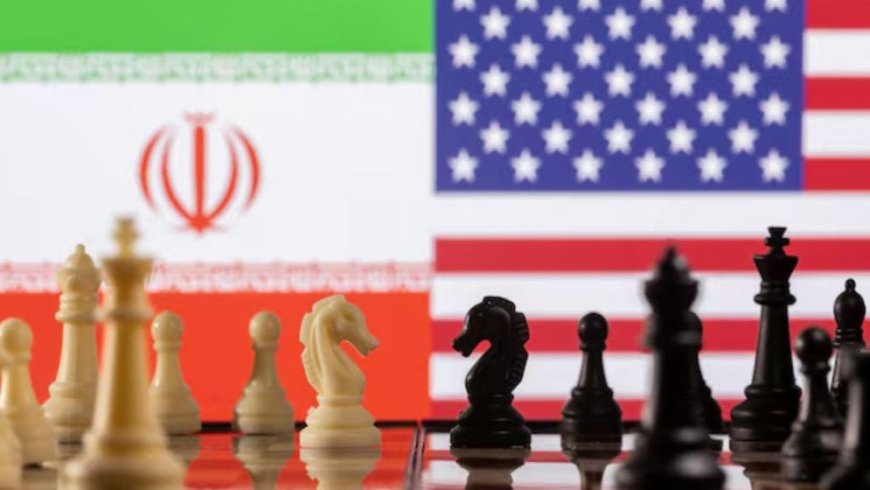
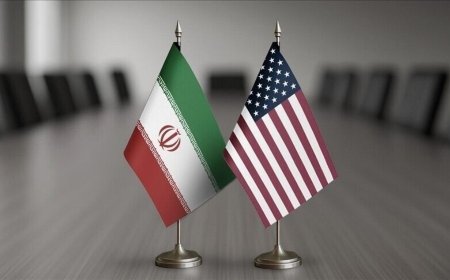
US President Donald Trump said on Wednesday that indirect talks between Washington and Tehran in Qatar were progressing, offering a cautious indication that diplomatic efforts remained alive despite recent military exchanges that threatened attempts to end the Middle East conflict.
Iran's Deputy Foreign Minister Kazem Gharibabadi, who headed Tehran's delegation, later announced that the discussions had concluded, with both sides agreeing to establish a communication channel by Thursday to monitor and document any breaches of their preliminary memorandum of understanding. Iran had maintained that no direct negotiations with the United States would take place in Doha over the agreement, which seeks to end the conflict triggered by US-Israeli strikes on Iran in late February.
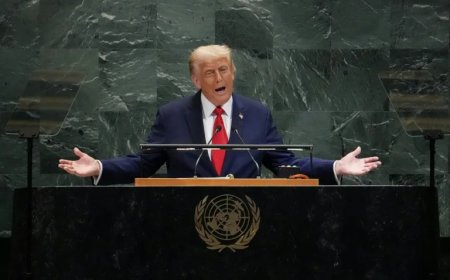
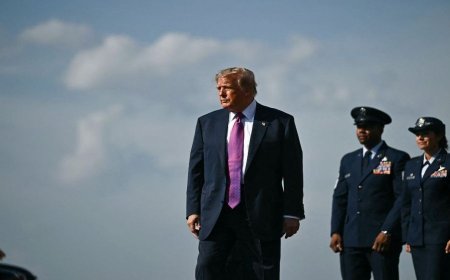
"As far as things are going, the denuclearization of Iran is moving along well," Trump told reporters before boarding Air Force One.
"We hit them very hard... but we're getting along very well," he added.
The memorandum of understanding, brokered by Qatar and Pakistan and signed during a summit in Lucerne, Switzerland, last month, outlines a 60-day ceasefire, the reopening of the Strait of Hormuz, and a roadmap toward a comprehensive agreement covering both the war and Iran's nuclear programme.
Communication mechanism agreed
The latest discussions in Qatar, held at the technical level and focused on implementing the memorandum, were intended to "build on the progress made at the Lake Lucerne Summit," a diplomat told AFP on condition of anonymity.
Earlier, Iran dismissed Trump's suggestion that the negotiations would be direct. Foreign ministry spokesman Esmaeil Baqaei said Tehran had "no plans for negotiations with the American side at any level over the coming days."
Gharibabadi said the talks also addressed the issue of frozen Iranian assets, the release of which Tehran has long demanded as part of any broader settlement.
According to him, officials reviewed the use of an initial $6 billion in funds and agreed that essential goods required by Iran would be procured and made available.
A diplomat said US envoys Jared Kushner and Steve Witkoff did not participate in the technical negotiations after holding talks with Qatar's Prime Minister Sheikh Mohammed bin Abdulrahman Al Thani on Tuesday.
Qatar's foreign ministry said the meeting covered the US-Iran negotiations as well as developments in Lebanon.
On Wednesday, Qatar's emir's office said Kushner and Witkoff also met Emir Sheikh Tamim bin Hamad Al Thani.
Anna Jacobs, a non-resident fellow at the Arab Gulf States Institute, said the negotiations remained in their early stages and that disagreements were unfolding both behind closed doors and in public.
"The overall positive message is that they are continuing to engage after the clashes last week," she told AFP.
Ceasefire under pressure
Despite the agreement reached last month, Washington and Tehran have exchanged military strikes in the Gulf, highlighting the challenges of translating the ceasefire into a durable peace.
Iran targeted a commercial vessel it said had deviated from its authorised route through the Strait of Hormuz, prompting US Central Command to announce strikes on 10 Iranian military targets.
Iran subsequently launched attacks on US bases in Kuwait and Bahrain, drawing criticism from both Gulf states.
Iran's chief negotiator Mohammad Bagher Ghalibaf said on Tuesday that implementation difficulties were to be expected after a conflict of such scale.
"When a war of this magnitude comes to an end... it is inevitable that there will be implementation challenges, incidents and differences of opinion, especially where parties such as the Israeli regime are concerned," he said.
He added that Iran's delegation in Doha would prioritise implementing provisions related to the Strait of Hormuz and the conflict in Lebanon.
Military tensions appeared to ease in the run-up to the Qatar talks, with oil prices declining as markets responded positively to continued diplomatic engagement between the United States and Iran.
Meanwhile, hostilities between Israel and Hezbollah in Lebanon have also remained relatively subdued.
The Iran-backed Hezbollah movement entered the broader regional conflict in March by launching rockets into Israel, prompting Israeli airstrikes and a ground offensive.
Tehran has insisted that any final settlement must also include an end to the fighting in Lebanon and the withdrawal of Israeli forces from southern Lebanese territory they continue to occupy.
What's Your Reaction?