



















US Imposes 10% Tariffs on Bangladesh, Dozens of Other Trading Partners
US Imposes 10% Tariffs on Bangladesh, Dozens of Other Trading Partners

US Imposes New Tariffs on Bangladesh, 59 Other Trading Partners Over Forced Labour Concerns
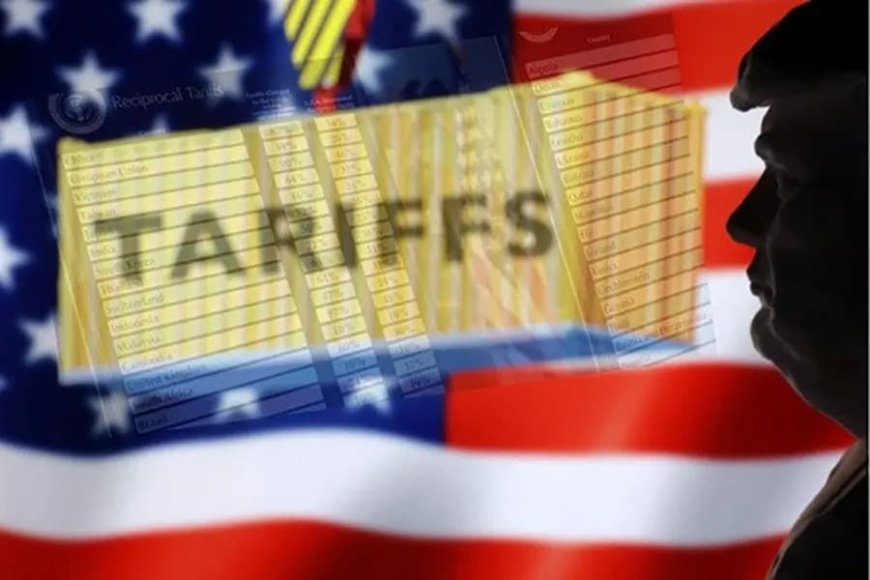
The United States has imposed new tariffs on imports from 60 trading partners, including Bangladesh, alleging they have failed to adequately prevent goods produced with forced labour from entering global supply chains. The new duties, ranging from 10 per cent to 12.5 per cent, took effect on Friday after a temporary 10 per cent tariff introduced earlier this year expired.
The measures affect countries accounting for 99.4 per cent of US imports, including major economies such as the United Kingdom, China, the European Union, Canada, Japan and India, according to the BBC.
The latest move marks another escalation in President Donald Trump's trade agenda since his return to office last year. Earlier this year, the US Supreme Court ruled that many tariffs imposed under emergency powers had been enacted unlawfully, prompting the administration to pursue alternative legal mechanisms to maintain its tariff policy.
Last month, the White House proposed the new tariff structure, citing concerns that many trading partners had failed to effectively prohibit imports made with forced labour. On Thursday, US Trade Representative Jamieson Greer announced that the duties would now be implemented under President Trump's directive.
"Today's action will begin to correct what is both a human rights abuse and a distortive trade practice to improve the welfare of workers everywhere," Greer said in a statement.
The tariffs were imposed under Section 301 of the Trade Act of 1974, which authorises action against unfair foreign trade practices. Earlier this week, the administration also invoked Section 338 of the Tariff Act of 1930 to impose 50 per cent tariffs on selected Canadian products.
According to the Office of the US Trade Representative (USTR), the tariffs target countries that have failed to effectively ban imports produced through forced labour. Countries that have adopted and enforce such bans under reciprocal trade agreements will face a 10 per cent tariff, while those that have not will be subject to the higher 12.5 per cent rate.
The USTR said 10 trading partners have already committed to implementing effective bans on forced labour imports, while several others have introduced similar restrictions in response to recent US investigations.
Greer welcomed the commitments made by some countries, saying he looked forward to ensuring those measures are properly enforced.
Trade analysts said the new tariffs demonstrate the Trump administration's determination to continue its protectionist trade strategy. Deborah Elms of the Hinrich Foundation said it would be difficult for many countries to prove they have sufficient safeguards against forced labour imports.
Wendy Cutler of the Asia Society Policy Institute said the tariffs are likely to increase costs for businesses and consumers, although exemptions for certain goods may soften the overall impact. She added that many affected countries may seek to reduce their dependence on the US market by strengthening trade ties elsewhere.
Several countries criticised the US decision. Brazil described the tariffs as "unjustified" and "arbitrary", accusing Washington of using labour rights as a pretext for protectionism. The Brazilian government said it would consider reciprocal measures and expand trade with other partners.
Japan also expressed regret over the tariffs, insisting its trade practices comply with international rules. Australian Trade Minister Don Farrell called the measures "completely unjustified" and vowed to continue urging Washington to remove the duties.
China rejected the US allegations, with Foreign Ministry spokesperson Mao Ning saying there is "no so-called forced labour in China" and accusing Washington of politicising the issue. However, several international human rights organisations have reported the existence of forced labour involving Muslim minority groups in China's Xinjiang region.
Trump has consistently argued that tariffs protect American workers and strengthen the US economy. Since returning to office, his administration has introduced a series of import duties, including country-specific tariffs on Brazil and Canada, while maintaining a temporary pause in the tariff dispute with China.
The administration is also investigating 16 countries over alleged manufacturing overcapacity, signalling that additional tariffs could be introduced in the coming months.
What's Your Reaction?