











































Prime Minister said that Ziaur Rahman was a key figure in the Liberation War
Prime Minister said that Ziaur Rahman was a key figure in the Liberation War.

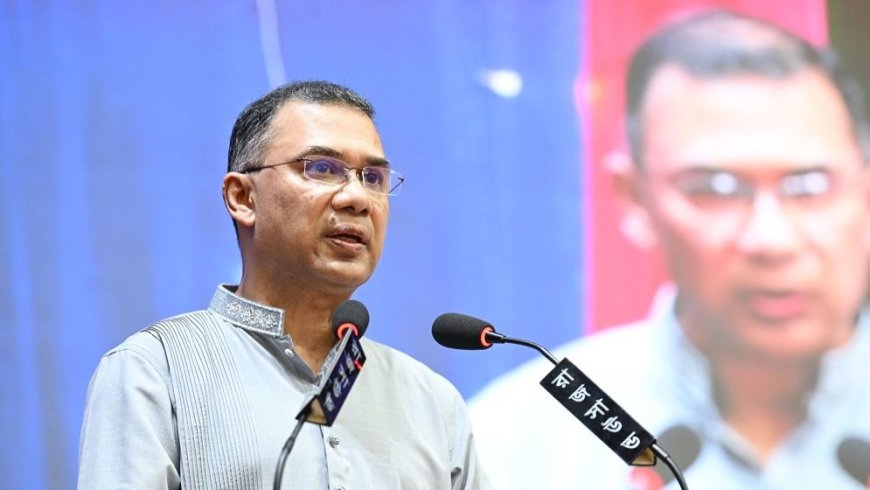
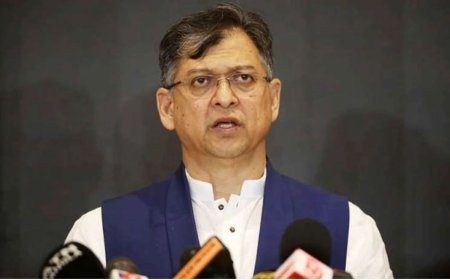
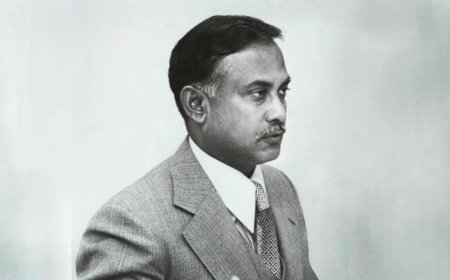
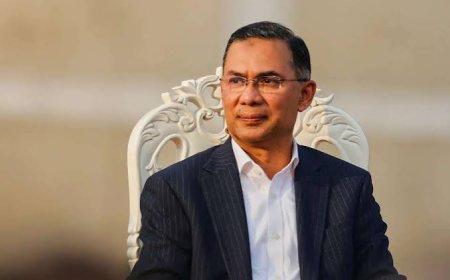
Addressing the younger generation on Friday, Prime Minister Tarique Rahman said that Shaheed President Ziaur Rahman—his father—was one of the key figures in Bangladesh’s independence movement and the Liberation War.
He also cautioned that research and commentary on the 1971 war should not distort or diminish its history, suggesting that past efforts to downplay Ziaur Rahman’s role were unjustified.
The prime minister made these remarks at a discussion on the Liberation War organised by the ruling BNP at the Institution of Engineers, Bangladesh (IEB) auditorium. The session was presided over by BNP Secretary General and LGRD and Cooperatives Minister Mirza Fakhrul Islam Alamgir.
Tarique Rahman said an article written by Ziaur Rahman on the first Independence Day serves as important evidence supporting his role as a proclaimer of independence. He added that the piece could help resolve long-standing debates over who first declared independence from Pakistan and clarify questions about Zia’s wartime contributions.
The article, published in the government daily Dainik Bangla on March 26, 1972, drew no objections at the time, when many direct witnesses of the war were still alive—something Tarique said underscores its credibility.
He also addressed criticism over how a military officer could declare independence without a direct background in political activism, arguing that Ziaur Rahman’s declaration was not sudden. Though he was not initially involved in politics, Tarique said, Zia had long envisioned an independent Bangladesh—a view reflected in his article “Birth of a Nation.”
Quoting from the piece, he said: “It was then 2:15am, March 26, 1971—a day etched in the Bangalee’s heart in blood. The people of Bangladesh will remember this day forever. They will never forget it.” He noted that the article clearly conveys Ziaur Rahman’s thoughts at the time.
The prime minister added that the same article was republished in 1974 by Weekly Bichitra, a sister publication, and again drew no objections—because those who lived through that period knew the account to be accurate.
What's Your Reaction?