



































































ADB cautions that remittance inflows to Bangladesh may slow down
ADB cautions that remittance inflows to Bangladesh may slow down

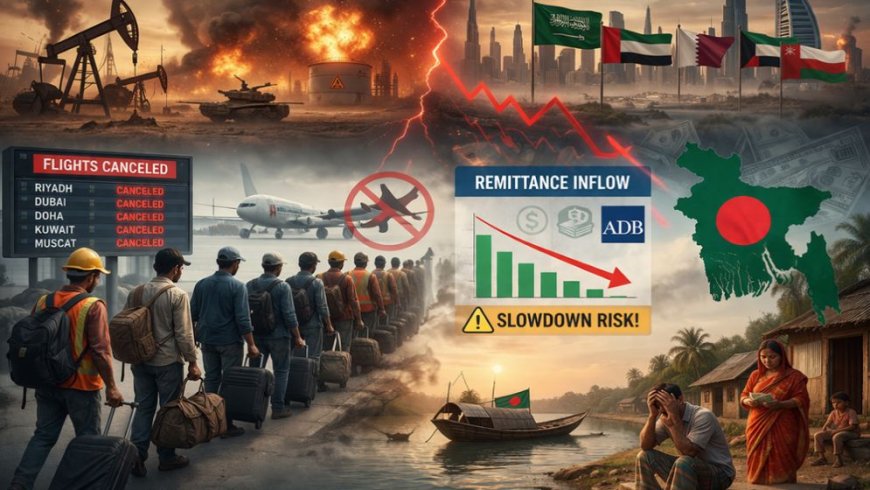
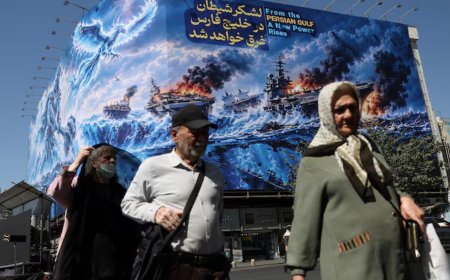
The ongoing conflict in the Middle East has sparked new concerns for Bangladesh’s economy. As a country heavily reliant on income from expatriates, there are growing fears that remittance inflows could slow. This concern has been highlighted in a recent report by the Asian Development Bank (ADB).
According to the report, a prolonged conflict could weaken labor market demand in the region, reducing earnings for migrant workers and, in turn, lowering remittance flows. South Asian countries, including Bangladesh, are particularly vulnerable, as a large share of their workforce is employed in the Middle East.
The issue is especially significant for Bangladesh, where nearly half of its roughly $30 billion in annual remittances originates from the Middle East. Bangladeshi workers in countries such as Saudi Arabia, the United Arab Emirates, Qatar, Oman, and Kuwait play a major role in generating this income. Any instability in these countries could therefore directly affect Bangladesh’s foreign currency inflows.
Signs of impact are already emerging. Recent tensions have led to widespread flight cancellations to the Middle East, disrupting both the deployment of new workers and the mobility of those already employed. This has added uncertainty to the overseas labor market.
ADB analysis suggests that if the conflict persists, economic growth in developing Asia could drop by as much as 1.3 percentage points during 2026–27. At the same time, volatility in global energy markets could push inflation up by more than 3 percent.
Experts emphasize that remittances are not only a key source of foreign exchange but also a vital driver of the rural economy. Funds sent by migrant workers support millions of households and sustain domestic demand. A decline in these inflows could therefore weaken consumption across the country.
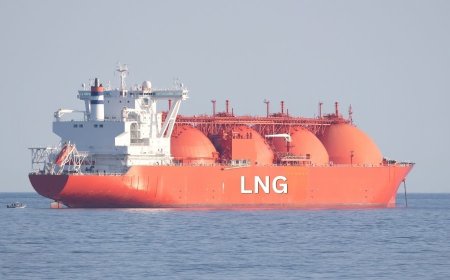
Rising fuel prices present an additional challenge. Bangladesh’s heavy dependence on imported energy means that any increase in global prices quickly translates into higher production and transportation costs, further fueling inflation.
However, the ADB notes that if the conflict proves short-lived, the situation could gradually stabilize. A more stable energy market may help ease inflationary pressures by 2027.
Overall, the Middle East conflict is more than a distant geopolitical issue for Bangladesh—it carries significant economic risks. A slowdown in remittance inflows could strain foreign exchange reserves, increase import costs, and undermine overall economic stability.
What's Your Reaction?