































































China supplying materials for Iran’s ballistic missile programme: The Telegraph
Sanctioned vessels transporting enough chemicals to manufacture hundreds of projectiles are sailing from Chinese ports to Iranian ports.

Ships suspected of transporting Chinese-sourced chemicals used in missile fuel have reached Iran, fuelling concerns about Beijing’s potential backing of the regime.
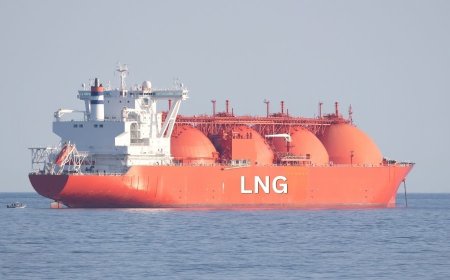
An analysis of shipping data by The Telegraph shows that four sanctioned vessels flying the Iranian flag have docked at Iranian ports since the outbreak of the war, while a fifth was waiting offshore near Iranian waters, according to maritime tracking service MarineTraffic.
The vessels are believed to be carrying sodium perchlorate, a key precursor for producing solid-fuel missile propellants. They departed from Gaolan port in Zhuhai, home to some of China’s largest liquid chemical storage facilities.
Experts reviewing the findings suggest the shipments could contain enough sodium perchlorate to manufacture hundreds of ballistic missiles. However, it remains uncertain whether Iran retains the capacity to produce new weapons following weeks of sustained bombing by the United States and Israel.
Miad Maleki, a former US Treasury official specialising in Middle East sanctions, said the shipments indicate Iran is urgently attempting to replenish its stockpile of rocket and missile fuel amid ongoing conflict.
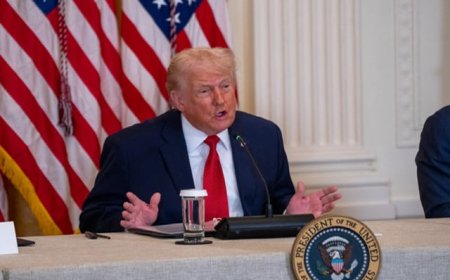
US intelligence officials, cited by CNN, assess that up to half of Iran’s missile launchers remain operational, despite claims to the contrary by Donald Trump and Israeli authorities.
All five vessels identified are linked to the state-owned Islamic Republic of Iran Shipping Line Group (IRISL), which is under sanctions from the US, UK, EU and others. According to Maleki, such sanctioned ships have previously been used on similar routes from Gaolan port, and are unlikely to be deployed for humanitarian purposes.
The vessels — Hamouna, Barzin, Shabdis and Rayen — have all arrived since March 22 after roughly three weeks at sea, while a fifth, Zardis, is nearing port. One ship, Hamouna, previously known as Canreach, had departed in February and spent weeks at sea before docking in Bandar Abbas, likely delayed by the conflict.
Earlier in 2025, two sanctioned IRISL vessels, Golban and Jairan, carried enough sodium perchlorate to produce between 102 and 157 missiles, according to arms control expert Professor Jeffrey Lewis. The ships tracked in this case are significantly larger, suggesting Iran may have imported materials sufficient for hundreds more missiles — potentially up to 785 based on estimates.
This could allow Iran to sustain missile launches for weeks, although continued strikes by US and Israeli forces may have damaged production facilities. Still, experts say ongoing shipments indicate that some manufacturing capability likely remains.
There are also concerns that additional shipments may have gone undetected, as vessels can disable tracking systems or falsify destination data. Some ships in the analysis reportedly listed false destinations such as Vietnam, despite ending up in Iran.
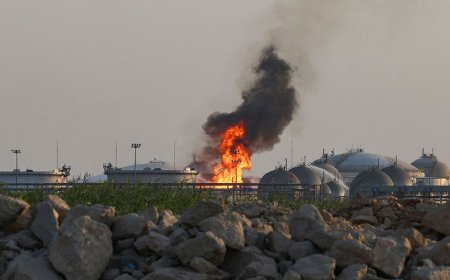
Most of the vessels docked at Bandar Abbas, with one arriving in Chabahar. The port of Bandar Abbas was also the site of a deadly explosion in April 2025, reportedly linked to sodium perchlorate, which is used to produce solid missile propellant.
Following that incident, the US imposed fresh sanctions on entities in Iran and China tied to the procurement of missile fuel ingredients.
Analysts note that China appears to be maintaining a steady flow of such materials, framing them as commercial goods rather than direct weapons shipments, allowing plausible deniability while still supporting Iran’s capabilities.
However, this approach carries geopolitical risks, particularly as China balances its regional interests in the Gulf amid escalating tensions.
Experts warn that Western powers currently lack the capacity to effectively intercept such shipments at scale, highlighting a broader strategic challenge in controlling the flow of dual-use materials globally.
What's Your Reaction?