









































Rising tensions threaten Middle East labour market
If the war drags on, many countries may shut their doors, compelling thousands of workers to return home.

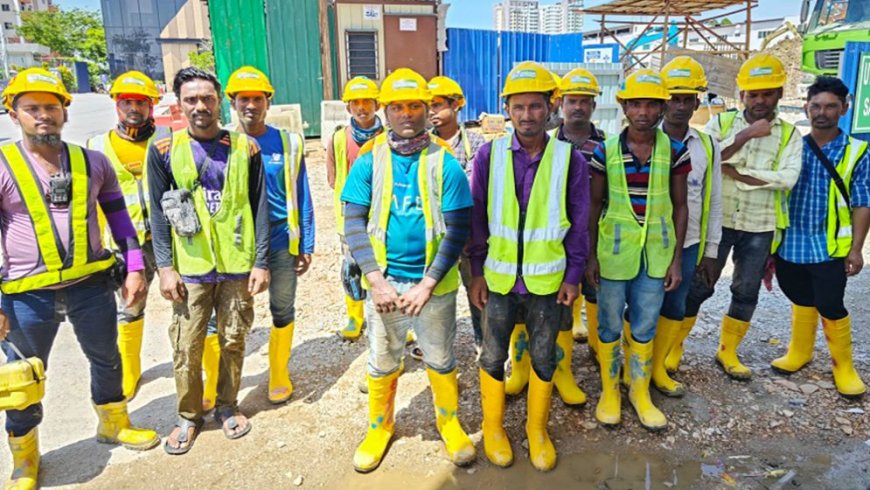
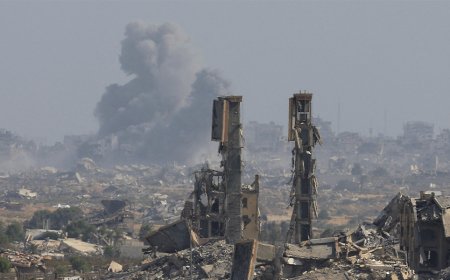
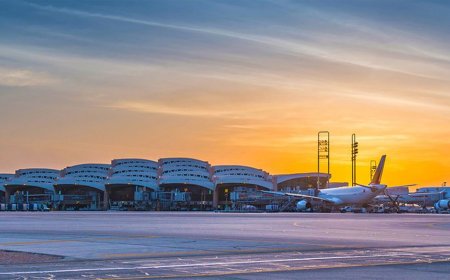
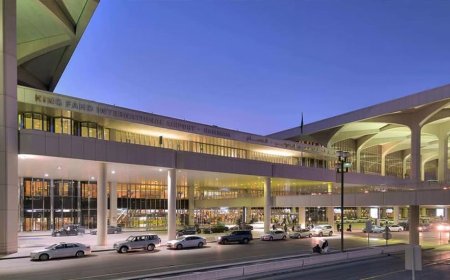
Bangladeshi workers employed across the Middle East are living in fear, panic and uncertainty as the conflict involving Iran, Israel and the United States continues to escalate. Several casualties have already been reported in the region. Many construction companies have suspended ongoing projects, while Dubai International Airport has reportedly been targeted by multiple attacks, raising concerns about when normal operations will resume.
As a result, Bangladeshi expatriates across the region are facing deep uncertainty, sparking fresh worries about the future of Bangladesh’s labour market in the Middle East. If the conflict persists for a prolonged period, many countries may close their doors to migrant workers.
Experts say Bangladesh’s labour market in the Middle East has yet to fully recover from the shock of the COVID-19 pandemic. Even during the 18 months under the interim administration led by Dr. Muhammad Yunus following the fall of the previous regime, the sector saw little improvement. In fact, diplomatic relations with several countries in the region deteriorated further, negatively affecting Bangladesh’s overseas employment prospects. There had been renewed hope after the newly elected government assumed office following the February 12 election. However, the ongoing conflict involving Iran, Israel and the United States has overshadowed those expectations.
The war has directly affected several Middle Eastern countries, including Saudi Arabia, the United Arab Emirates, Iraq, Libya, Qatar and Kuwait, leading to widespread disruptions. Analysts warn that if the conflict drags on, many countries may suspend recruitment of foreign workers, forcing a large number of Bangladeshi migrants to return home. Such a development could deal a serious blow to Bangladesh’s economy.
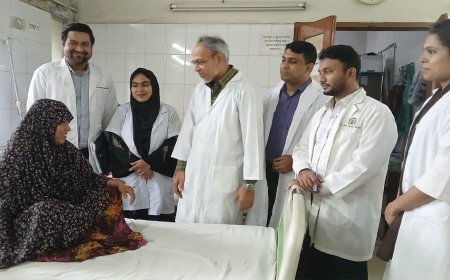
Nawrin Mehjabeen Diti, a Bangladeshi dentist working at a private healthcare centre in Dubai, said expatriates are living in constant fear. “We are terrified that a missile or drone could strike at any moment,” she said, adding that she has been unable to go to work for the past two days and no one knows when normal life will resume.
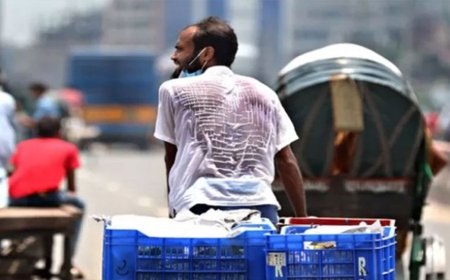
Remittances sent by migrant workers remain one of the key pillars of Bangladesh’s economy. More than 10 million Bangladeshi expatriates currently contribute to the country’s economic stability through their earnings. However, the escalating military confrontation involving Iran, Israel and the United States has put that stability at significant risk.
Amid rising tensions, several Middle Eastern countries, including the United Arab Emirates, Qatar, Kuwait and Bahrain, have temporarily closed their airspace. As a result, regular flights from Bangladesh have been suspended. Thousands of expatriates who had returned home on leave now face uncertainty about when they will be able to return to their workplaces. Many are also worried as their visas are close to expiry, while employers remain reluctant to extend them due to the unstable situation.
Experts warn that if the war continues for an extended period, Bangladesh’s labour market and migration sector could suffer severe setbacks. Since the country’s economy depends heavily on remittances, a large-scale return of migrant workers or a sharp decline in remittance inflows could place significant pressure on the country’s foreign exchange reserves. In recent years, Bangladesh has already faced rising import costs due to energy and food supply disruptions, while repayments on foreign debt have nearly tripled.
Sources said the government has formed a special cell to gather information on expatriates whose visas are nearing expiry so that necessary measures can be taken. However, many expatriates stranded at airports are demanding urgent arrangements for safe travel.
Bangladesh’s overseas labour market remains heavily dependent on the Middle East. Around 67 percent of Bangladeshi migrant workers are employed in Saudi Arabia. Qatar is the second-largest destination, followed by Kuwait, the United Arab Emirates and Jordan. The ongoing war across the region has therefore placed Bangladesh’s overseas employment sector under considerable strain.
Remittances have long played a crucial role in sustaining the country’s foreign exchange reserves and supporting rural economies, particularly during periods of global economic uncertainty. In 2025, Bangladesh received a record $32.8 billion in remittances, the highest in its history.
Following US and Israeli strikes on Iran, Tehran has launched retaliatory attacks on American bases in the region. As a result, nearly six million Bangladeshi expatriates living in the Middle East are now spending their days in deep anxiety and uncertainty.
Professor Dr. Rafiuddin Ahmed of the Marketing Department at Dhaka University said it is still too early to predict the final outcome of the conflict. “If the war continues for another two weeks, the entire Middle East could come to a standstill. Even the United States may face difficulties. Bangladesh, despite not being directly involved in the war, could suffer serious consequences,” he said.
Prime Minister’s Adviser (with the rank of state minister) Humayun Kabir said at a recent event that the welfare and safety of expatriates remain the government’s top priority. “Those working abroad are our highest priority. We will take initiatives regarding ticket reissues or visa-related issues during the current crisis,” he said.
Mohammad Fakhrul Islam, joint secretary general of the Bangladesh Association of International Recruiting Agencies (BAIRA), said the ongoing conflict has placed Bangladesh’s labour market in the Middle East under serious threat. “Workers currently employed in the region are living in anxiety. If the war continues, many may lose their jobs, opportunities for new workers will shrink, and remittance inflows could face a major setback,” he warned.
What's Your Reaction?