










































PM says government committed to improving and decentralizing health services
PM says government committed to improving and decentralizing health services

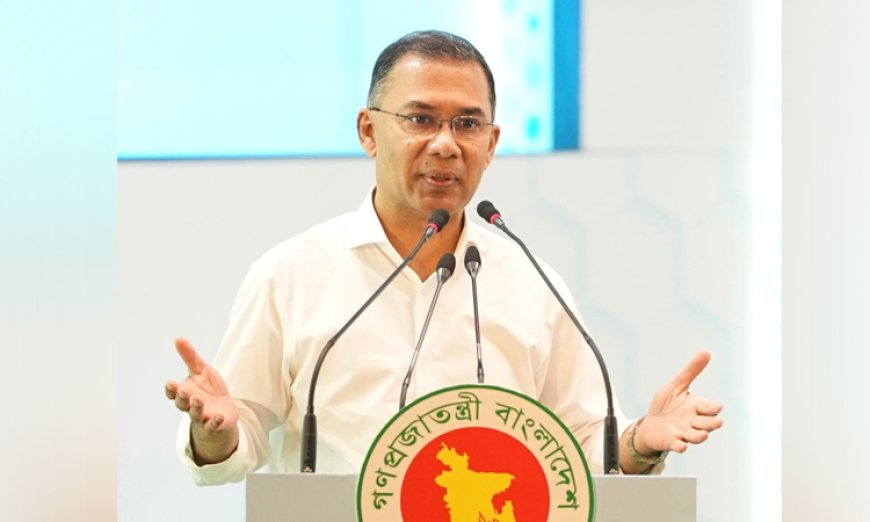
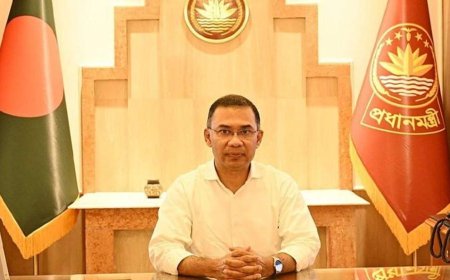
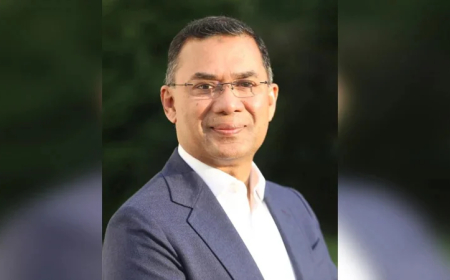
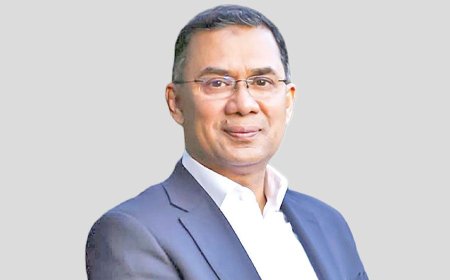
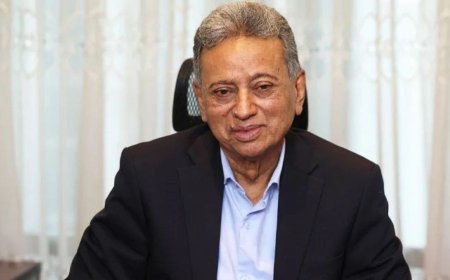
Prime Minister and BNP Chairman Tarique Rahman on Sunday said his government is firmly committed to improving and decentralizing the country’s healthcare system to ensure quality services reach people at the upazila level.
He noted that specialist doctors and advanced diagnostic facilities remain largely concentrated in Dhaka, adding that the government is working to expand such services through district- and upazila-based hospitals. He made the remarks while addressing the “Upazila Health and Family Planning Officers’ Conference-2026” at the Osmani Memorial Auditorium in the capital.
Highlighting the goal of reducing disparities between urban and rural healthcare, the prime minister said decentralization remains a top priority. “This is not something that can be achieved overnight, but we are moving forward step by step,” he said.
The conference was organized by the Health Services Division under the Ministry of Health and Family Welfare to strengthen field-level healthcare delivery through Upazila Health and Family Planning Officers (UHFPOs).
Addressing the participants, Tarique Rahman emphasized the vital role of doctors, describing them as trusted companions in times of illness and crisis. He said a physician’s advice and compassionate behavior can often be as impactful as medicine itself, stressing the importance of both professional excellence and human values in medical practice.
Reiterating the government’s vision of building a “Healthy Bangladesh,” he said the administration’s healthcare approach is guided by the principle that prevention is better than cure. He underlined the key role of UHFPOs in implementing preventive healthcare strategies.
Citing data, the prime minister said 71 percent of deaths in the country are caused by non-communicable diseases. Alongside efforts to control communicable diseases, he said work is underway to implement a joint declaration aimed at preventing and managing non-communicable conditions.
He warned that climate change and environmental challenges are exacerbating health risks, contributing to rising cases of respiratory illnesses, stroke, and heart disease. In this context, he stressed the need for regular screening for conditions such as diabetes and hypertension at the upazila level, along with increased public awareness on healthy lifestyles.
Describing UHFPOs as the backbone of the healthcare system, he said they play a crucial role in delivering services at the grassroots level. He also emphasized the need for effective coordination between healthcare delivery and administrative management to achieve desired outcomes.
The prime minister said the government has outlined a comprehensive plan for the health sector, including a gradual increase in budget allocation to 5 percent of GDP. Drawing inspiration from the UK’s National Health Service model, he said plans are underway to establish primary healthcare units in every upazila and eventually at the union level.
To support this initiative, the government plans to recruit 100,000 health carers in phases, with women expected to make up 80 percent of the workforce. These workers will provide primary healthcare services and advice at people’s doorsteps.
He also stressed the importance of ensuring comprehensive maternal and child healthcare, calling for all upazila health complexes to be equipped for safe childbirth and newborn care.
Criticizing previous administrations for failing to ensure adequate measles vaccination, he described the lapse as a serious failure and urged continued vigilance. He said recent emergency vaccination drives have helped stabilize the situation and thanked healthcare workers for their efforts, while expressing condolences to affected families.
The prime minister underscored the need to bring all healthcare institutions under stronger accountability to ensure quality services for citizens.
Among new initiatives, he announced plans to introduce an integrated e-health card system to digitally store citizens’ medical records, enabling easier access to treatment nationwide. He also said the government aims to gradually roll out a national health insurance system to reduce the financial burden of medical expenses.
Assuring support for healthcare professionals, he said the government is committed to improving their housing, security, dignity, and overall living standards.
Concluding his speech, he urged UHFPOs to build an accountable, sustainable, and people-oriented healthcare system in their respective areas and to transform their workplaces into model health centers.
Health and Family Welfare Minister Sardar Md Sakhawat Husain presided over the event, with State Minister Dr MA Muhit, Health Services Division Secretary Md Quamruzzaman Chowdhury, and DGHS Director General Professor Dr Pravath Chandra Biswas also speaking.
More than 500 UHFPOs from across the country attended the conference.
At the event, the prime minister honored six physicians for their contributions to emergency services at the upazila level. The awardees are Dr Shovan Kumar Bashakh, Dr Manjur Al Morshed Chowdhury, Dr Mojibur Rahman, Dr Sajid Hasan Siddiqui, Dr Suman Kanti Saha, and Dr Tasnim Zubair.
What's Your Reaction?