















































Temple of Heaven summit: Trump and Xi aim to reap fruitful outcomes
China was the largest market for US farmers, importing around $24 billion worth of agricultural products in 2024 before Trump assumed office.

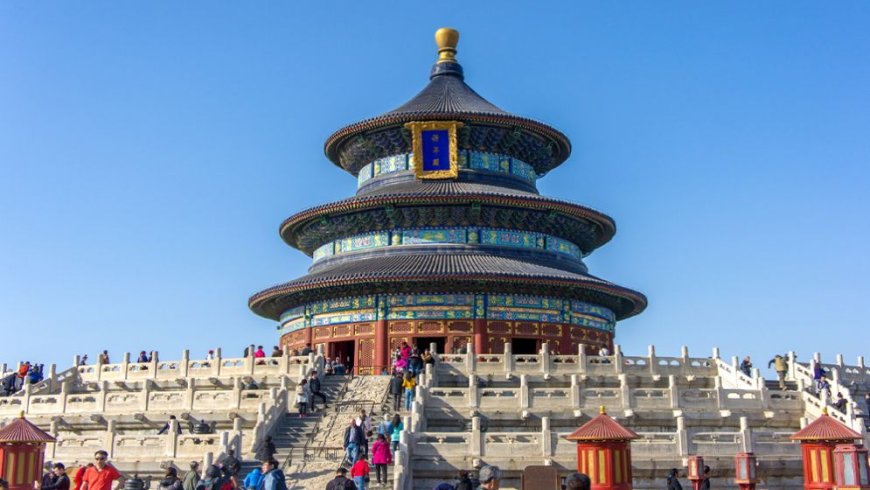
Chinese emperors once prayed for abundant harvests beneath the blue-tiled, triple-eaved Hall of Prayer for Good Harvests in Beijing, performing sacred rituals that symbolised their divine right to rule.
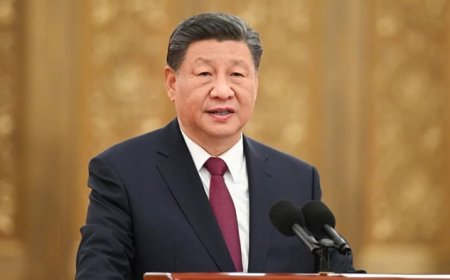
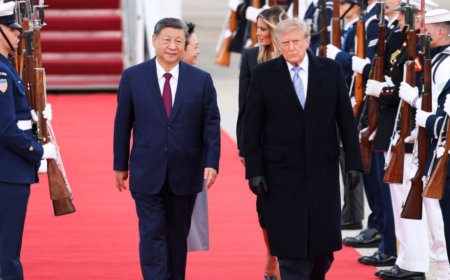
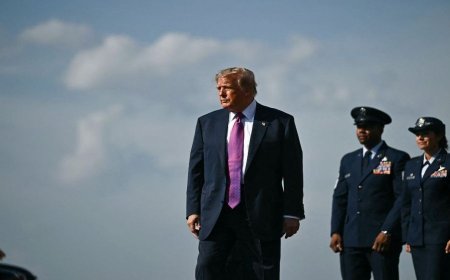
On Thursday, US President Donald Trump and Chinese President Xi Jinping will walk the same imperial grounds at Beijing’s Temple of Heaven, each hoping for a different kind of harvest from their high-stakes summit.
For Xi, hosting Trump at the historic site provides a powerful symbol of China’s endurance and civilisational legacy. For Trump, the venue carries a more practical significance, as agriculture is expected to feature prominently in the talks, with US farmers seeking larger Chinese purchases of soybeans, other crops and meat products.
“As a Chinese leader, this is the perfect backdrop to demonstrate the depth, sophistication and longevity of Chinese history,” said Lars Ulrik Thom, a Beijing-based historian and founder of the historical walking tour company Beijing Postcards.
Trump is scheduled to arrive in Beijing on Wednesday ahead of meetings with Xi on Thursday and Friday. According to the White House, the two leaders are expected to visit the Temple of Heaven on Thursday. Analysts say Trump enters the talks with reduced leverage after court rulings weakened his tariff agenda, narrowing his objectives to securing deals involving soybeans, beef and Boeing aircraft, while also seeking China’s assistance in resolving tensions linked to the Iran conflict.
Xi may roll out grand reception for Trump
In 2017, Xi and his wife hosted Trump and the first lady on a rare private tour of the Forbidden City, the former residence of China’s emperors.
Observers are now watching whether Xi, who appears to approach the talks from a position of greater confidence than Trump, will once again stage an elaborate reception for the US president, who is known for appreciating ceremony and grandeur.
Located around seven kilometres south of the Forbidden City, the Temple of Heaven was built in 1420 during the Ming dynasty by the same emperor who commissioned the imperial palace.
Today, surrounded by ancient pine and cypress trees, the site is both a major tourist attraction and a public park where residents practice tai chi, play chess and dance.
During imperial times, Chinese emperors travelled annually from the Forbidden City to the Temple of Heaven in grand processions involving thousands of attendants and elephant-drawn carriages to conduct rituals affirming their mandate to govern.
That mandate, however, depended on prosperity and stability, as poor harvests, famine or unrest were seen as signs that an emperor had lost divine favour.
Thom noted that the Hall of Prayer for Good Harvests, the temple’s most iconic structure, was rebuilt in the late 19th century using towering redwood imported from the United States.
US farmers hope for stronger Chinese demand
Following the ceremonial visit, Trump is expected to push for stronger Chinese commitments to purchase US soybeans, grains and meat products.
China was the largest market for US farmers before Trump returned to office, importing around $24 billion worth of American agricultural goods in 2024. Beijing has since curtailed much of that trade and reduced its reliance on US supplies, using agricultural imports as leverage in response to Trump’s tariffs.
Soybean producers in particular will be closely monitoring whether China honours last year’s agreement to purchase 25 million metric tonnes of soybeans annually through 2028. Increased Chinese buying could help ease pressure on struggling US farmers, a key part of Trump’s political base, ahead of November’s midterm elections.
For Xi, meanwhile, the Temple of Heaven offers more than a historic backdrop.
“It’s a very effective way of showing Donald Trump and the wider world that China has existed — and endured — for thousands of years,” Thom said.
What's Your Reaction?