




























































Middle East labour market faces severe risk amid ongoing war
Around 67 percent of the country’s migrant workforce is employed in Saudi Arabia

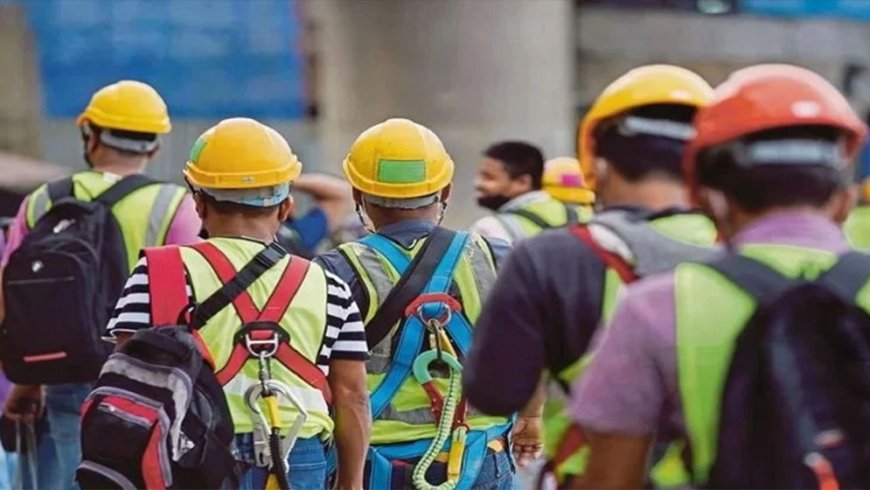
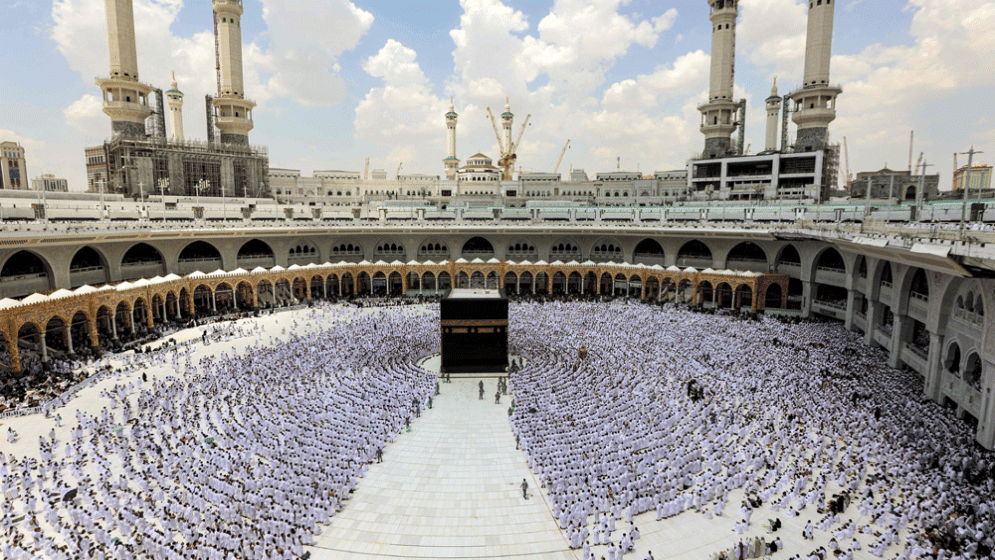
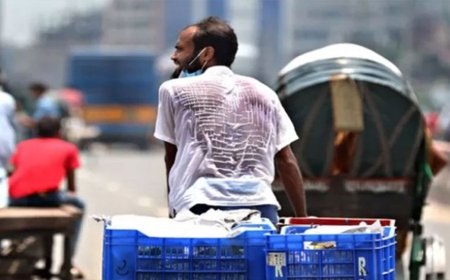
Bangladesh’s overseas employment sector remains heavily reliant on the Middle East, with around 67 percent of migrant workers heading to Saudi Arabia. Qatar is the second-largest destination, followed by Kuwait, the United Arab Emirates and Jordan among the top labour markets. However, the ongoing conflict across much of the region has placed the country’s overseas labour market at considerable risk.
Expatriates are living in fear, and many who returned home on leave are now unable to rejoin their workplaces. If the conflict drags on, remittance inflows could face serious disruption.
Remittances, alongside export earnings from the readymade garments (RMG) sector, are the two key pillars of Bangladesh’s economy. Even during global downturns, remittance earnings play a crucial role in maintaining foreign exchange reserves and supporting the rural economy. In 2025, Bangladesh received a record $32.8 billion in remittances.
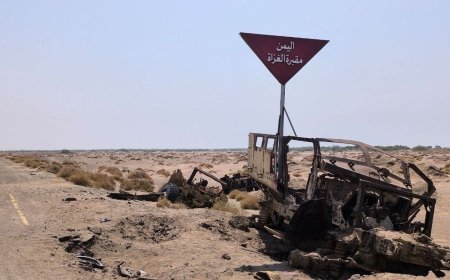
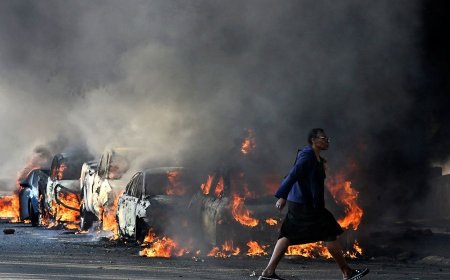
Following strikes by the United States and Israel on Iran, Tehran reportedly launched retaliatory attacks on US bases in the Middle East. As a result, nearly six million Bangladeshi expatriates across the region are living in deep uncertainty.
So far, one Bangladeshi worker has been killed in the United Arab Emirates and another in Bahrain. Four Bangladeshis were injured in Kuwait and three in Bahrain. Many expatriates are unable to return home during emergencies. With airspace closures and restrictions across the region, workers on leave are struggling to return to their jobs on time, while others face visa complications as their permits near expiry.
Imtiaz Ahmed, a former professor of International Relations at University of Dhaka, told Kaler Kantho that if the conflict remains short-lived—lasting no more than two weeks—the labour market may not suffer major disruption, and post-war reconstruction could even create additional demand for workers. However, a prolonged war would severely affect employment prospects, heighten fear and uncertainty, reduce job opportunities, and potentially trigger a wave of return migration. He stressed the need for the government to prepare contingency plans for possible repatriation.
Professor Ahmed also noted that most Bangladeshi migrant workers are unskilled or semi-skilled, limiting opportunities beyond the Middle East. Countries such as Japan and several European nations primarily demand skilled labour. To diversify overseas employment destinations, Bangladesh must invest significantly in skill development.
Bangladeshi missions in the Middle East have advised citizens to avoid military installations and remain indoors unless necessary. The Ministry of Expatriates’ Welfare and Overseas Employment has opened hotlines and call centres to support affected workers.
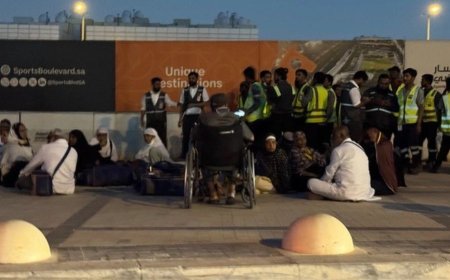
Due to airspace closures, 74 domestic and international flights were cancelled over three days at Hazrat Shahjalal International Airport, leaving thousands of passengers stranded. Airlines have advised travellers with expiring visas to apply for extensions. The Expatriates’ Welfare Ministry has arranged accommodation and meals for stranded workers whose homes are far from Dhaka.
Prime Minister’s Adviser (with state minister rank) Humayun Kabir said expatriates remain the government’s top priority, assuring that steps will be taken regarding ticket reissuance, visa support and the overall safety of Bangladeshis in affected countries.
According to the Bureau of Manpower Employment and Training (BMET), 1,131,144 workers went abroad for employment in 2025. Of them, 754,369 (67 percent) migrated to Saudi Arabia, 107,596 to Qatar, 70,177 to Singapore, 42,241 to Kuwait and 40,139 to the Maldives. Smaller numbers went to the United Arab Emirates, Jordan, Cambodia, Italy and Kyrgyzstan.
Data from the first two months of this year show Saudi Arabia remains the top destination, followed by Singapore, Qatar, Kuwait, Jordan, the UAE and Iraq.
Mohammad Fakhrul Islam, Joint Secretary General of the Bangladesh Association of International Recruiting Agencies (BAIRA), warned that a prolonged Middle East war could significantly damage Bangladesh’s overseas employment sector. Workers are already facing anxiety and uncertainty. Continued conflict could lead to job losses, reduced recruitment and a sharp decline in remittances. He emphasized the need to explore alternative markets such as Malaysia, Japan, Korea and Europe to reduce overdependence on one region.
Malaysia, Bangladesh’s second-largest labour market, currently employs around 1.5 million Bangladeshi workers. After reopening in 2022 following a four-year suspension, 50,090 workers migrated there that year, 351,683 in 2023 and 93,632 in 2024. However, only 3,066 workers have gone to Malaysia so far in 2025.
Sources indicate Malaysia’s labour market has once again become uncertain after being closed in June 2024 amid allegations of recruitment syndicates, excessive migration costs and unemployment among existing workers. Although many Bangladeshis are keen to work in Singapore, limited skill levels continue to restrict access. As a result, efforts to diversify Bangladesh’s overseas labour market remain constrained.
What's Your Reaction?