





































Trump upbeat on Iran talks despite Tehran's threat to escalate conflict
Trump upbeat on Iran talks despite Tehran's threat to escalate conflict

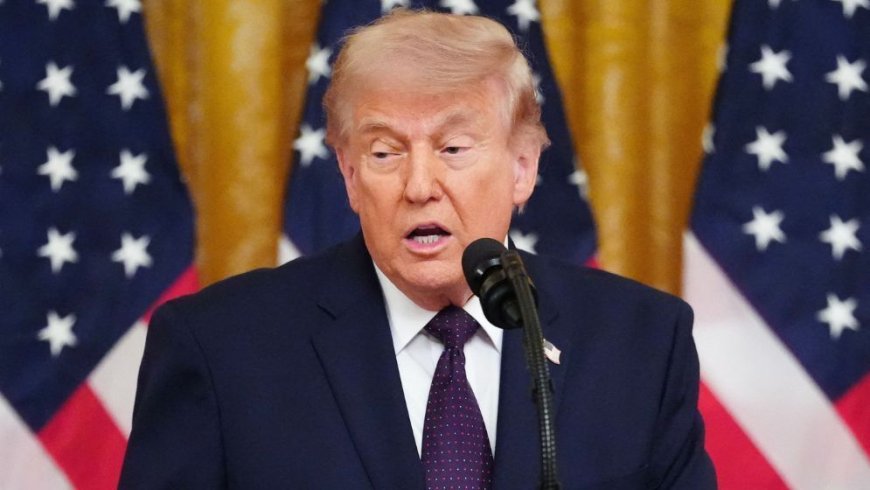
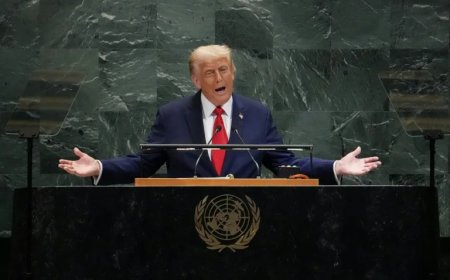
US President Donald Trump said on Monday that talks with Iran were progressing at a "rapid pace", despite Tehran's threat to escalate the conflict by maintaining the closure of the Strait of Hormuz and activating other pressure points across the region.
According to Iran's Tasnim News Agency, Tehran has suspended indirect communications with mediators in response to Israel's expanding military operations in Lebanon, where the US ally has again threatened strikes on Beirut's southern suburbs.
Trump later claimed that he had helped ease tensions between Israel and the Iran-backed Hezbollah group. The US Embassy in Lebanon said Hezbollah had accepted a US-backed proposal for a "mutual cessation of attacks".
"Talks are continuing, at a rapid pace, with the Islamic Republic of Iran," Trump wrote on social media.
Weeks of indirect negotiations, military exchanges and diplomatic pressure have failed to halt the conflict or secure the reopening of the Strait of Hormuz, a vital route for global oil and gas shipments.
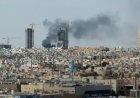
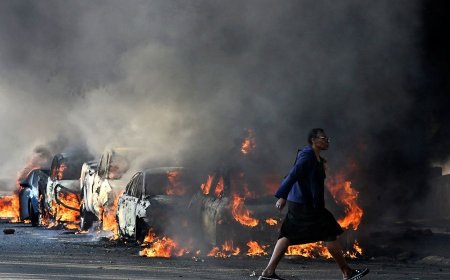
The latest overnight exchange of fire between the United States and Iran came as Israel expanded its ground offensive in Lebanon. Israeli Prime Minister Benjamin Netanyahu vowed to deepen military operations and warned of strikes on what he described as "terror targets" in Beirut's southern suburbs.
Israel's Arabic-language military spokesperson urged residents of the Dahiyeh district to evacuate for their safety. AFP footage showed severe traffic congestion as civilians fled the area.
Netanyahu later said he had informed Trump that Israel would target Beirut if Hezbollah continued its attacks, while military operations in southern Lebanon would also continue.
The United States has supported Israel's campaign against Hezbollah while simultaneously pursuing a broader agreement with Iran aimed at ending the conflict, reopening the Strait of Hormuz and placing restrictions on Tehran's nuclear programme.
However, Iran reiterated on Monday that no nuclear negotiations were currently underway and insisted that Israel must halt its offensive in Lebanon before any wider agreement could be reached.
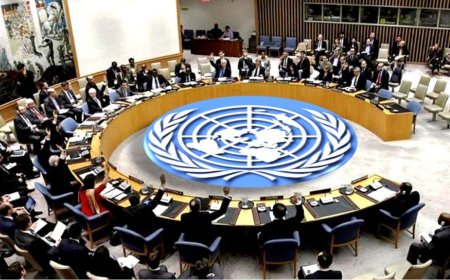
Ahead of an emergency meeting of the UN Security Council on Lebanon, a spokesperson for UN Secretary-General António Guterres expressed deep concern over the escalating military activity across southern Lebanon and surrounding areas.
Iran's chief negotiator, Mohammad Bagher Ghalibaf, described the US naval blockade and the escalation in Lebanon as "clear evidence of US non-compliance with the ceasefire".
Late on Monday, Tasnim reported that Iran had suspended all "dialogues and exchange of texts through mediators" over Israel's actions in Lebanon.
In a statement broadcast by state television, the intelligence arm of Iran's Revolutionary Guards warned that crossing "red lines" in Lebanon and Gaza could trigger a "direct war".
The statement said Iran remained committed to preserving what it called the "Strait of Hormuz equation" and was prepared to take "meaningful actions" by opening additional fronts.
Speaking to NBC, Trump said the situation did not mean the United States would "start dropping bombs all over there", but stressed that the naval blockade would remain in place.
Tasnim reported that Iran intended to keep the Strait of Hormuz closed and, together with its regional allies, activate other fronts, including the Bab al-Mandab Strait at the entrance to the Red Sea.
Iran-backed Houthi forces in Yemen have previously targeted vessels near Bab al-Mandab, a key maritime route whose disruption could affect millions of barrels of oil exported daily through Saudi Arabia's Red Sea port of Yanbu.
In a further indication of growing risks to Gulf shipping, the UK Maritime Trade Operations (UKMTO) agency reported a "large explosion" aboard a cargo vessel off the coast of Iraq following a strike by an unidentified projectile.
Iranian Foreign Ministry spokesperson Esmaeil Baqaei said no discussions had been held on the details of the nuclear issue, adding that Tehran's immediate priority remained ending the war.
Trump has repeatedly insisted that any agreement must address Iran's nuclear programme, arguing that Tehran must not acquire nuclear weapons, an ambition Iran continues to deny.
"We insist that a ceasefire in Lebanon is an essential condition for any deal aimed at ending the war," Baqaei said, accusing the United States of also violating ceasefire commitments.
The US military said it carried out "self-defence strikes" over the weekend against Iranian radar and drone-control facilities after a US MQ-1 drone was shot down. The operation marked the third such round of strikes in just over a week.
Iran's Revolutionary Guards later claimed responsibility for targeting an airbase allegedly used by US forces in the attack. While they did not identify the location, Kuwait's military reported intercepting what it described as "hostile missile and drone attacks".
Meanwhile, the Israeli military announced that two additional soldiers had been killed in southern Lebanon, bringing the total number of Israeli military fatalities since early March to 27.
What's Your Reaction?