





























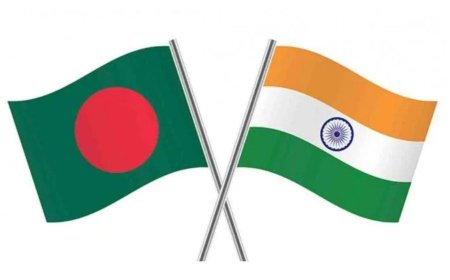


Bangladesh seeks greater ‘diplomatic space’ through Pakistan outreach amid concerns over India ties
Analysts say the new government in Dhaka is pursuing a regional “balancing act” that may pave the way for more pragmatic and business-oriented relations with its neighbours.

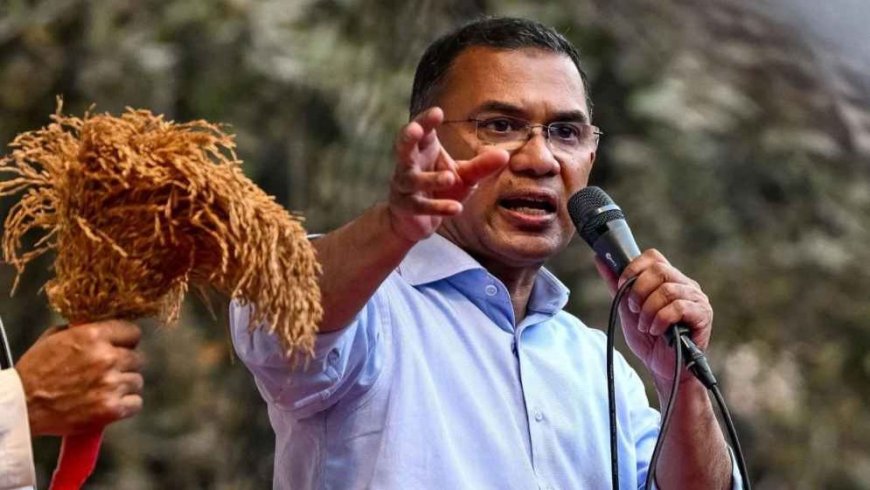
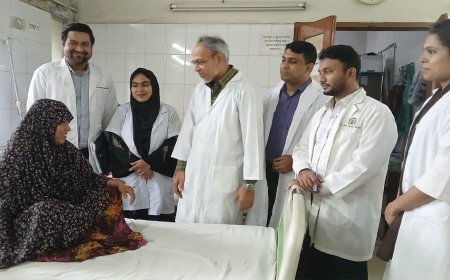
For years, India served as a major training destination for many of Bangladesh’s senior officials and a key source of regional support and policy guidance. Now, with some Bangladeshi officials receiving training in Pakistan, a symbolic shift has emerged that has unsettled New Delhi and offered an early indication of how Dhaka’s new government intends to manage relations with its neighbours.
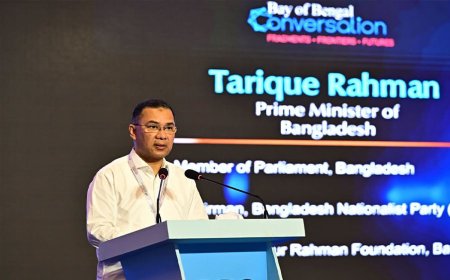
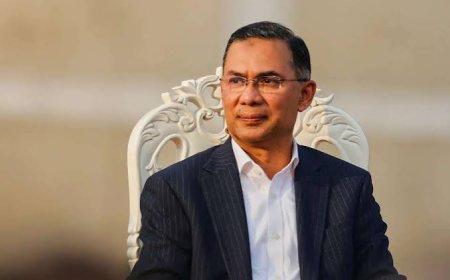
A 12-member delegation of senior Bangladeshi bureaucrats attended an executive training programme at the Civil Services Academy in Lahore from May 4 to May 21. Analysts say the move reflects Prime Minister Tarique Rahman’s efforts to create greater diplomatic space for Bangladesh after years of close alignment with India under former prime minister Sheikh Hasina, who was ousted from power.
The outreach comes at a time when India is closely monitoring Bangladesh’s foreign policy trajectory, particularly the warming of ties with Pakistan and the increasing domestic influence of Islamist parties such as Jamaat-e-Islami, developments that Delhi fears could revive security concerns along its eastern border.
Indian observers pointed out that only a limited number of Bangladeshi officials had travelled to Pakistan, while India continues to host several Bangladeshi delegations in areas such as e-governance, public administration and education.
At the same time, Rahman’s government has sought to rebuild diplomatic ties with India after a prolonged period of tension under the previous interim administration.
Bangladesh Foreign Minister Khalilur Rahman visited New Delhi last month in the first high-level political engagement between the two countries since the new government assumed office following February’s elections.
“What the Bangladesh government is attempting is a balancing act in the region,” said Sreeradha Datta, professor of international relations at OP Jindal Global University in Haryana, India.
According to Datta, while India shared an “emotive connection” with the previous Hasina administration, which maintained strong bilateral ties, the new government in Dhaka is expected to pursue a more pragmatic and business-oriented approach focused on mutual interests.
The two countries have resumed visa services in phases, while India has also provided emergency energy assistance to Bangladesh under an existing bilateral arrangement by supplying additional diesel to help ease fuel shortages triggered by the Iran war crisis.
“They want to work with India. There is no disagreement about that,” Datta said. “Bangladeshi officials understand that India’s support remains important for stabilising the economy.”
Bangladesh is currently facing a multifaceted economic crisis marked by slowing growth, shrinking foreign currency reserves and persistent inflation, worsened by rising fuel and fertiliser costs.
Analysts note that Pakistan, itself grappling with long-standing economic challenges, lacks the industrial capacity and commercial infrastructure required to meet Bangladesh’s large-scale import needs.
Datta said Pakistan has been particularly eager to strengthen ties with Bangladesh, which partly explains why Dhaka’s new administration saw little downside in participating in the civil service training initiative.
Observers also stress that Bangladesh’s recent policy moves do not suggest the country has forgotten the legacy of the 1971 Liberation War, fought to gain independence from decades of political, economic and cultural domination by West Pakistan.
Priyajit Debsarkar, a London-based author specialising in South Asian affairs, said public opinion in Bangladesh broadly reflects two competing currents: one rooted in the legacy of the freedom fighters, and another aligned with Islamist groups advocating closer cooperation with Pakistan.
According to Debsarkar, supporters of the latter vision favour the concept of an Islamic Ummah — a broader alignment of Muslim-majority countries under Pakistan’s leadership.
“However, this is a very difficult proposition for Bangladesh because during recent crises, including the energy shortages linked to the Iran war and the Covid-19 pandemic, it was India that stepped forward to assist Dhaka,” he said.
For Uday Chandra, professor of political science at Ashoka University in India, Bangladesh’s evolving foreign policy suggests that the new government is focused more on strengthening its own strategic position than pursuing a dramatic geopolitical shift.
“The new administration is trying to create greater diplomatic room for itself after the Hasina era. That includes visible engagement with China and Pakistan,” Chandra said.
Earlier this month, Bangladesh requested China’s assistance in restoring the Teesta River project, which lies close to the strategically sensitive Siliguri Corridor — often referred to as the “Chicken’s Neck” — connecting India’s northeastern states with the mainland.
Experts say such outreach is likely to heighten India’s security concerns.
“The concern is that Dhaka could use ties with China and Pakistan as leverage in renegotiating its relationship with Delhi,” Chandra said. “India clearly needs a new Bangladesh policy — one less dependent on individual political figures and more responsive to Bangladeshi public sentiment.”
Chandra believes Dhaka’s new government may adopt a firmer public position on issues including border management, water-sharing disputes and the continued presence of Sheikh Hasina in India, where she has lived since leaving Bangladesh in August 2024.
Still, analysts point out that geography, trade, energy cooperation and regional connectivity continue to bind Bangladesh closely to India.
Bangladesh’s location, integrated supply chains and shorter transport routes make trade with India both efficient and economically beneficial for both sides, experts say.
The country has traditionally depended on India for a significant share of essential imports such as onions, wheat and rice, as well as raw cotton and yarn used in Bangladesh’s US$50 billion ready-made garment industry.
“Dhaka will continue cooperating with India in sectors where the benefits are obvious, including fuel, fertilisers and electricity generation,” Chandra said.
What's Your Reaction?