





































Iran threatens “crushing” retaliation as regional infrastructure comes under attack
Iran threatens “crushing” retaliation as regional infrastructure comes under attack

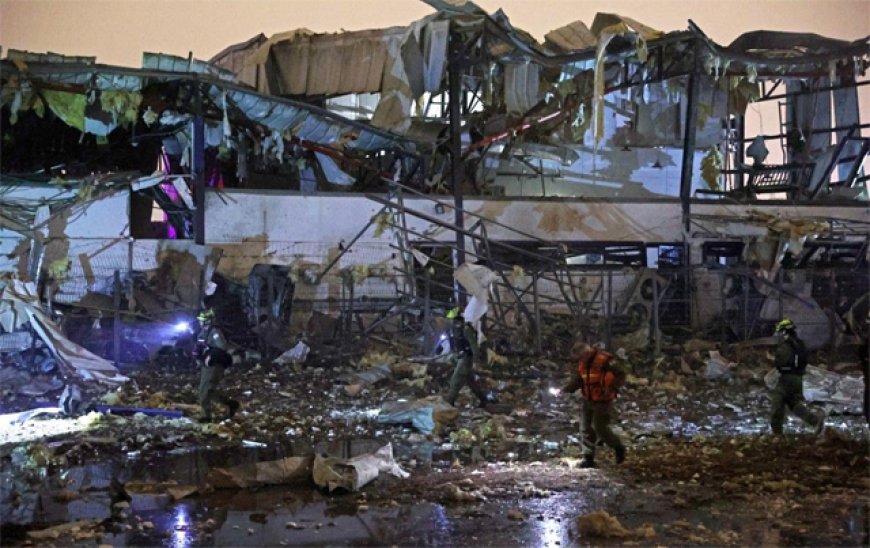
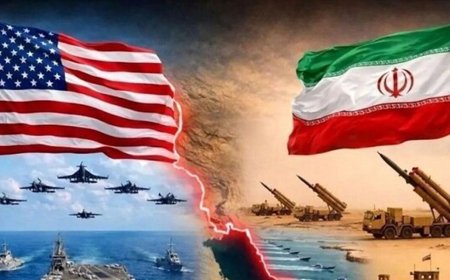
Iran and its regional allies exchanged fire with Israel and the United States, as assets linked to Washington across the Middle East came under attack alongside civilian infrastructure, with the month-long conflict on Friday showing no clear signs of easing.
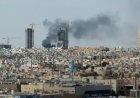
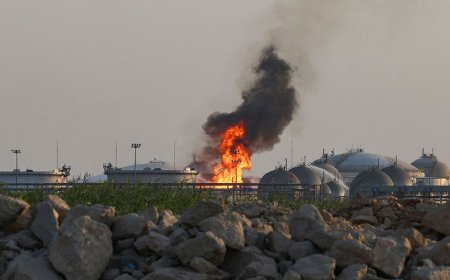
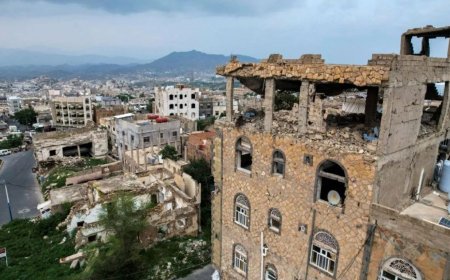
Strikes have increasingly focused on economic and industrial facilities, heightening concerns over disruptions to global energy supplies and expanding the war’s impact beyond the battlefield.
Tehran said its latest wave of attacks hit targets in the United Arab Emirates, Bahrain and Israel in retaliation for earlier US-Israeli strikes on its industrial sites, including what it described as American steel facilities in Abu Dhabi, aluminium industries in Bahrain, and Israel’s Rafael arms factories.
Israel’s military said its air defence systems were intercepting missiles launched from Iran, though there were no immediate reports of casualties or damage.
Earlier, explosions were reported around Tehran, where Iranian state television said US-Israeli strikes hit a bridge in Karaj twice — first causing civilian casualties and then striking again as emergency responders arrived.
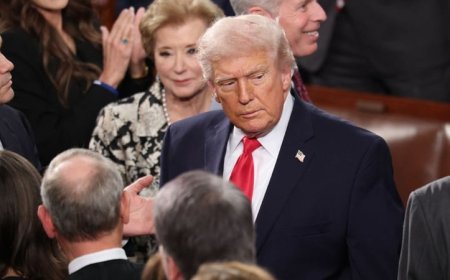
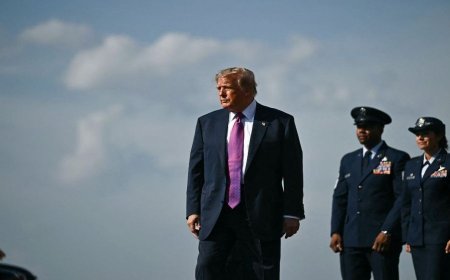
US President Donald Trump, who earlier warned of devastating retaliation, maintained his tough rhetoric on social media, claiming the bridge had been destroyed and hinting at further action.
Repeated US and Israeli strikes have also forced Iran’s two largest steel plants to shut down, according to company statements.
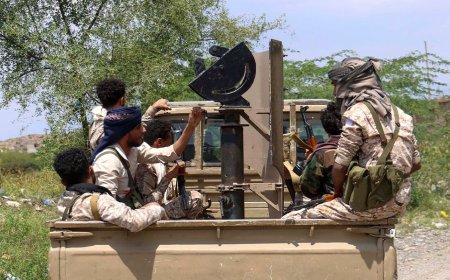
Meanwhile, Yemen’s Houthi rebels said they had carried out a fourth attack on Israel, launching a barrage of ballistic missiles toward the Tel Aviv area.
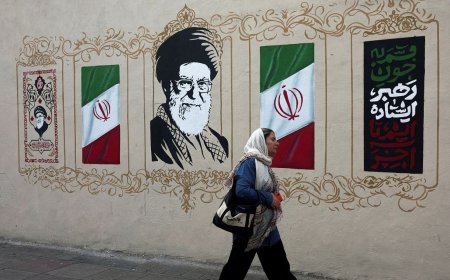
Despite the ongoing bombardment, some residents in Tehran gathered in Melat Park to observe traditions marking the 13th day after Nowruz, the Persian New Year, though security presence in the city has increased significantly.
In Israel, Passover celebrations continued, with some families marking the occasion in underground shelters due to the ongoing threat.
The conflict has also escalated tensions in the Strait of Hormuz, a critical global oil route, which Iran has effectively closed, intensifying concerns over international shipping and energy markets.
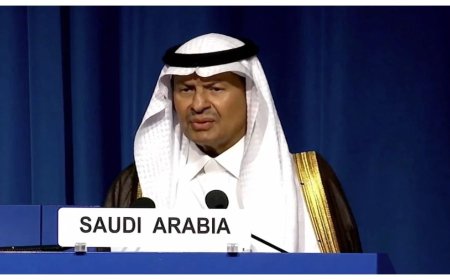
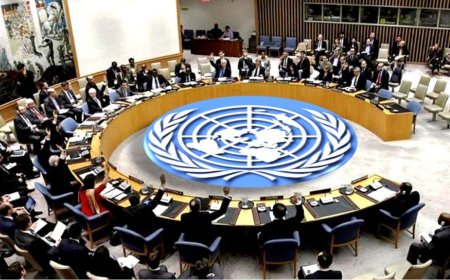
Diplomatic efforts are underway, with multiple countries calling for the strait to reopen and proposals emerging at the United Nations to ensure safe passage, though divisions remain.
Washington has warned that further strikes could target Iran’s energy infrastructure if no agreement is reached, while also suggesting potential for renewed negotiations — an idea Tehran has dismissed as unrealistic.
The war’s economic shockwaves are spreading globally, driving up oil prices, straining markets, and triggering fuel price hikes and economic disruptions in countries far beyond the Middle East.
What's Your Reaction?