






































































Opposition given more time to deliberate on bills after dissent note debate
The opposition leader, Shafiqur Rahman, said the time given is inadequate to explain the basis of a dissenting view

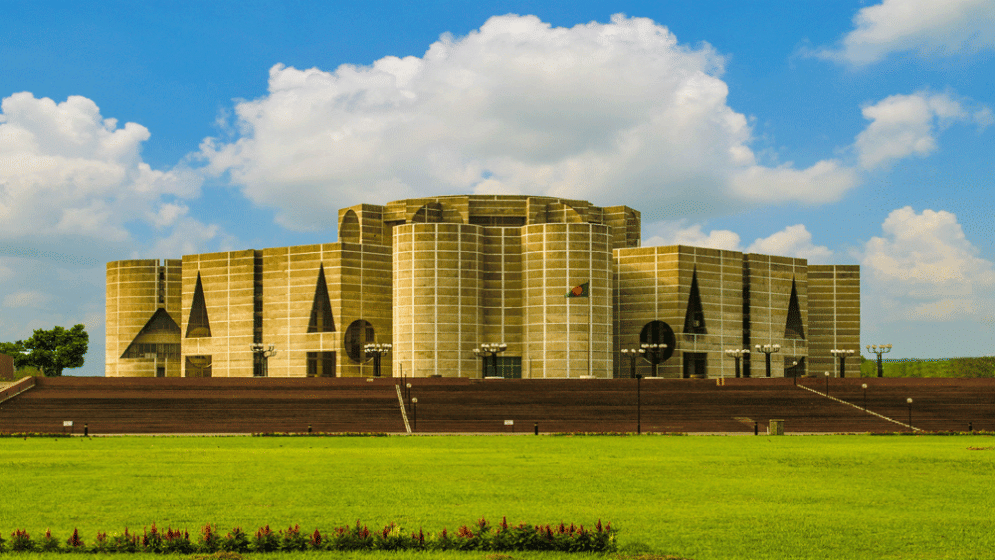
A debate unfolded in the National Parliament on Thursday between the government and the opposition over the time allotted for presenting and discussing bills stemming from a special committee’s report.
The opposition forcefully raised the issue, alleging that inadequate time was being given to deliberate on bills where a “note of dissent” had been submitted.
In response, Home Minister Salahuddin Ahmed said many of the concerns raised by the opposition were issues he also intended to highlight. He explained that bills containing differing opinions or dissent notes in the special committee’s report are being introduced in phases and must be concluded within a fixed timeframe.
He added that parliamentary rules allow those raising objections an opportunity to speak, and this practice would continue. He noted that one such member had already been given the floor and was allowed three times the usual speaking duration. He also pointed out that opposition lawmakers could use the second reading and committee-stage amendments for more detailed discussions, while the third reading typically allows less time.
However, Leader of the Opposition Shafiqur Rahman argued that the time provided is insufficient to explain the reasoning behind dissenting opinions. “It is impossible to present any meaningful arguments within just two minutes. Without the chance to explain why dissent was filed and what changes are needed, effective debate cannot take place,” he said. He further claimed that although proposers are given more time, opposition members receive comparatively limited opportunities, undermining the balance of parliamentary debate.
“If adequate speaking time is not ensured in Parliament, then what is the purpose of our presence?” he added, calling for equal and sufficient time for both sides to ensure substantive discussion.
At this stage, the speaker intervened, noting that traditionally two minutes are allotted for raising objections, but this had been extended to six minutes in the current session. He also mentioned that members can speak during the committee-stage amendments, although time there remains limited.
Describing the opposition’s proposal as “reasonable,” the speaker said that speaking time for those raising objections would be slightly increased going forward, expressing hope that this would enable more comprehensive debate on the bills.
Parliamentary sources said continuous sittings are being held to expedite the passage of bills containing differing views in the special committee’s report. The pressure to meet deadlines has created a sense of urgency, contributing to tensions between the government and opposition over time allocation.
What's Your Reaction?