













































Trump signals Iran agreement could come soon
Trump signals Iran agreement could come soon

Here is a clear, polished rephrased version:
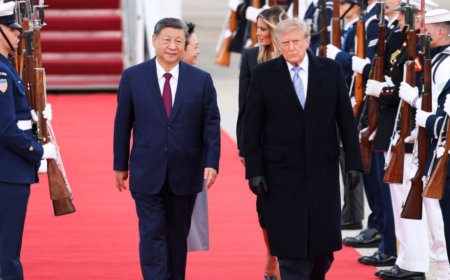
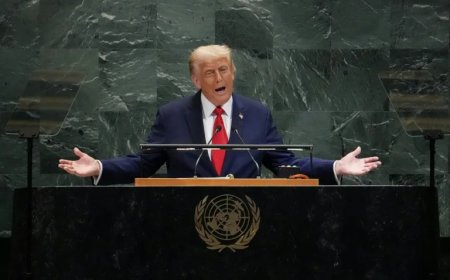
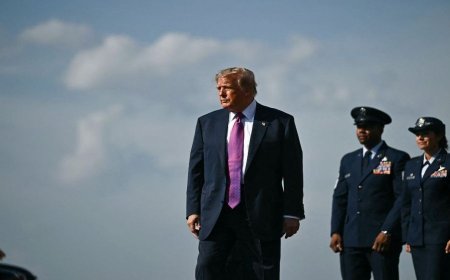
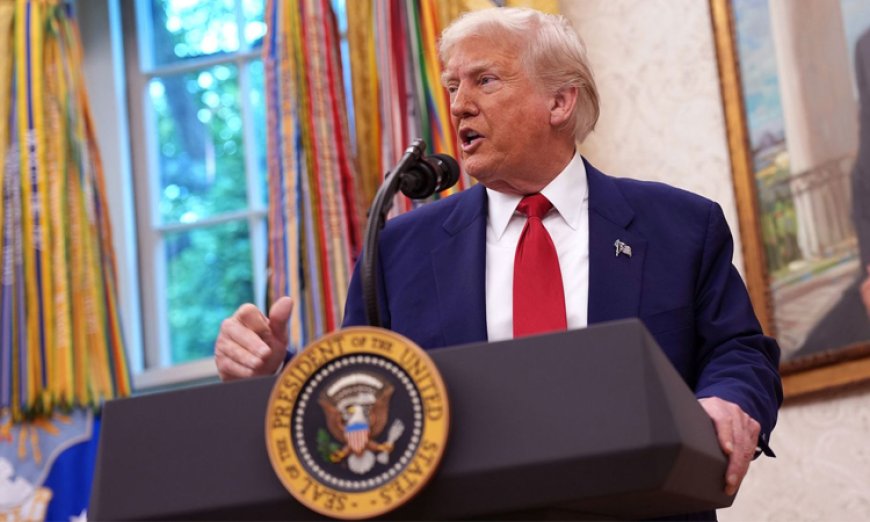
US President Donald Trump said on Sunday that the US-Israel war against Iran has effectively brought about regime change and that a deal with Tehran could be reached “soon.”
Meanwhile, Iran launched strikes targeting Kuwait and Saudi Arabia after its electrical infrastructure came under attack, causing power outages in parts of Tehran and nearby regions.
As Israel intensified its offensive against Iran-backed Hezbollah in southern Lebanon, the United Nations Interim Force in Lebanon (UNIFIL) reported that one peacekeeper was killed and another critically injured on Sunday after a projectile hit one of its positions. UNIFIL said the source of the projectile remains unknown and is under investigation.
Citing the number of Iranian leaders killed during the month-long conflict, Trump said a leadership shift had already occurred and described the new figures as “much more reasonable.”
“We’ve had regime change,” Trump told reporters aboard Air Force One. “We’re dealing with entirely different people now.”
When asked whether an agreement with Iran could be reached this week, he responded: “I do see a deal in Iran. It could be soon.”
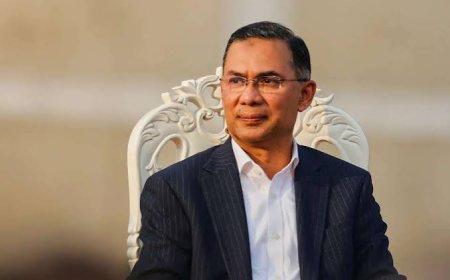
In Pakistan, the government is seeking to leverage its ties with Tehran and Gulf states, along with improving relations with Washington, to help broker peace talks. Foreign Minister Ishaq Dar said both Iran and the United States have expressed confidence in Pakistan’s role as a facilitator.
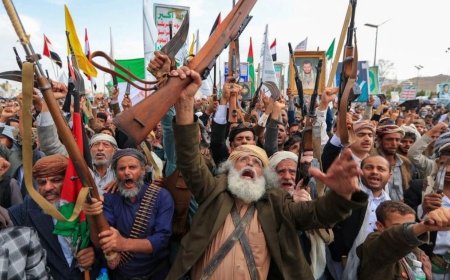
However, Iran’s parliament speaker Mohammad Bagher Ghalibaf accused Washington of using diplomacy as a cover for military plans. In a statement carried by the Islamic Republic News Agency, he alleged that while the US speaks of negotiations publicly, it is secretly preparing for ground operations.
“Our forces are ready to confront American troops and punish their regional allies,” he said.
Regional escalation
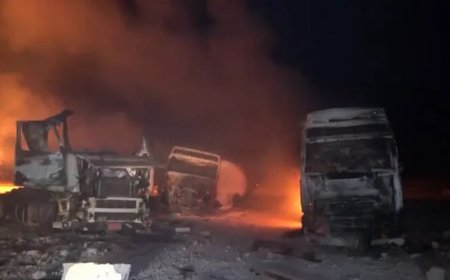
Weeks of sustained strikes have taken a heavy toll on civilians in Iran. Residents in Tehran described intense nightly bombardments that shook large parts of the city.
The conflict has expanded across the region, with Iran retaliating against Gulf states and effectively closing the Strait of Hormuz—a critical route for global energy supplies—triggering volatility in oil markets.
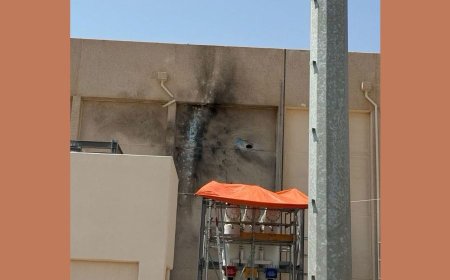
In Kuwait, an Iranian strike on a power station and desalination facility killed one Indian worker and damaged infrastructure, according to authorities. Saudi Arabia said it intercepted five ballistic missiles.
Iran’s energy ministry confirmed widespread power outages in Tehran and surrounding areas, including Alborz province, following attacks on electricity facilities.
Trump had previously warned of targeting Iran’s power infrastructure if it refused to negotiate, though deadlines for talks had been repeatedly extended.
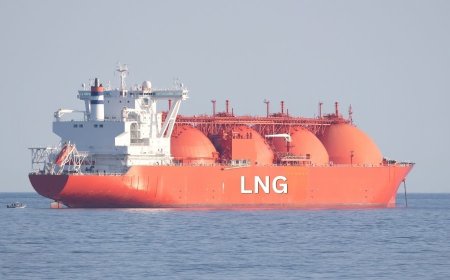
Iran has also announced restrictions on vessels from hostile nations passing through the Strait of Hormuz, which previously handled a significant share of global oil and liquefied natural gas shipments.
The war has driven oil prices sharply higher, with US benchmark crude rising above $100 per barrel and Brent crude exceeding $115.
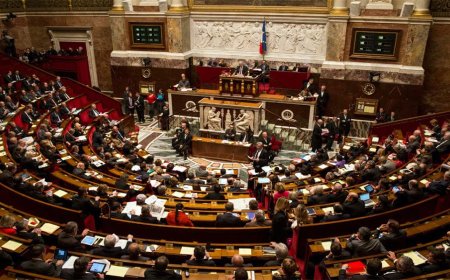
In Israel, parliament approved a 2026 budget that significantly increases military spending, raising defence allocations by over $10 billion to more than $45 billion.
Diplomatic efforts
On the diplomatic front, Pakistan hosted foreign ministers from Saudi Arabia, Turkey and Egypt in Islamabad to discuss ways to de-escalate the crisis.
Although Trump has repeatedly claimed ongoing diplomatic contacts with Iran, Tehran has denied such engagement.
Dar said discussions focused on achieving “an early and permanent end to the war,” adding that China, through Foreign Minister Wang Yi, and UN Secretary-General Antonio Guterres have also supported mediation efforts.
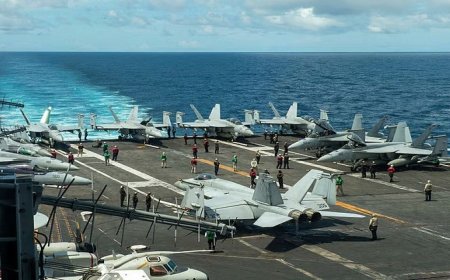
Despite diplomatic outreach, the United States continues to bolster its military presence in the region. The USS Tripoli, carrying thousands of Marines and sailors, recently arrived in the Middle East.
According to a report by The Washington Post, the Pentagon is preparing contingency plans for potential ground operations, though Trump has not yet approved any such deployment.
What's Your Reaction?