
































Trump says Iran ‘seeking talks’ amid reports of hundreds killed in protests
Trump says Iran ‘seeking talks’ amid reports of hundreds killed in protests
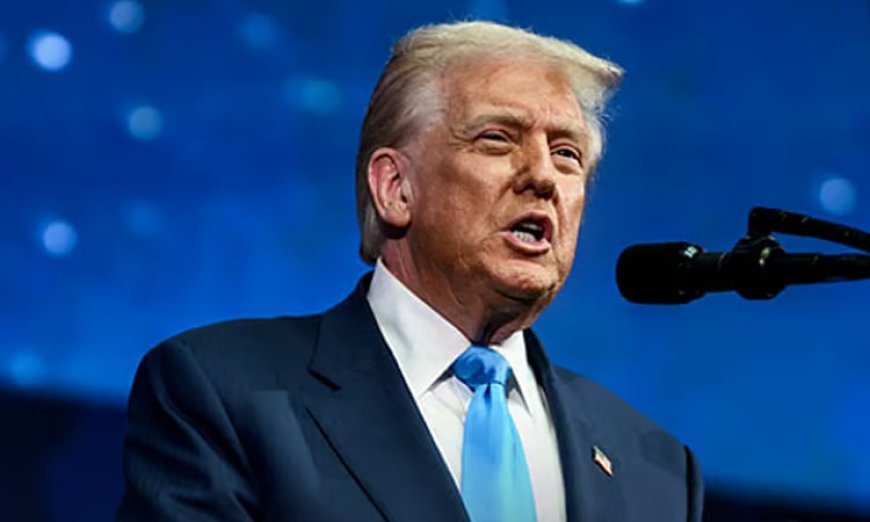
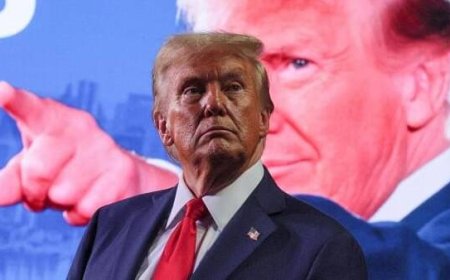
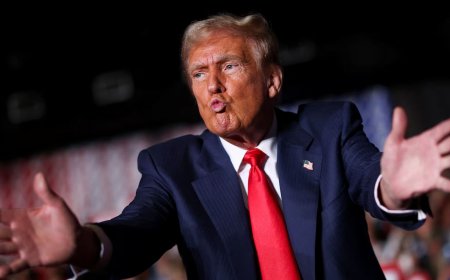
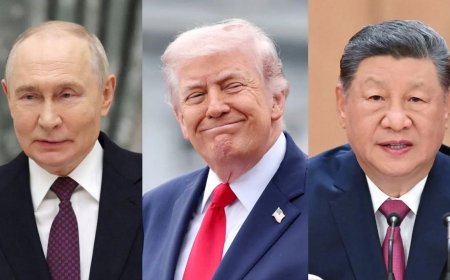
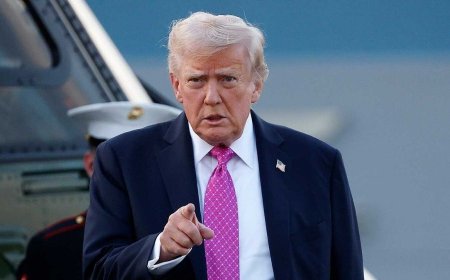
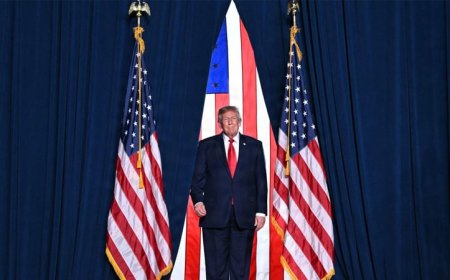
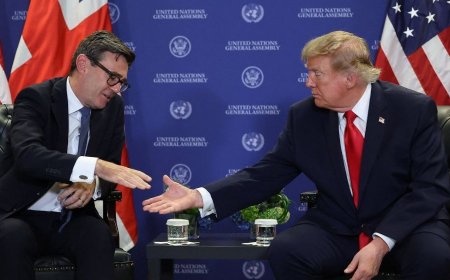
US President Donald Trump said on Sunday that Iran’s leadership had reached out to him seeking “to negotiate,” after he repeatedly warned of possible US military intervention if Tehran continued killing protesters.
Iran has been gripped by nationwide protests for the past two weeks, which have continued to grow despite a violent crackdown that human rights groups describe as a “massacre.”
The unrest began over sharp increases in the cost of living but has since evolved into a serious challenge to Iran’s theocratic system established after the 1979 revolution.
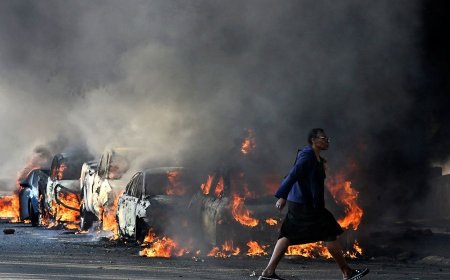
Although authorities imposed a days-long internet shutdown, information has continued to emerge from the country. Videos circulating from Tehran and other cities over the past three nights showed large crowds taking to the streets.
As reports of a rising death toll mounted — including images showing bodies stacked outside a morgue — Trump said Tehran had signaled a willingness to hold talks.
“The leaders of Iran called yesterday,” Trump told reporters aboard Air Force One, adding that “a meeting is being set up… They want to negotiate.” He cautioned, however, that “we may have to act before a meeting.”
The US-based Center for Human Rights in Iran (CHRI) said it had received eyewitness accounts and credible reports suggesting that hundreds of protesters had been killed nationwide during the internet blackout. “A massacre is unfolding,” the group said.
The Norway-based NGO Iran Human Rights (IHR) said it had verified at least 192 deaths but warned the actual figure could be far higher. “Unverified reports indicate that several hundred people — and according to some sources more than 2,000 — may have been killed,” the group said. IHR also estimates that more than 2,600 protesters have been arrested.
A video shared on Sunday showed dozens of bodies outside a morgue south of Tehran. AFP geolocated the footage to Kahrizak, where bodies wrapped in black bags appeared to be searched by grieving relatives.
Near paralysis in Tehran
An AFP journalist described Tehran as being in a state of near paralysis. Meat prices have almost doubled since the protests began, and many shops remain closed. Those that open typically shut by late afternoon as security forces deploy in large numbers.
Fewer protest videos appeared online on Sunday, though it was unclear whether this was due to the internet shutdown. One widely circulated clip showed demonstrators in Tehran’s Pounak district chanting slogans in support of the former monarchy.
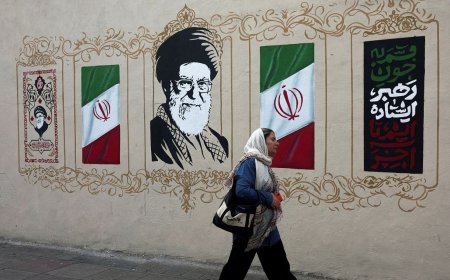
The unrest represents one of the most serious challenges to Supreme Leader Ayatollah Ali Khamenei, 86, particularly following Israel’s 12-day war with Iran in June, which was backed by the United States.
State television has aired footage of burned buildings, including a mosque, along with funeral processions for security personnel. However, after three days of large-scale demonstrations, state media sought to project a return to normalcy, broadcasting images of smooth traffic flow on Sunday. Tehran Governor Mohammad-Sadegh Motamedian said on state TV that “the number of protests is decreasing.”
The government declared three days of national mourning for “martyrs,” including members of the security forces killed in the unrest. President Masoud Pezeshkian also called on citizens to take part in a “national resistance march” on Monday to condemn the violence.
Responding to Trump’s warnings, Iran’s parliament speaker Mohammad Bagher Ghalibaf said Tehran would retaliate, calling US military assets and shipping “legitimate targets” in remarks broadcast on state television.
‘Stand with the people’
Reza Pahlavi, the US-based son of Iran’s deposed shah and a prominent opposition figure, said he was prepared to return to Iran and lead a democratic transition.
“I’m already planning on that,” he told Fox News on Sunday.
He later urged members of the security forces and state institutions to side with protesters. “Employees of state institutions, as well as members of the armed and security forces, have a choice: stand with the people and become allies of the nation, or be complicit with the murderers of the people,” he wrote on social media.
What's Your Reaction?