




















































Hungary’s opposition scores a landslide victory, paving the way for reforms and improved ties with the EU
Hungary’s opposition scores a landslide victory, paving the way for reforms and improved ties with the EU

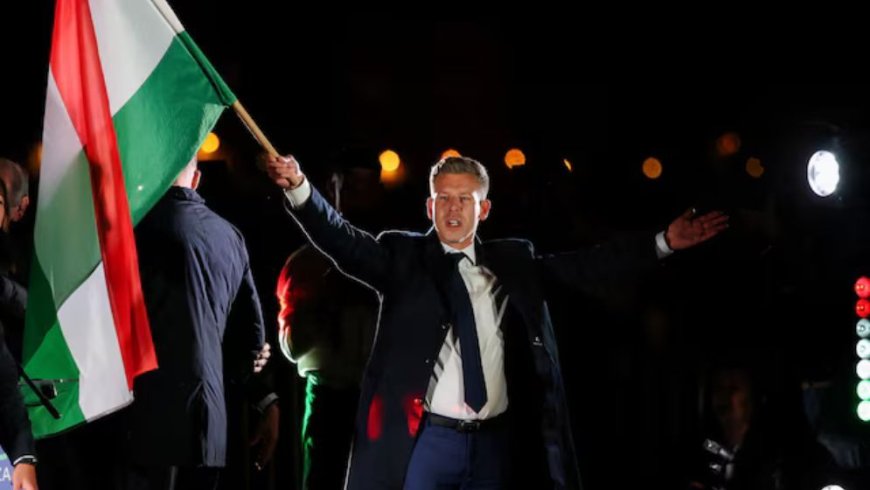
Peter Magyar’s landslide victory in Sunday’s election has given his centre-right Tisza Party a commanding mandate, allowing it to pursue sweeping reforms, strengthen the rule of law, and potentially unlock billions in European Union funding.
Economists and political analysts say the incoming government’s anticipated two-thirds supermajority—seen as both EU- and market-friendly—was among the least expected outcomes before the vote. The result is likely to spark a strong rally in Hungarian assets, reflecting investor optimism.
Despite lingering uncertainties, diplomats and analysts caution that the new administration must first deliver on its promises before fully reaping the benefits. For now, however, markets appear willing to give Budapest’s new leadership the benefit of the doubt.
Analysts say the outcome is transformative, giving Magyar the political space to roll back the system built under Viktor Orbán and implement reforms demanded by the EU. This could unlock at least €6.4 billion from the bloc’s recovery funds, boosting the real economy and reinforcing Tisza’s electoral mandate.
The election had been closely watched as one of Europe’s most market-sensitive contests, given Orbán’s frequent clashes with Brussels during his 16-year rule over issues such as immigration and ties with Russia. While Orbán remained confident during the campaign, markets had already signalled expectations of political change through falling shares in companies linked to his administration and rising currency volatility.
Addressing supporters after conceding defeat, Magyar pledged to rebuild Hungary’s alliances, strengthen ties with the EU and NATO, and restore democratic checks and balances. He also committed to joining the European Public Prosecutor’s Office and ensuring the proper functioning of democratic institutions.
A central pillar of his economic strategy is unlocking EU funds that were frozen due to concerns over democratic backsliding. With a constitutional majority, analysts say Magyar could amend the constitution, overhaul institutions aligned with the ruling Fidesz, and potentially move toward adopting the euro.
On election day, Magyar called on senior officials—including the chief prosecutor, top court head, and media authority leader—to resign, alleging that key institutions had been dominated by Orbán loyalists over the past 16 years.
However, credit rating agencies such as S&P Global and Fitch Ratings, along with EU diplomats, remain cautious about the swift release of funds. They stress that, unlike in Poland after Donald Tusk’s 2023 victory, Hungary will need to demonstrate concrete progress before financial support is unlocked.
Analysts say that if EU funding is released, it could help reduce Hungary’s budget deficit to around 3.5–4% of GDP by the end of the decade and stabilise public debt levels.
Overall, the election marks a significant turning point for Hungary’s economy, with the sustainability of market optimism hinging on how quickly the new government rebuilds EU relations, secures funding, and establishes a credible fiscal framework.
What's Your Reaction?