































































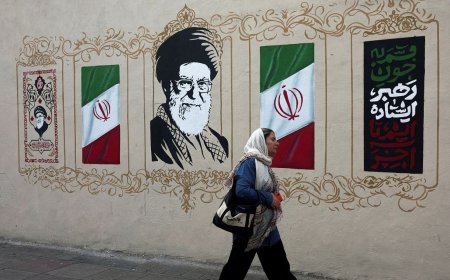


Iran has proposed allowing ships to pass safely through the Omani side of the Strait of Hormuz without risk of attack
Iran has proposed allowing ships to pass safely through the Omani side of the Strait of Hormuz without risk of attack.

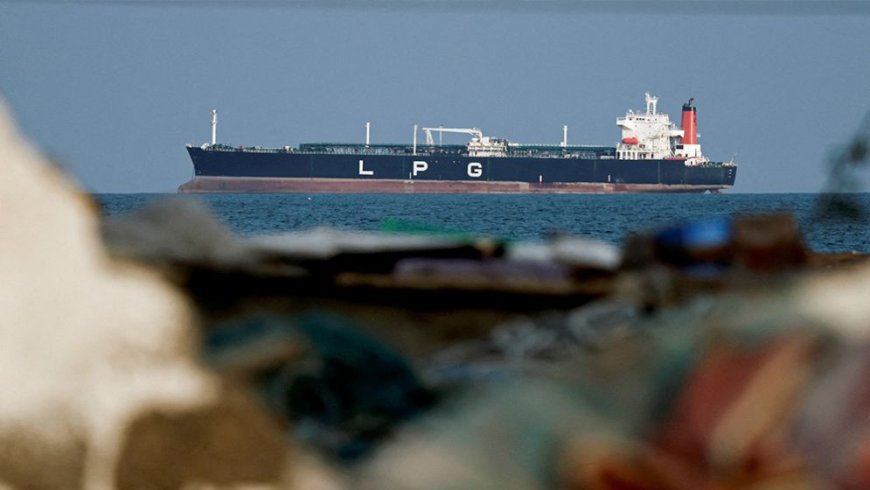
Iran may allow ships to move freely through the Omani side of the Strait of Hormuz without facing attacks, as part of proposals presented during negotiations with the United States, according to a source familiar with Tehran’s position. The offer, however, depends on a broader agreement being reached to prevent renewed conflict.
The recent US-Israeli war with Iran has caused the most significant disruption to global oil and gas supplies on record, after Tehran restricted traffic through the strait—responsible for roughly 20% of global oil and liquefied natural gas flows.
Since the conflict began on February 28, hundreds of tankers and other vessels, along with around 20,000 seafarers, have been stranded in the Gulf. Although a two-week ceasefire took effect on April 8 and U.S. President Donald Trump said on Wednesday that the war was nearing its end, control over the Strait of Hormuz remains a central issue in ongoing talks.
The source, speaking on condition of anonymity due to the sensitivity of the matter, said Iran could permit ships to transit via Omani waters without interference. However, it remains unclear whether Tehran would remove any mines from the area or allow all vessels—including those linked to Israel—to pass freely.
The proposal is contingent on Washington’s willingness to meet Iran’s demands, which the source described as key to any breakthrough regarding the strait.
There was no immediate response from the White House, while Iran’s Foreign Ministry was also unavailable for comment.
A Western security source said the idea of allowing unhindered passage through Omani waters had been under consideration, though it is unclear whether the United States has formally responded.
The Strait of Hormuz, a narrow 34-kilometre waterway between Iran and Oman, connects the Gulf to the Indian Ocean and serves as a critical route for energy exports and other essential goods, including fertilisers.
If implemented, the proposal would mark Tehran’s first visible step away from more confrontational measures floated in recent weeks, such as imposing transit fees or asserting sovereignty over the strait—moves widely seen by the global shipping industry as unprecedented and in violation of maritime norms.
At a meeting in London this week, member states of the UN’s International Maritime Organization pushed back against the idea of Iran charging ships for passage, warning it would set a “dangerous precedent.”
Iran’s proposal could also signal a return toward the long-standing status quo in the strait, where a two-way traffic separation scheme—established in 1968 under UN guidance—divides shipping lanes between Iranian and Omani waters. Despite periodic vessel seizures by Iran, this system has generally ensured continued navigation.
Meanwhile, the United States imposed a blockade on oil tankers departing Iranian ports earlier this week, and overall shipping activity in the region has remained subdued since late February.
What's Your Reaction?