





















































World Bank chief economist warns Iran war could trigger global hunger surge
World Bank chief economist warns Iran war could trigger global hunger surge

The conflict in the Middle East could drive millions more into hunger as its economic shockwaves spread globally, the World Bank’s chief economist warned in an AFP interview on Wednesday.
“There are already around 300 million people facing acute food insecurity,” said Indermit Gill. “That number could rise by about 20 percent very quickly” as the ripple effects intensify.
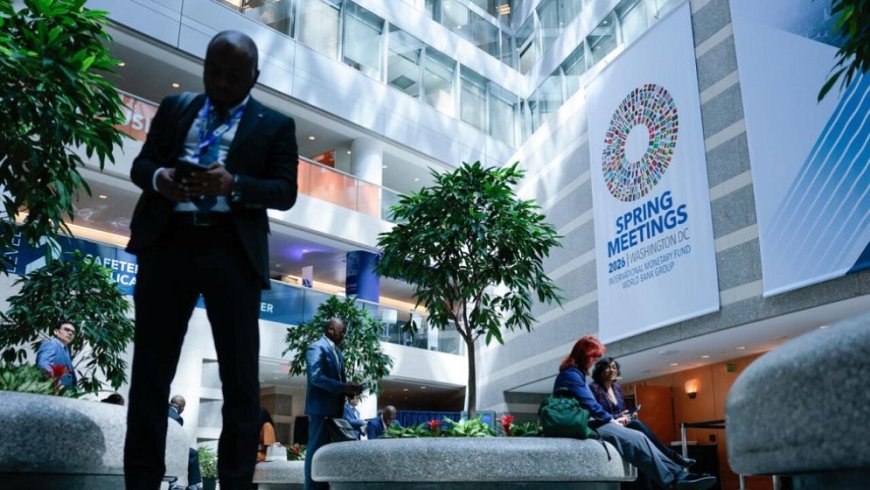
Gill made the remarks on the sidelines of the International Monetary Fund–World Bank Spring Meetings in Washington.
Disruptions in the Strait of Hormuz — a crucial oil supply route — have already pushed up fertilizer prices, which depend heavily on oil-based inputs.
Rising fertilizer costs could prompt countries to impose export restrictions and stockpile food domestically, further driving up global prices.
“Those export bans are a major concern for us,” Gill said.
The most vulnerable populations are in conflict-affected or politically fragile countries. If the crisis persists, he warned, hunger could escalate sharply in these regions.
While Asia is currently feeling the brunt of petrochemical shortages and their economic impact, Gill noted that prolonged instability would quickly extend the crisis to Africa.
“The food available in markets now has already been produced,” he said, cautioning that the most severe effects may emerge in the coming months.
Low-income households, which spend a larger share of their income on essentials like food and fuel, will be hit hardest.
“If inflation rises, especially in items the poor rely on most, the impact will be severe,” Gill added.
In a worst-case scenario where the conflict continues into August, global inflation could climb from around 3 percent to as high as 4.7 percent this year.
At the same time, global economic growth could drop by up to 40 percent on an annual basis if the crisis drags on.
This combination of rising inflation and slowing growth would create a “double blow” for poorer nations, worsening debt burdens and limiting their capacity to respond to current and future crises.
Gill also cautioned that regional growth figures may appear stronger than they truly are, as large economies like the United States, China, and India — which are relatively insulated from external shocks — tend to skew the data upward.
Excluding these economies reveals significantly greater vulnerabilities, he noted.
“And that extreme scenario is becoming less extreme with each passing day,” Gill said. “We’re getting closer and closer to August.”
What's Your Reaction?