










































Pakistan prepares to host US-Iran negotiations amid ongoing fighting in Lebanon
Pakistan prepares to host US-Iran negotiations amid ongoing fighting in Lebanon

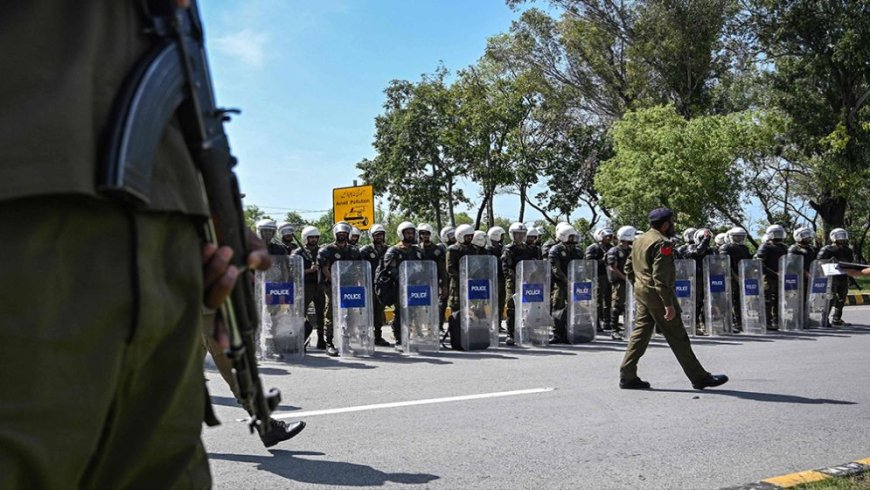
Pakistan was set on Friday to host delegations from the United States and Iran for high-stakes negotiations in its capital, though Tehran’s participation remained uncertain following deadly Israeli strikes on Lebanon that threatened a fragile truce.
Meanwhile, the US State Department confirmed that Israel and Lebanon are expected to hold talks in Washington next week, as growing international concern mounts that Israel’s ongoing bombardment could undermine the already tenuous two-week US-Iran ceasefire.
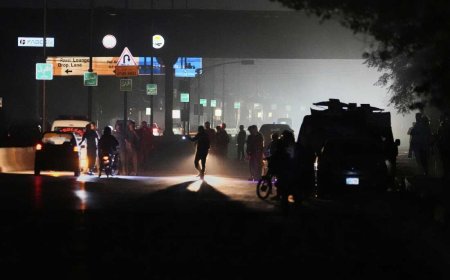
Islamabad continued preparations for the talks, which are expected to address several sensitive issues, including Iran’s nuclear enrichment programme and the free flow of trade through the strategically vital Strait of Hormuz. Security was tightened across the capital, and the luxury hotel designated for the delegations was cleared of its regular guests.
However, Iran signalled that its participation may depend on a halt to Israeli attacks in Lebanon. Foreign ministry spokesman Esmaeil Baqaei stated that any negotiations to end the war would hinge on the United States honouring its ceasefire commitments across all fronts, particularly in Lebanon. He added that details of the delegation would be announced once travel plans were finalised.
Despite the uncertainty, Iran’s Revolutionary Guards indicated they were adhering to the ceasefire, asserting that no military actions had been carried out during the agreed truce period.
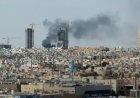
Tensions escalated after Israel launched its heaviest strikes on Lebanon since Hezbollah entered the conflict in early March, killing hundreds and shaking the ceasefire less than 48 hours after it came into effect.
Pakistan has maintained that Lebanon is covered under the ceasefire, while Washington has pushed to include Beirut in parallel discussions. A US official confirmed that a meeting would be held next week to advance ceasefire negotiations between Israel and Lebanon.
Neither Israel nor Lebanon has formally confirmed participation, although the announcement followed Israeli Prime Minister Benjamin Netanyahu’s directive to pursue direct dialogue with Lebanon, focusing on disarming Hezbollah.
A Lebanese official said Beirut would require a ceasefire before entering any talks with Israel.
Hostilities continued overnight, with air raid sirens sounding in Tel Aviv and other parts of Israel. Hezbollah reported carrying out drone and rocket attacks on Israeli forces and northern towns.
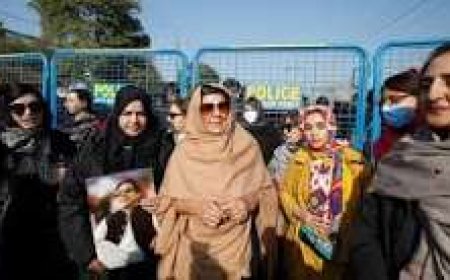
Israel’s refusal to halt operations in Lebanon has cast doubt over the Pakistan talks. In Islamabad, heightened security and a two-day public holiday left much of the city deserted ahead of the expected arrivals.
The truce was intended to facilitate negotiations aimed at ending a conflict that has claimed thousands of lives and disrupted the global economy.
Iranian officials warned that continued Israeli strikes had rendered the Pakistan talks “meaningless,” stressing that Lebanon must be treated as an integral part of the ceasefire. Iran’s ambassador to Pakistan also deleted a social media post indicating an imminent visit by an Iranian delegation.
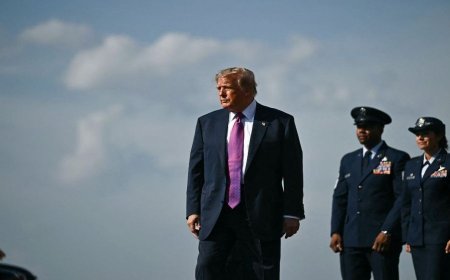
The US delegation is expected to be led by Vice President JD Vance, accompanied by special envoy Steve Witkoff and Jared Kushner.
Tensions in the mediation effort were further exposed after Pakistan’s Defence Minister Khawaja Asif posted — and later deleted — a strongly worded criticism of Israel’s actions in Lebanon.
Israel condemned the remarks as unacceptable, particularly from a country positioning itself as a neutral mediator. Pakistan does not formally recognise Israel, a factor that could complicate its diplomatic role.
Amid fears of a collapse in the ceasefire, German Chancellor Friedrich Merz warned that continued destruction in Lebanon could derail the broader peace process.
Netanyahu, maintaining that Lebanon is not covered by the truce, reiterated that Israel would continue to target Hezbollah wherever necessary. Former US President Donald Trump, however, said Israel appeared to be scaling back its operations and suggested future strikes would be more restrained.
If talks proceed, a major point of contention will be the Strait of Hormuz, a critical global energy route. Trump accused Iran of failing to uphold commitments to ensure the free passage of oil tankers and warned against imposing restrictions on the waterway.
Shipping data indicated that a Gabon-flagged oil tanker passed through the strait on Thursday — the first non-Iranian vessel to do so since the ceasefire was announced.
What's Your Reaction?