


































































The UN has issued a warning about escalating heat-related dangers across Asia and the Pacific
The UN has issued a warning about escalating heat-related dangers across Asia and the Pacific.

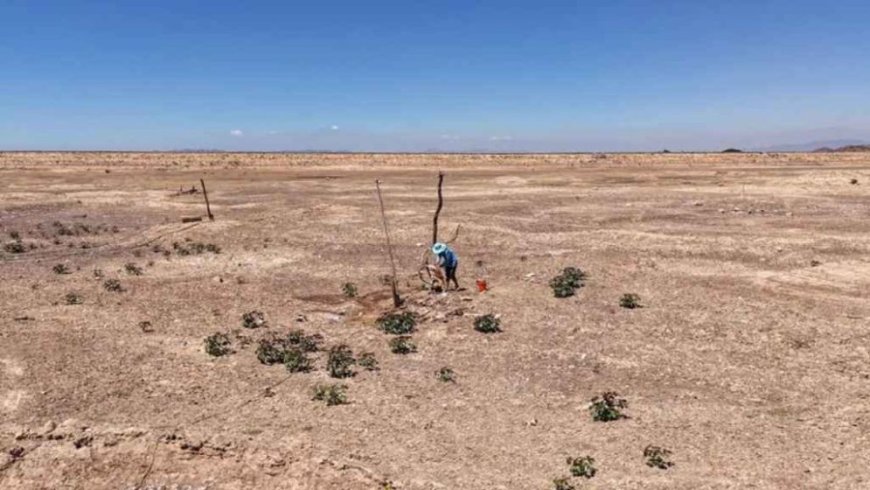
Extreme heat is transforming the disaster landscape across Asia and the Pacific, emerging as the region’s fastest-growing climate-related threat, according to the Asia-Pacific Disaster Report 2025: Rising Heat, Rising Risk.
Released on Wednesday (26 Nov) by the United Nations Economic and Social Commission for Asia and the Pacific (ESCAP), the report warns that rising temperatures are “impacting all, everywhere,” with escalating risks to food security, public health, cities, rural livelihoods, infrastructure and ecosystems.
In 2024—the hottest year ever recorded—many countries in the region endured severe heatwaves. Bangladesh saw around 33 million people affected, while India recorded nearly 700 heat-related deaths, ESCAP noted in a press release.
New projections underline the magnitude of the challenge. By 2100, annual disaster losses in the region could rise from US$418 billion under current conditions to US$498 billion in a worst-case climate scenario.
Dangerously hot days are expected to surge, especially across South and South-West Asia, parts of South-East Asia and northern and eastern Australia, pushing many areas toward chronic heat exposure.
Cities face particularly acute risks. Major urban centres—including Seoul, Tokyo, Beijing, Delhi, Karachi, Dhaka, Manila, Jakarta and Phnom Penh—are projected to grow much hotter, with the urban heat island effect adding 2°C to 7°C on top of global warming. Vulnerable groups such as children, older adults and outdoor low-wage workers in densely populated areas are at the greatest risk.
“Heat knows no borders; therefore, policy responses must anticipate impacts, reduce exposure and vulnerability at scale and protect those most at risk,” said Armida Salsiah Alisjahbana, UN Under-Secretary-General and Executive Secretary of ESCAP. “With urgency, clarity and cooperation, lives and livelihoods across the region can be safeguarded.”
The report urges coordinated, long-term strategies rooted in science, innovation and regional collaboration. It stresses the importance of integrating heat into multi-hazard planning and expanding heat-ready early warning systems with interoperable alerts, standardized metrics and reliable last-mile communication.
Currently, only 54% of global meteorological services issue extreme temperature warnings. Expanding heat-health warning systems to just 57 more countries could save an estimated 100,000 lives annually, the report says.
To support countries facing intensifying heat risks, ESCAP plans to roll out three regional initiatives: expanding climate-resilient and inclusive social protection; creating cross-border green cooling corridors; and deploying advanced space-based technologies to bolster heat preparedness and early warning systems.
The report was unveiled at the Ninth Session of the Committee on Disaster Risk Reduction, which runs through 28 November 2025 in Bangkok, serving as the regional platform to assess evolving disaster risks and explore future-oriented resilience solutions.
What's Your Reaction?