























































International Anti-Corruption Day: Tarique Rahman says BNP will renew anti-graft drive if returned to power
International Anti-Corruption Day: Tarique Rahman says BNP will renew anti-graft drive if returned to power

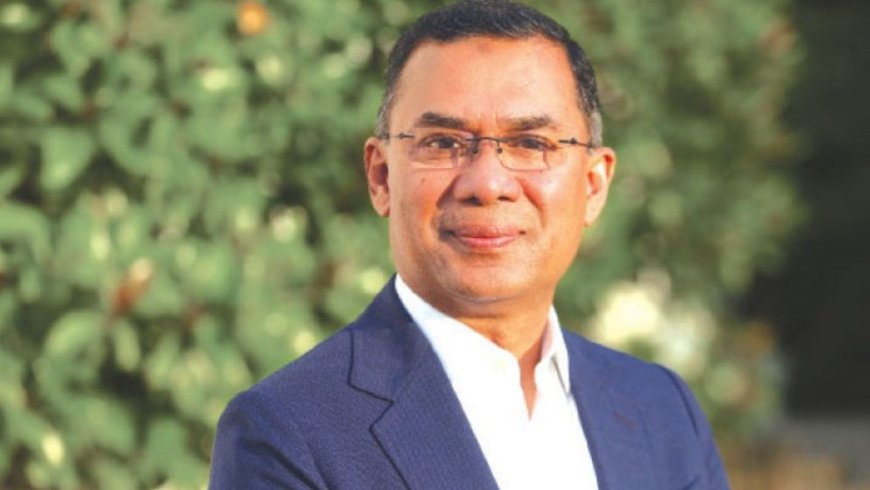
BNP Acting Chairman Tarique Rahman has said the party will revive its fight against corruption if the public once again entrusts it with governing responsibility.
“How does corruption hold Bangladesh back? Ask a graduate seeking a job on merit. Ask a farmer waiting months for a basic service. Look at young families struggling to access healthcare or entrepreneurs forced to pay unofficial costs just to keep their businesses afloat. From food prices and school quality to road safety, corruption burdens millions every day,” he wrote in a Facebook post on Tuesday (9 December).
Marking International Anti-Corruption Day, he said the fight against graft has shaped Bangladesh’s governance debates for decades, noting that past periods of real progress were achieved under BNP administrations.
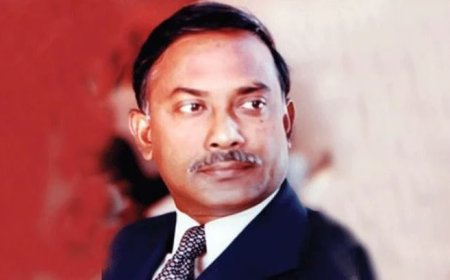
He highlighted early governance reforms under President Ziaur Rahman, which prioritised administrative discipline, cleaner public service and economic liberalisation that reduced discretionary control. Later, Prime Minister Khaleda Zia’s governments strengthened institutions through procurement rules, financial administration laws, enhanced audits and clearer oversight mechanisms.
A major milestone, he said, was the establishment of the Anti-Corruption Commission (ACC) in 2004 as an independent statutory body—replacing the Bureau of Anti-Corruption and aligning Bangladesh with global standards. Development partners including the World Bank and ADB acknowledged this as a significant step toward greater accountability.
Despite BNP’s concerns at the time over Transparency International Bangladesh’s methodology, he noted that Bangladesh’s CPI score improved from 1.2 in 2002 to 1.7 in 2005, while the Global Corruption Barometer (2003) reported that 66% of citizens felt corruption had declined—reflecting reforms that improved clarity, reduced discretion and expanded oversight.
Tarique Rahman listed key achievements from BNP administrations, including more disciplined financial governance, early procurement reforms, market liberalisation, and steps toward decentralisation and civil service improvements. He said the party takes pride in being the only political force to deliver sustained progress in curbing corruption.
He added that BNP aims to renew this agenda through institutional independence, greater transparency and accountability, judicial and law-enforcement reform, deregulation and e-governance, whistleblower protection, civic ethics education and stronger financial oversight.
“After years of systemic abuse, fighting corruption will not be easy. But Bangladesh’s own history shows progress is possible. With commitment, discipline and public support, meaningful reform can return. If entrusted by the people, BNP is ready to lead that fight once again,” he said.
What's Your Reaction?