


























Commission: Hasina and Awami League were responsible for BDR massacre
Taposh appointed ‘chief coordinator’; foreign involvement alleged

The National Independent Investigation Commission, formed to probe the brutal killings carried out during the BDR mutiny in February 2009, has concluded that ousted authoritarian prime minister Sheikh Hasina and senior Awami League figures orchestrated the massacre “in collaboration with a neighbouring country.”
According to the commission, former MP and ex–Dhaka South mayor Sheikh Fazle Noor Taposh served as the operation’s “chief coordinator.” The report says the killings — which claimed at least 73 lives, including 56 Army officers — resulted from a pre-planned political and externally backed plot executed between 25 and 26 February 2009.
Investigators say the conspiracy began taking shape as early as 2008, exploiting rising frustration among BDR rank-and-file troops who were resentful of serving under Army officers on deputation. This internal vulnerability, they argue, was “used to carry out the plan,” allowing political actors and foreign collaborators to trigger a sequence of events aimed at weakening Bangladesh’s military establishment.
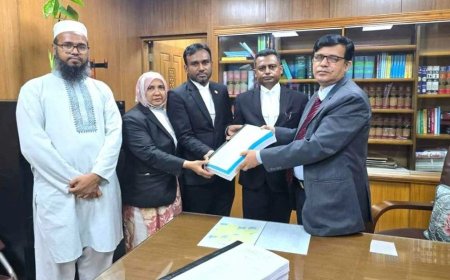
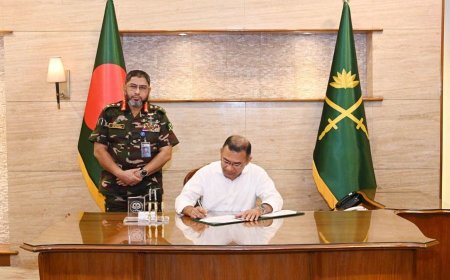
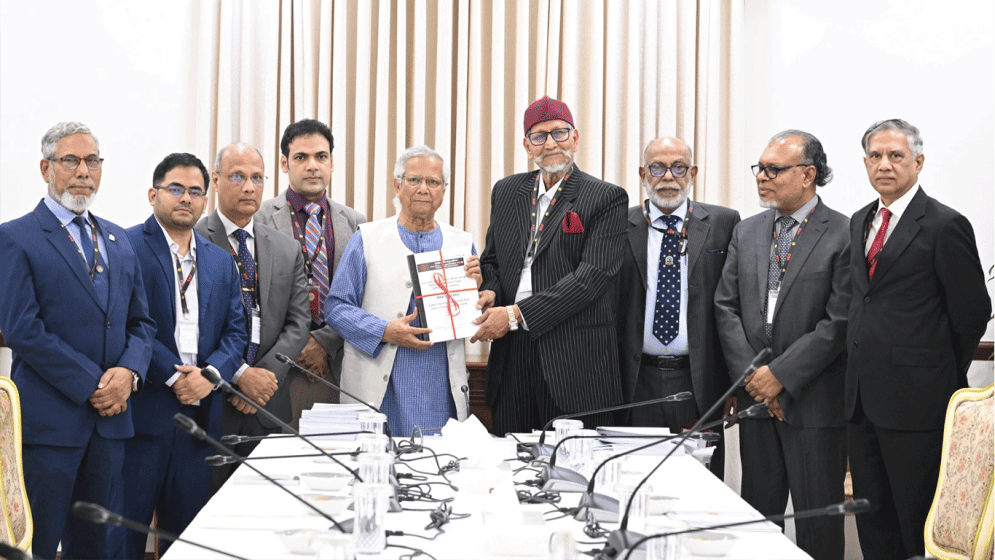
The findings — which sharply contradict the version upheld by the former Awami League government — were formally handed over to Chief Adviser Prof Muhammad Yunus at State Guesthouse Jamuna on Sunday.
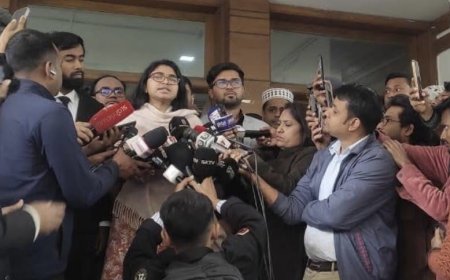
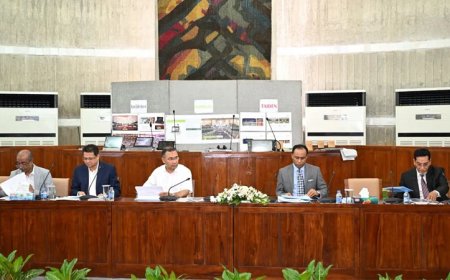
Later, commission chairman Maj Gen (Retd) ALM Fazlur Rahman briefed the media at the Bangladesh Reference Institute for Chemical Measurements, presenting an account that implicates top politicians, security officials and foreign nationals.
Senior AL figures, security officials and foreign nationals named
Initially reluctant to name individuals, Fazlur Rahman eventually confirmed that the commission’s findings directly implicate Hasina and several senior figures.
“Apart from the force members, politicians were also involved. The number-one person is Sheikh Hasina. Barrister Fazle Noor Taposh, Sheikh Selim, Mirza Azam, Jahangir Kabir Nanak, then home minister Sahara Khatun, then Army chief Moeen U Ahmed, the PM’s security adviser Tarique Ahmed Siddique, and DGFI chief Gen Akbar were among those involved,” he said.
He added that both BDR personnel and “people from India” directly participated in the killings. The motives, he said, included weakening Bangladesh’s Army and serving “other purposes” detailed in the report.
According to the commission, the then government sought to entrench itself in power, while a neighbouring state aimed to destabilise Bangladesh. When asked to identify the country, Fazlur Rahman replied: “Neighbouring country means India, where former prime minister Sheikh Hasina has taken refuge with her associates.”
Exploiting discontent within BDR
The chairman said that the plot capitalised on longstanding grievances inside the BDR.
“There was resentment among the BDR members over Operation Dal-Bhat and the BDR shops. Their duties increased, the force lost focus on its classical role, and many didn’t want to work under Army officers. We found several tensions inside the force,” he said.
These tensions, the commission claims, laid the groundwork for the mutiny to escalate into mass killings.
Foreign presence, missing records
The report alleges that around 921 Indian nationals entered Bangladesh around the time of the mutiny, and investigators could not confirm how 67 of them later departed.
“They came through the airspace and should have returned the same way, but… we have asked the government to seek answers regarding their exit,” said Fazlur Rahman.
Families of the slain officers testified that some attackers spoke Hindi during the siege at Pilkhana.
“They tortured the martyrs’ family members in various ways — breaking hands, gouging eyes, brutal physical assault,” he said.
Security agencies failed; RAB was blocked
The report strongly criticises the police, RAB and intelligence agencies for what it calls serious failures during the crisis. Darbar Hall, where most officers were killed, was only 30–40 metres from Gate No. 5, where RAB was stationed.
“RAB or police can intervene without high-level approval when a crime occurs. But RAB did nothing,” said Fazlur Rahman.
RAB members told the commission that then additional director Lt Col Rezanur stopped them from intervening. “We included this in the report.”
He also cited comments by then Army chief Gen Moeen: “Gen Moeen said if we took action, India might intervene. In 1971 they left after helping, but this time they might stay.”
Intelligence lapses and structural weaknesses
Calling the episode a “massive intelligence failure,” the commission recommends reforms across the Army, BGB and police to ensure better crisis coordination and to fix structural weaknesses in security-sector policymaking.
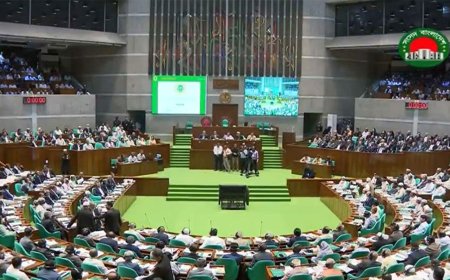
Investigators reviewed extensive evidence: more than 600 video files, 800 photographs, 215 news reports, and testimonies from 247 individuals — including families of victims, politicians, military officers, civil servants, police, journalists, prisoners and former BDR members. They visited 27 institutions and also examined parliamentary proceedings from 15 February to 30 March 2009.
Earlier comments: A “pre-planned attack” aided by political actors
Commission member Maj Gen (Retd) Md Jahangir Kabir Talukder had earlier said the attack was “pre-planned” and facilitated by political actors. He claimed that local Awami League leaders entered Pilkhana in a small group but exited “with a far larger crowd.”
Chief Adviser: Nation was kept in the dark
Receiving the report, Prof Yunus said the country had “long been kept in the dark” about the true nature of the massacre. He described the commission’s findings as “a valuable asset” that would help the nation find answers and move towards justice.
The report also contains recommendations to strengthen discipline within security forces and support families of those killed.
What's Your Reaction?