




















































Focus on growth proves counterproductive as manufacturing sheds 1.4 million jobs in a decade
Survey finds gap between sectoral expansion and employment growth

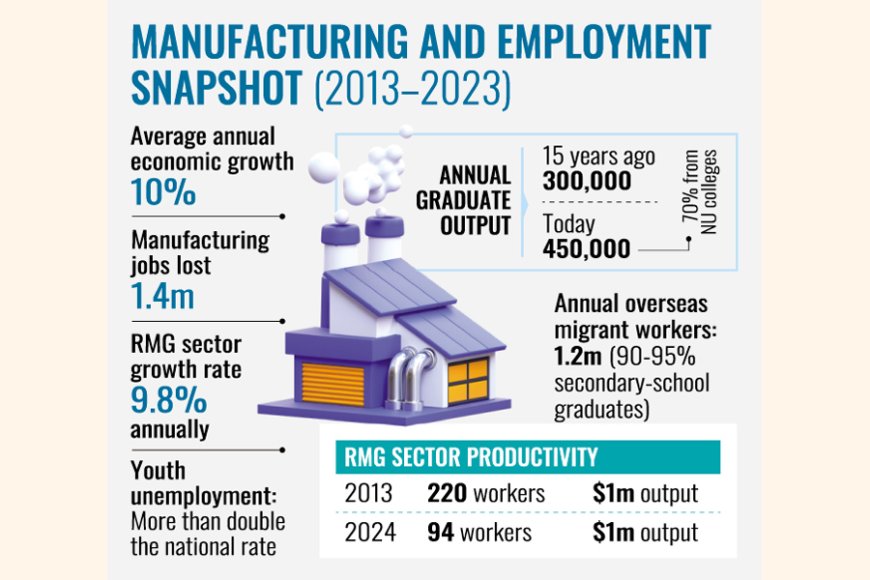
Bangladesh’s productive sector grew at an impressive average rate of 10 per cent annually between 2013 and 2023, yet this expansion failed to generate matching employment gains.
Instead, the manufacturing sector shed 1.4 million jobs over the decade. Economists are now calling for a shift away from a growth-first strategy toward policies that directly prioritise employment, according to a new report released Sunday by Research and Policy Integration for Development (RAPID).
The study finds that although both export-oriented garments and domestic manufacturing continued to increase in value, employment declined steadily—underscoring a clear pattern of jobless growth.
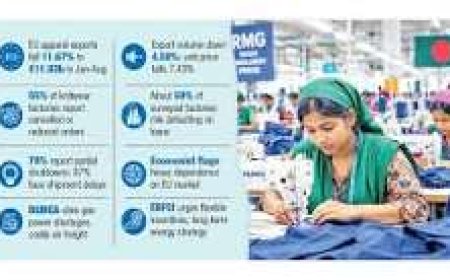
In the ready-made garment (RMG) industry, the country’s largest employer and top export earner, productivity surged as factories rapidly adopted new technologies. In 2013, producing and exporting US$1 million worth of garments required 220 workers; by 2024, the same output needed just 94, RAPID estimates.
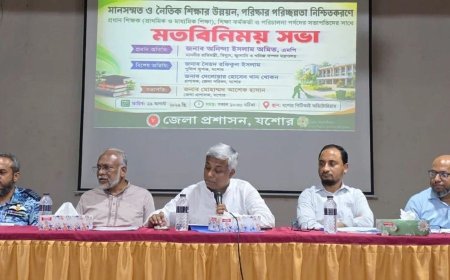
“Youth unemployment is now more than double the national average,” said Dr MA Razzaque, Chairman of RAPID, while presenting the keynote paper—Beyond Jobless Growth: Towards an Employment-Centred Policy Framework for Bangladesh Through a Post-Neoliberal Lens—at an event in Gulshan.
The session was jointly hosted by RAPID and the German research organisation Friedrich-Ebert-Stiftung (FES).
Dr Razzaque attributed the intensifying jobs crisis to policy missteps by the previous government, arguing that its disproportionate focus on a single sector—primarily RMG—left the broader industrial base underdeveloped.
He cautioned that despite an unrealised demographic dividend, Bangladesh risks becoming an ageing society within the next 15 to 20 years, well before reaching developed-country status—an outcome he described as deeply worrying.
He noted that while agriculture’s share in GDP has fallen sharply, manufacturing’s share did not rise as expected. Although the RMG sector grew by 9.8 per cent annually and non-RMG industries expanded at nearly the same pace, Bangladesh is now facing what he termed “premature deindustrialisation”—a trend also seen in many African economies.
“We witnessed economic expansion over the last decade, but jobs did not follow because policy attention remained too narrowly concentrated,” he said.
He urged the government to adopt an employment-centred policy framework to prevent further erosion of manufacturing jobs in the coming years.
Speaking as chief guest, former caretaker government adviser Dr Hossain Zillur Rahman said Bangladesh was once viewed as a resilient nation with a resilient economy. But today, he argued, the country is caught in a state of “joyless resilience”—where resilience no longer brings comfort, as Bangladesh remains locked in a continuous cycle of crises.
Labour and Employment Secretary Md Sanowar Jahan Bhuiyan chaired the session. Special guests included Max Tunon, ILO Country Director, and Prof Saima Haque Bidisha, Pro-Vice-Chancellor and Professor of Economics at the University of Dhaka.
In his remarks, Dr Hossain Zillur outlined a triangular framework for understanding Bangladesh’s development trajectory. Between 2016 and 2022, he said, the country was trapped in a “triangle of vicious cycles”—a period when growth failed to generate sufficient jobs, inequality was sidelined in policy discussions, and governance became increasingly compromised by corruption and vested interests.
He added that a series of crises since 2022 has further exposed the country’s structural vulnerabilities.
To break this cycle, Dr Rahman stressed three essentials: credible elections and genuine political representation, people-centred governance, and a renewed social contract between the state and citizens.
Speaking at the event, Prof Saima Haque Bidisha said women entrepreneurs still face significant institutional barriers. She also noted that children from farming households are becoming increasingly reluctant to return to agriculture.
She emphasised the need to create new opportunities and promote agro-based industrialisation. Targeted policies for the freelancing and informal sectors, she added, could significantly boost employment and economic growth.
During the panel discussion, BDJobs Chief Executive Officer AKM Fahim Mashroor pointed out that while Bangladesh produced about 300,000 graduates a year fifteen years ago, more than 450,000 now enter the job market annually—70 per cent of them from colleges under the National University.
What's Your Reaction?