






















































Bangladesh moves to end BPC’s monopoly in the fuel market
Private firms may be allowed to import, distribute and sell petroleum products under proposed policy

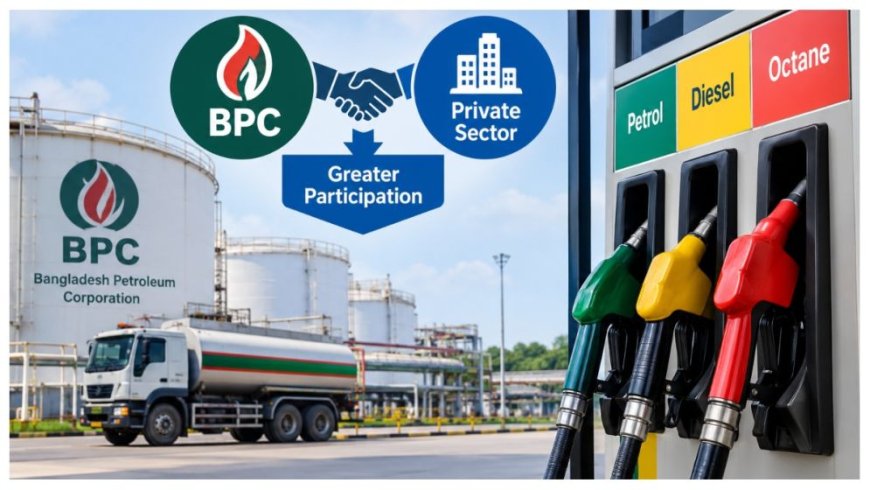
The government is taking steps to open Bangladesh’s petroleum market to private companies, potentially allowing them to import, distribute and market fuel alongside the state-owned Bangladesh Petroleum Corporation (BPC).
The proposed policy is intended to ensure an uninterrupted supply of petroleum products, particularly during crises, while encouraging private investment and improving the country’s fuel-storage and distribution infrastructure.
According to sources, the government has already tasked BPC with drafting a policy framework that would enable private companies to import petroleum products and subsequently distribute and sell them through retail outlets.
“I think there should be a policy to allow the private sector to engage in the petroleum business on a limited scale, not exceeding 30 per cent,” a senior official of the Energy and Mineral Resources Division (EMRD) under the Ministry of Power, Energy and Mineral Resources (MPEMR) told the media on Thursday.
The official said allowing private companies to participate could significantly expand the country’s overall fuel-storage capacity. Their existing infrastructure and investments could also be utilised more efficiently, he added.
Currently, BPC handles the bulk of Bangladesh’s petroleum imports, including crude oil and refined products such as diesel, furnace oil, jet fuel and octane.
Several privately owned companies, including Super Petrochemical PLC, Petromax Refinery PLC and Acqua Refinery Ltd, use locally sourced and imported condensate and naphtha to produce diesel, petrol and octane.
However, these private refineries are not permitted to sell their petroleum products directly to consumers at the retail level. Instead, they supply their output to BPC.
Some privately owned furnace-oil-fired power plants also import furnace oil independently for electricity generation.
Under the existing system, BPC effectively controls the distribution and marketing of refined petroleum products to petrol pumps and other retail outlets across the country.
Critics have long argued that BPC’s dominance of the petroleum sector has contributed to fuel theft and pilferage, as well as allegations of product contamination involving unscrupulous employees.
They believe greater private-sector participation could help break BPC’s monopoly and establish a more transparent and competitive fuel market. Such reforms, they argue, could also strengthen national energy security and make the country’s fuel supply chain more resilient.
Market insiders have further suggested that the Bangladesh Energy Regulatory Commission (BERC), rather than BPC, should be responsible for setting petroleum prices under an automated fuel-pricing mechanism.
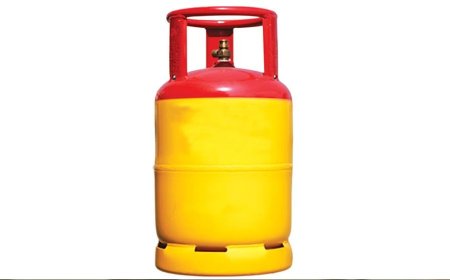
The private sector already has a dominant presence in Bangladesh’s liquefied petroleum gas (LPG) market. Private companies reportedly supply around 98 per cent of the country’s LPG demand, importing approximately 1.7 million tonnes annually.
Industry insiders say this has enabled a large section of the population to access cooking and automotive fuel without direct government involvement in financing or infrastructure.
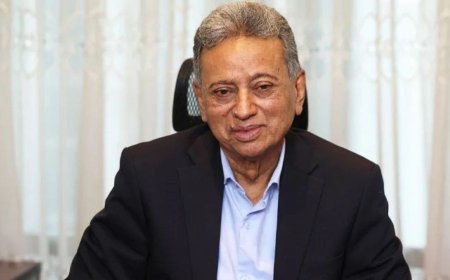
Energy expert Professor M Tamim said the government could consider opening the petroleum sector to greater private participation, provided robust regulatory oversight is put in place.
“But there should be strong monitoring to ensure that common people benefit from market liberalisation,” said Tamim, who is also Vice-Chancellor of Independent University, Bangladesh (IUB).
What's Your Reaction?