
















































Trump predicts quick end to war as Iran reviews US peace proposal
Trump predicts quick end to war as Iran reviews US peace proposal.

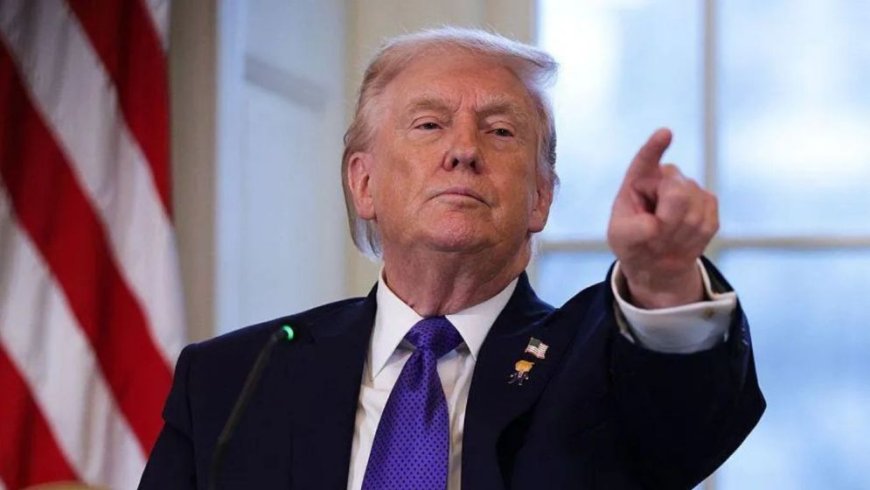
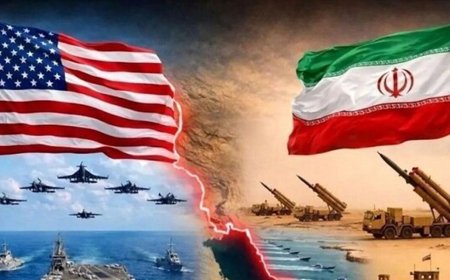
US President Donald Trump expressed confidence that the war with Iran could end soon as Tehran reviewed a US-backed peace proposal, though major issues — including Iran’s nuclear programme and the reopening of the Strait of Hormuz — remain unresolved.
An Iranian foreign ministry spokesperson, quoted by ISNA news agency, said Tehran would deliver its response to the proposal, while Iranian lawmaker Ebrahim Rezaei dismissed it as “more of an American wish-list than a reality.”
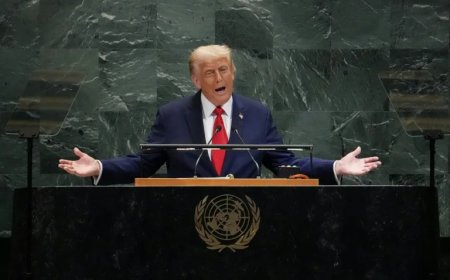
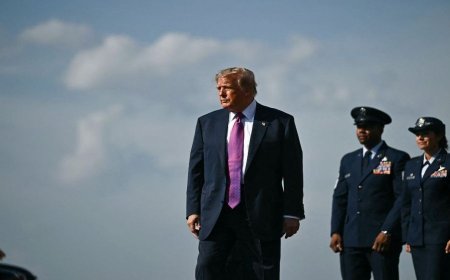
“They want to make a deal. We've had very good talks over the last 24 hours, and it's very possible that we'll make a deal,” Trump told reporters in the Oval Office on Wednesday, later adding that “it'll be over quickly.”
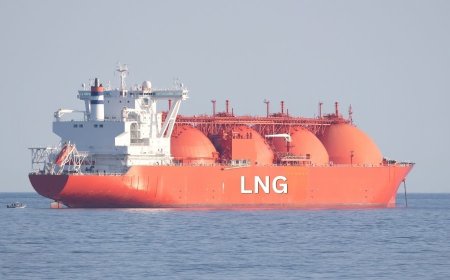
Trump has repeatedly highlighted the possibility of a deal to end the conflict, which began on February 28, although no breakthrough has yet been reached. Key disputes persist over Iran’s nuclear ambitions and its control of the Strait of Hormuz, a vital route that previously handled about one-fifth of global oil and gas supplies.
According to a Pakistani source and another person familiar with the mediation efforts, both sides were nearing agreement on a one-page memorandum that would formally end the conflict. The proposed framework would pave the way for negotiations on reopening shipping through the strait, easing US sanctions on Iran, and placing limits on Tehran’s nuclear activities.
However, Mohammad Baqer Qalibaf appeared to mock reports of an imminent breakthrough, writing on social media in English that “Operation Trust Me Bro failed.” He suggested the reports were part of a US media campaign following Washington’s inability to reopen the Strait of Hormuz.
Hopes for a deal sent global oil prices sharply lower on Wednesday, with benchmark Brent crude briefly dropping about 11% to nearly $98 a barrel before recovering above $100. Global stock markets rose while bond yields declined amid expectations that the conflict could soon ease.
“The contents of the US-Iran peace proposals are thin, but there is an expectation in the market that further military action will not take place,” said Takamasa Ikeda.
Trump on Tuesday suspended a US naval mission aimed at reopening the blockaded strait, citing progress in diplomatic talks.
Meanwhile, NBC News reported, citing unnamed US officials, that the reversal came after Saudi Arabia restricted US access to a Saudi military base for the operation. Saudi officials were reportedly angered by Washington’s announcement that it would escort ships through the Strait of Hormuz and warned they would deny permission for US military aircraft to operate from Saudi territory or airspace.
The White House did not immediately comment on the report.
Despite the diplomatic push, the US military has continued enforcing its blockade on Iranian shipping in the region. US Central Command said American forces fired on an Iranian-flagged tanker on Wednesday, disabling the vessel as it attempted to reach an Iranian port in violation of the blockade.
Sources involved in the mediation said the negotiations were being led by Trump envoy Steve Witkoff and Trump’s son-in-law Jared Kushner. If both sides accept the preliminary memorandum, it would trigger 30 days of detailed negotiations toward a broader settlement.
However, the reported framework does not address several longstanding US demands previously rejected by Tehran, including restrictions on Iran’s missile programme and ending support for regional proxy militias. The sources also made no mention of Iran’s stockpile of more than 400 kilograms of near-weapons-grade uranium.
What's Your Reaction?