































Pakistan Says 23 of Its Troops, 200 on Afghan Side Killed in Clashes
The two countries have frequently engaged in border clashes since the Taliban took control of Afghanistan in 2021.

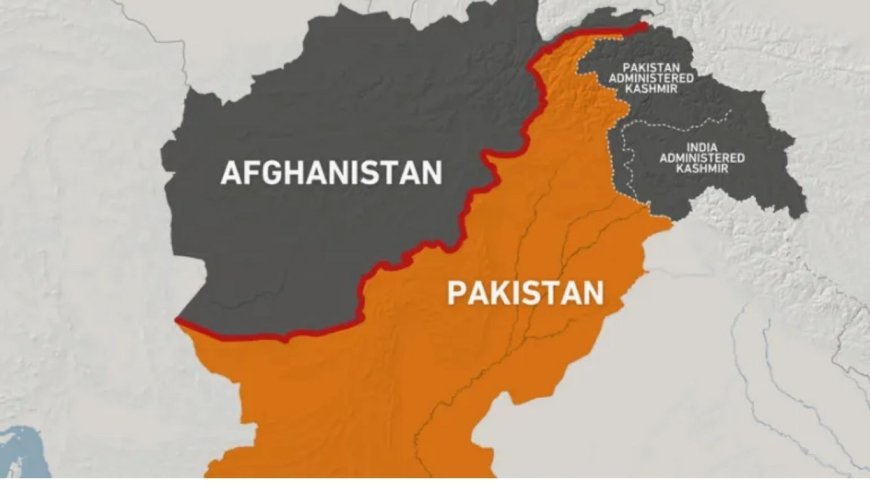
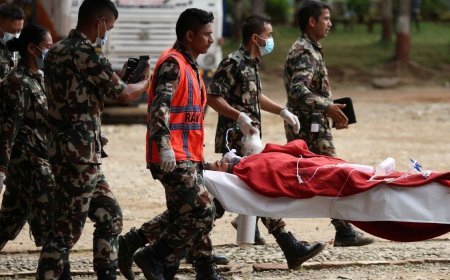
Afghanistan and Pakistan each claimed to have inflicted heavy casualties on the other during a night of intense border clashes, officials said Sunday.
According to Afghan authorities, Taliban forces launched attacks late Saturday along the shared frontier, describing the move as “retaliation for air strikes carried out by the Pakistani army on Kabul” two days earlier.
Islamabad has not confirmed responsibility for those strikes but maintains that it reserves the right to defend itself against rising militancy, which it alleges is being directed from Afghan territory.
Border skirmishes between the two neighbours have been frequent since the Taliban seized control of Afghanistan in 2021. However, reported airspace incursions deep into Afghan territory would mark a major escalation.
Taliban government spokesman Zabihullah Mujahid said Sunday that 58 Pakistani soldiers were killed and about 30 wounded, while nine Taliban fighters also lost their lives.
Pakistan’s military, meanwhile, stated that 23 of its troops and more than 200 Taliban and affiliated fighters were killed. AFP could not independently verify the casualty figures.
Afghan Foreign Minister Amir Khan Muttaqi said the “situation is under control,” adding that “our operation last night achieved its objectives.” He noted that mediation efforts from Qatar and Saudi Arabia had helped bring an end to the fighting.
The Taliban initially described Thursday’s blasts in Kabul as “air strikes,” but later called them “airspace violations,” saying no damage had been found.
‘Strong Response’
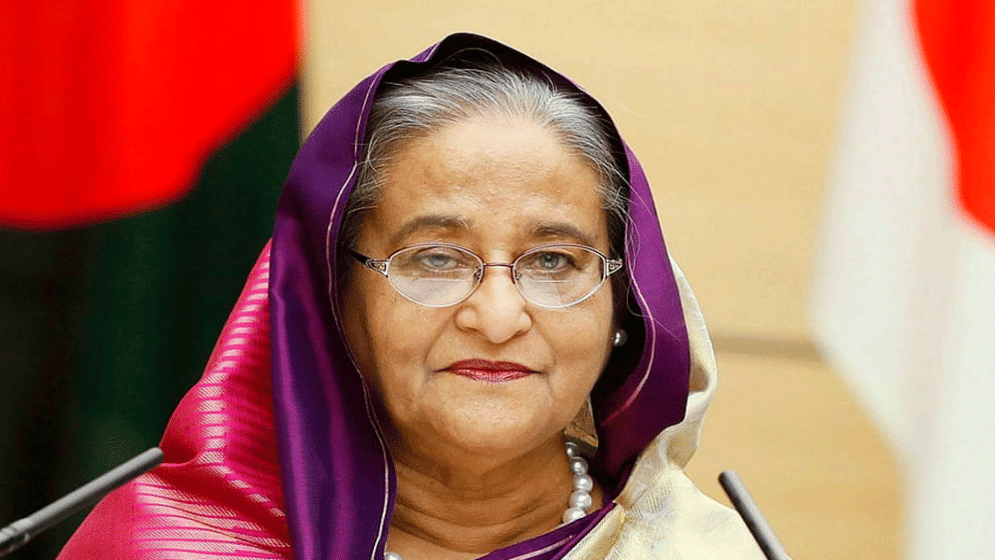
Pakistan Prime Minister Shehbaz Sharif on Sunday “strongly condemned provocations” by Afghanistan, warning that “every provocation will be met with a strong and effective response.” He accused the Taliban authorities of allowing “terrorist elements” to use Afghan soil against Pakistan.
Afghan officials said Taliban forces had engaged in heavy fighting with Pakistani troops in multiple areas late Saturday.
By Sunday morning, border officials told AFP that calm had returned, and no further clashes were reported at major crossings, which remained closed. Additional troops were deployed to the key Torkham crossing between Kabul and Islamabad, where Pakistani officials confirmed no new incidents or casualties.
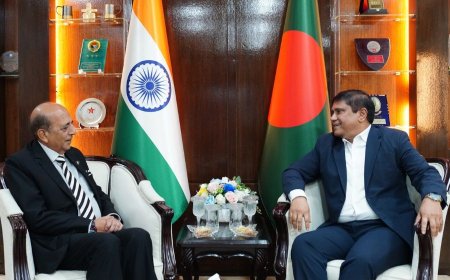
The border violence coincided with Afghanistan’s foreign minister visiting India — his first trip there since the Taliban’s return to power — a move analysts said may have angered Pakistan and contributed to the flare-up.
Resurgent Violence
Militant attacks in Pakistan’s northwestern Khyber Pakhtunkhwa province have surged since the Taliban’s return to power in 2021. Most assaults are claimed by the Pakistani Taliban (TTP), whose insurgency against Pakistani security forces has intensified, making 2025 one of the deadliest years in over a decade.
The escalation has “plunged relations between the neighbours to an all-time low,” said former Pakistani diplomat Maleeha Lodhi. “But there will have to be a return to diplomacy to resolve this confrontation.”
The TTP, though separate from the Afghan Taliban, is closely allied with it, and Islamabad accuses Kabul of allowing the group to operate freely inside Afghanistan.
A recent UN report said the TTP “receives substantial logistical and operational support from the de facto authorities” in Kabul.
Between January and mid-September, more than 500 people — including 311 soldiers and 73 police officers — have been killed in attacks in Pakistan, according to the military.
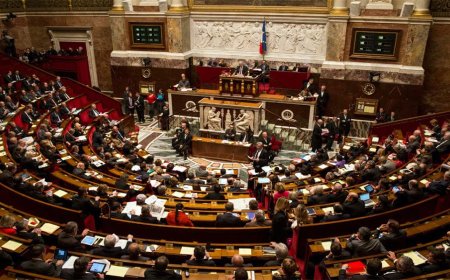
Defence Minister Khawaja Muhammad Asif told parliament Thursday that repeated efforts to persuade the Afghan Taliban to stop backing the TTP had failed.
“Enough is enough,” he said. “The patience of the Pakistani government and army has run out.”
What's Your Reaction?