




























Pakistan carries out airstrikes on Kabul in what is described as an ‘open war’ against Afghanistan’s Taliban government
Pakistan carries out airstrikes on Kabul in what is described as an ‘open war’ against Afghanistan’s Taliban government.

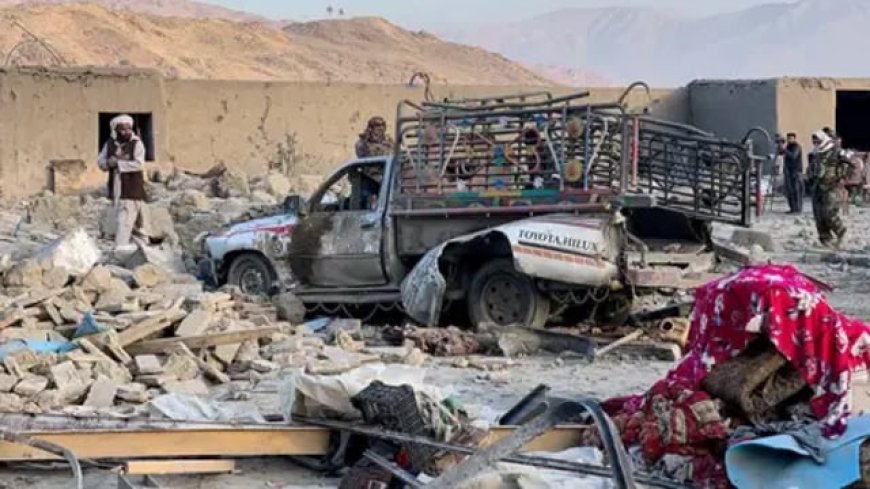
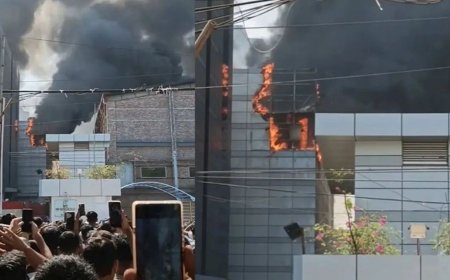
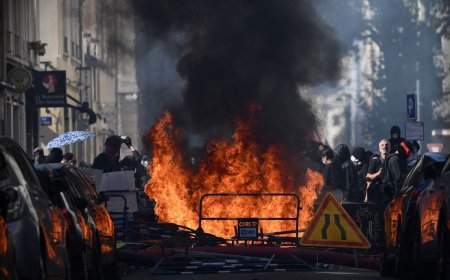
Pakistan carried out air strikes on major Afghan cities, including the capital Kabul, on Friday, as Islamabad’s defence minister declared the two neighbours to be in “open war” after months of escalating tit-for-tat clashes.
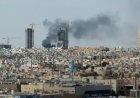
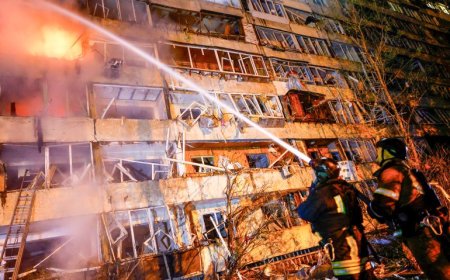
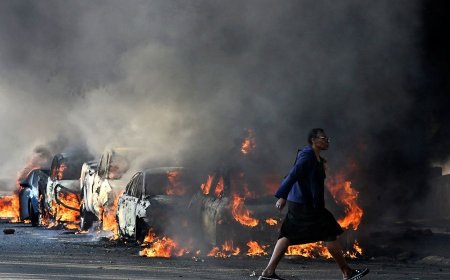
AFP journalists in Kabul and Kandahar reported hearing explosions and fighter jets overhead as Pakistani forces targeted the Afghan capital and Kandahar, the southern stronghold of the Taliban authorities.
The latest Pakistani operation followed an attack by Afghan forces on Pakistani border troops on Thursday night, which Islamabad said was in retaliation for earlier air strikes.
Relations between the neighbouring countries have sharply deteriorated in recent months. Most land border crossings have remained closed since deadly fighting in October left more than 70 people dead on both sides.
Islamabad has accused Afghanistan of failing to rein in militant groups responsible for attacks inside Pakistan — an allegation denied by the Taliban government.
Several rounds of negotiations took place after an initial ceasefire brokered by Qatar and Turkey, but those efforts did not lead to a lasting settlement.
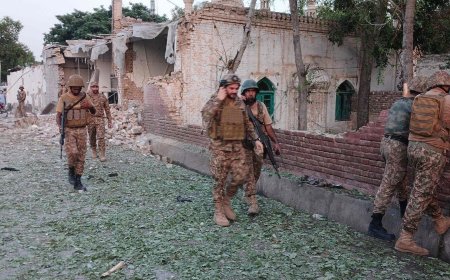
Both militaries claimed to have killed dozens of enemy soldiers in the latest violence, which followed multiple recent Pakistani strikes inside Afghanistan and repeated border clashes.
Pakistani Information Minister Attaullah Tarar said on X that “Afghan Taliban defence targets” had been struck in Kabul, Paktia province and Kandahar. Defence Minister Khawaja Asif described the situation as an “all-out confrontation” with the Taliban government, writing: “Our patience has reached its limit. Now it is open war between us and you.”
Prime Minister Shehbaz Sharif said Pakistan’s armed forces were fully capable of crushing any “aggressive ambitions.”
Jets overhead
In Kabul, AFP journalists reported hearing jets and several loud explosions followed by gunfire over several hours. An AFP reporter in Kandahar — where Taliban supreme leader Hibatullah Akhundzada is based — also heard aircraft overhead.
The Taliban government confirmed the Pakistani air strikes, with spokesman Zabihullah Mujahid saying there were no casualties.
Earlier, Mujahid had announced “large-scale offensive operations” along the border in response to what he described as repeated violations by the Pakistani military. Afghanistan’s defence ministry said eight of its soldiers were killed in the land fighting.
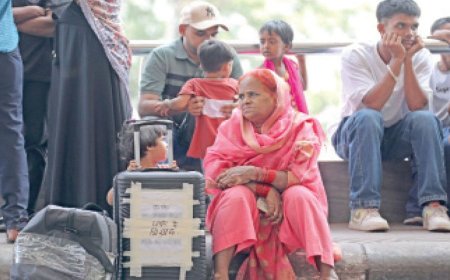
An Afghan official reported that several civilians were wounded near the Torkham border crossing, including at a camp for returnees from Pakistan. Qureshi Badlun, information chief in Nangarhar province, said a mortar shell struck the camp, injuring seven refugees, one of them seriously.
Although the border has largely remained shut since October, Afghan returnees have been permitted to cross.
Months of border violence
Mujahid told AFP that several Pakistani soldiers had been captured alive — a claim denied by the prime minister’s office in Islamabad.
The latest escalation follows overnight Pakistani strikes on Nangarhar and Paktika provinces earlier this week. The United Nations Assistance Mission in Afghanistan said at least 13 civilians were killed in those attacks.
Both sides also reported cross-border fire on Tuesday, though no casualties were confirmed.
The tensions come amid a wave of deadly suicide attacks in both countries in recent months. Among them was an assault on a Shiite mosque in Islamabad that killed at least 40 people and was claimed by the Islamic State group.
The regional affiliate Islamic State – Khorasan Province also claimed responsibility for a suicide bombing at a restaurant in Kabul last month.
Following repeated violations of the initial ceasefire, Saudi Arabia intervened this month, helping to secure the release of three Pakistani soldiers captured by Afghan forces in October.
What's Your Reaction?