
































































Oil prices fall amid hopes for a ceasefire in the Middle East
Oil prices fall amid hopes for a ceasefire in the Middle East.

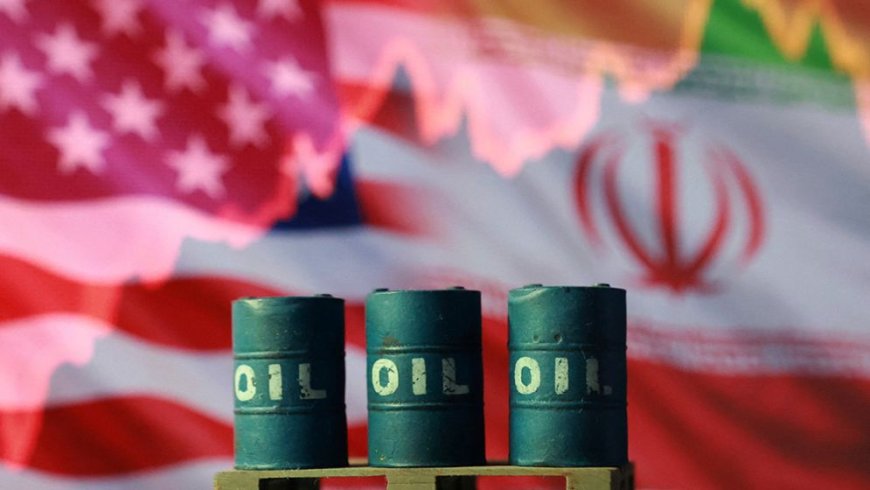
Oil prices dropped sharply on Wednesday, falling about 4% amid growing expectations that a potential Middle East ceasefire could ease supply disruptions in the region. The decline followed reports that the United States had sent Iran a 15-point proposal aimed at ending the conflict.
Brent crude futures fell $4.89, or 4.7%, to $99.60 per barrel by 0335 GMT, after earlier touching $97.57. U.S. West Texas Intermediate (WTI) crude dropped $3.54, or 3.8%, to $88.81 per barrel, having hit a low of $86.72. The pullback came after both benchmarks had surged nearly 5% on Tuesday before retreating in volatile trading.
Market sentiment was influenced by rising hopes for a ceasefire, though analysts noted uncertainty remains over whether negotiations will succeed. Profit-taking also contributed to the decline, even as the broader outlook stayed unclear.
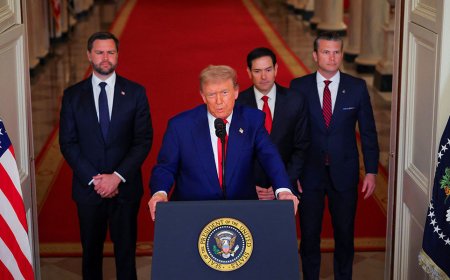
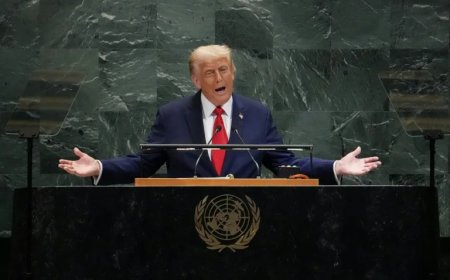
U.S. President Donald Trump said Washington was making progress in talks with Iran, with sources confirming a settlement proposal had been delivered. Reports indicated the U.S. is pushing for a month-long ceasefire to facilitate discussions, including measures such as dismantling Iran’s nuclear program, ending support for proxy groups, and reopening the Strait of Hormuz.
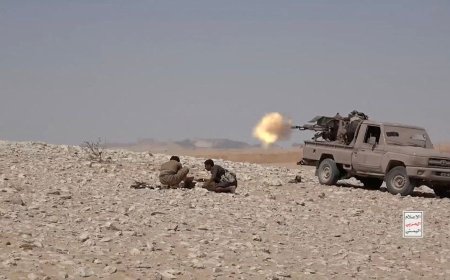
Despite this, analysts warned that oil markets are likely to remain volatile, with Middle East developments continuing to drive price movements. The ongoing conflict has severely disrupted shipments through the Strait of Hormuz—one of the world’s most critical energy routes—leading to what the International Energy Agency has described as an unprecedented supply shock.
Experts also cautioned that even if a ceasefire is reached, it may take time for full production and flows to resume, depending on how durable any agreement proves to be.
Meanwhile, diplomatic efforts continue, with Pakistan offering to host talks between the U.S. and Iran. Iran has indicated that non-hostile vessels may pass through the Strait if they coordinate with its authorities, though military activity in the region persists and the U.S. is reportedly preparing to deploy additional troops.
To mitigate disruptions, Saudi Arabia has ramped up exports from its Red Sea port of Yanbu, with shipments rising to nearly 4 million barrels per day last week.
In the United States, oil inventories increased, with crude stocks rising by 2.35 million barrels in the week ending March 20, alongside gains in gasoline and distillate supplies, according to market sources citing industry data.
What's Your Reaction?