








































Writ Petition Challenges ICT Act, Alleges Tribunal Used as Instrument of ‘Judicial Killings’
Writ Petition Challenges ICT Act, Alleges Tribunal Used as Instrument of ‘Judicial Killings’

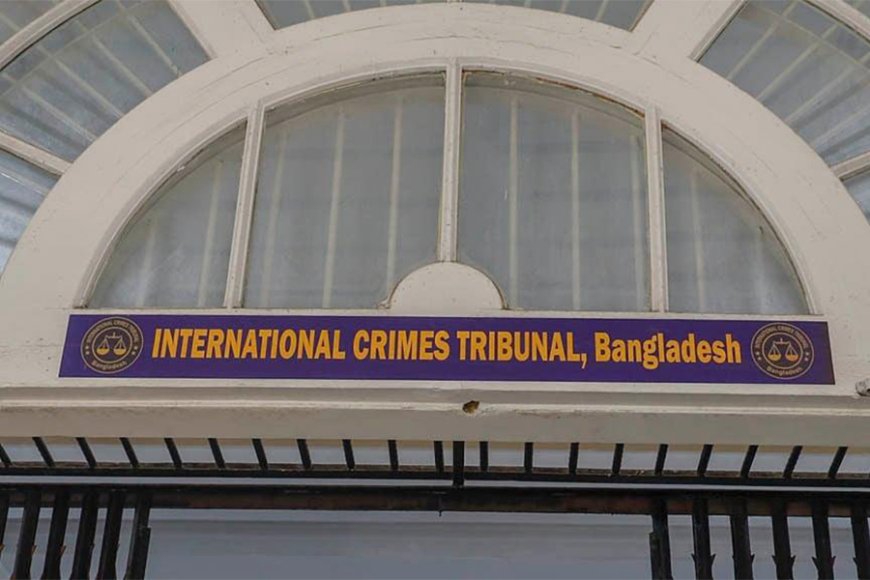
A lawyer of the Supreme Court has filed a writ petition challenging the legality of the International Crimes Tribunal (ICT) Act, calling it unconstitutional and seeking its repeal. The petition also alleges that the tribunal has been used as a vehicle for “judicial killings”.
The secretary of the Ministry of Law, Justice and Parliamentary Affairs has been named as a respondent.
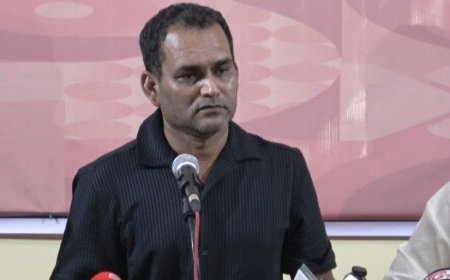
Petitioner Muhammed Mohshen Rashid, a Supreme Court lawyer and president of a faction of the Bangladesh Muslim League, said the writ petition had been placed before a High Court bench headed by Justice Khizir Hayat for hearing.
Speaking to bdnews24.com on Wednesday, Rashid said the petition was filed several days ago and would be presented again once the court fixed a hearing date.
When asked whether a date had been set, he said none had yet been scheduled but expressed hope that the matter would be heard soon.
Outlining the basis of the petition, Rashid argued that the ICT Act was unlawful and served no valid legal purpose.
He claimed that amendments introduced in 2009 were subsequently used to facilitate what he described as “judicial killings”, and alleged that further amendments made in 2024 had strengthened that function.
According to Rashid, the tribunal should be abolished because it had become a mechanism through which individuals could be executed under the guise of judicial proceedings.
He also warned that future amendments to the law could potentially be used against those currently holding power.
Bangladesh enacted the International Crimes Tribunal Act in 1973 to prosecute crimes against humanity committed during the Liberation War.
The legislation was amended in 2009 to permit the prosecution of both individuals and organisations and to ensure the tribunal’s independent operation.
Following those changes, the tribunal began trying senior leaders of Jamaat-e-Islami in 2010 over alleged war crimes committed during the 1971 Liberation War.
Subsequently, death sentences handed down by the tribunal were carried out against five senior Jamaat leaders and one leader of the Bangladesh Nationalist Party (BNP).
After the Awami League government was ousted during the July Uprising of 2024, the interim administration led by Muhammad Yunus designated the same tribunal to hear cases involving alleged crimes against humanity linked to the crackdown on the movement.
The law was amended once again to allow the prosecution of the Awami League as an organisation.
Since the tribunal was reconstituted, it has delivered verdicts in four cases, sentencing former prime minister Sheikh Hasina and 12 others to death.
What's Your Reaction?