






























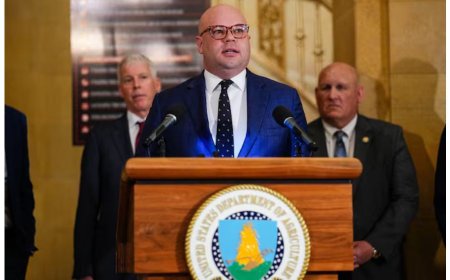
























Swapon has urged Jamaat to clarify its position on Sharia law
He said a society that embraces diversity as a strength is far more civilised and developed.

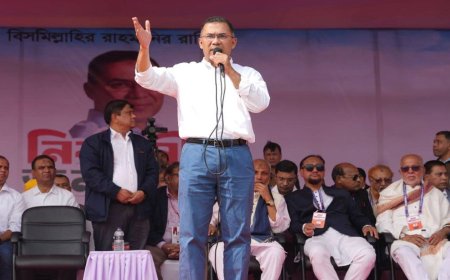
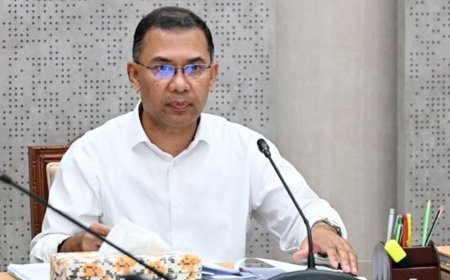
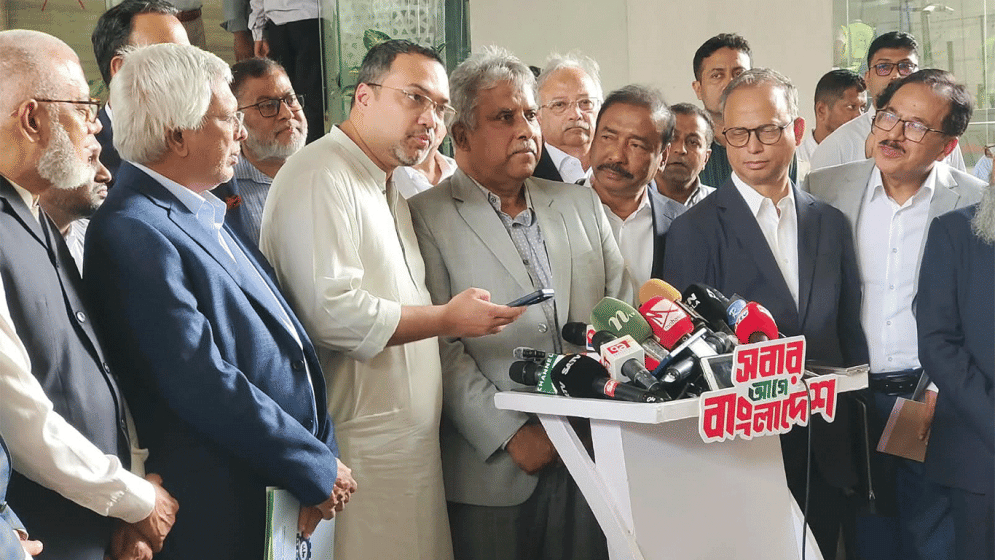
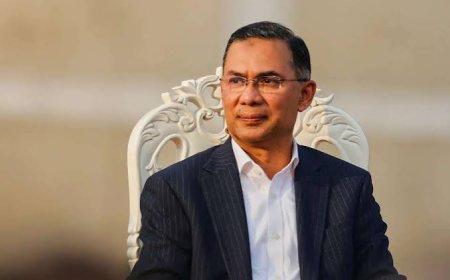
Information and Broadcasting Minister Zahir Uddin Swapon on Thursday said Bangladeshi nationalism embraces pluralism and diversity in politics, while urging Jamaat-e-Islami Bangladesh to clarify its stance on Sharia law to dispel public confusion.
“Do they want to come to power by following the existing constitutional framework, or are they pursuing politics with the promise of establishing Sharia law?” he questioned.
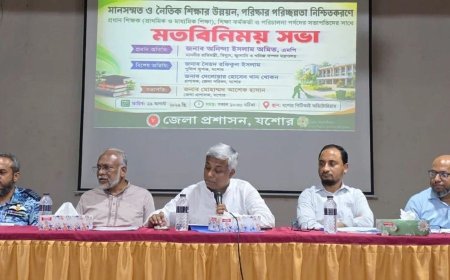
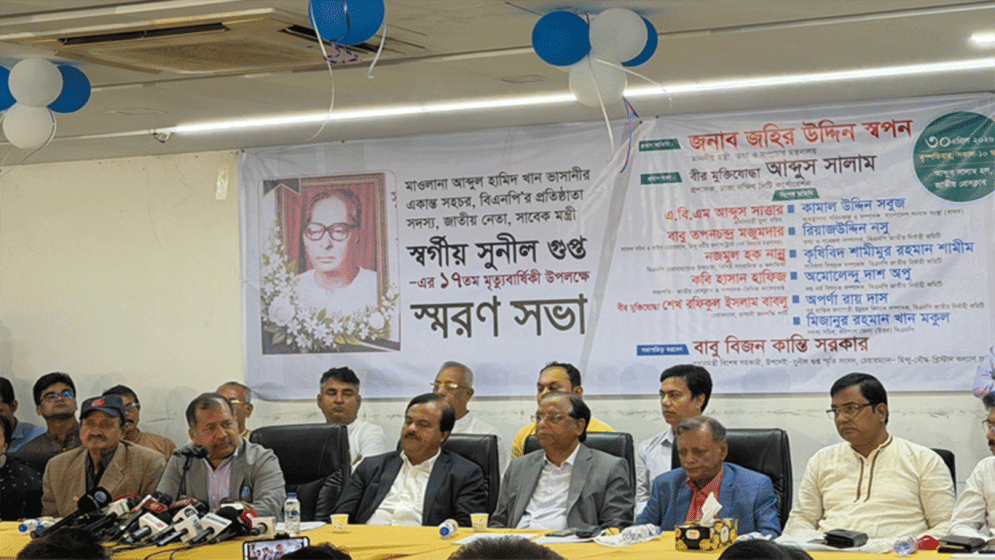
Swapon made the remarks as chief guest at a memorial meeting at the National Press Club, marking the 17th death anniversary of former minister and national leader Sunil Gupta.
Referring to a discussion in Parliament the previous day, he said leaders from the 11-party alliance, particularly Jamaat representatives, had spoken about establishing Sharia law.
However, he noted that on 14 January, during a meeting with a Christian delegation at the party’s central office, Jamaat Ameer Shafiqur Rahman assured them that Sharia law would not be implemented if the party came to power.
Swapon urged the media to highlight the issue, saying he sought clarity on Jamaat’s actual position—whether it intends to adhere to the current constitutional framework or pursue parliamentary politics with a pledge to establish Sharia law.
Drawing a comparison between Jamaat’s past and present, he said the party has undergone gradual changes since its inception. He noted that its founder, Abul A'la Maududi, had once advocated for an Islamic constitution and opposed the creation of Pakistan, though the party later accepted the state structure.
While acknowledging some recent positive steps by Jamaat, Swapon said its current statements appear inconsistent. “The party has nominated candidates from two non-Muslim communities in this election, which is a positive sign,” he added.
He said a society that embraces diversity as a strength is more civilised and developed.
Swapon also noted that leaders like Sunil Gupta could emerge as founders of the Bangladesh Nationalist Party because Ziaur Rahman promoted a pluralistic vision within Bangladeshi nationalism.
Emphasising the importance of religious values, he said the core principles of all religions are fundamentally similar, even if practices differ, and it is the responsibility of the state and society to uphold these shared values.
The meeting, organised by the Sunil Gupta Memorial Sangsad, was chaired by Prime Minister’s Special Assistant Bijan Kanti Sarkar.
Special guests included Abdus Salam, administrator of Dhaka South City Corporation, and BNP Chairperson’s Adviser Nazmul Haque Nannu.
Speakers at the event recalled the political life and contributions of Sunil Gupta.
What's Your Reaction?