











































Rising Borrowing Costs, Flat Investment, Surging Joblessness Triple pressures weigh on the national economy
Rising Borrowing Costs, Flat Investment, Surging Joblessness Triple pressures weigh on the national economy

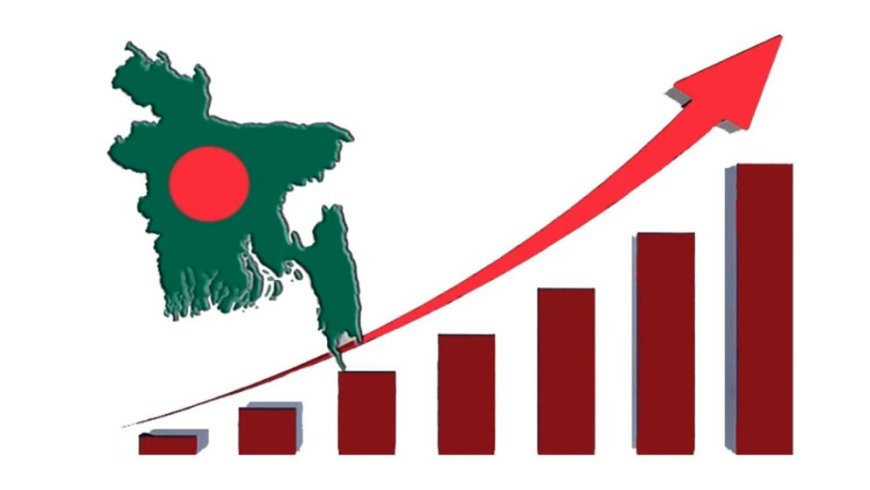
The country’s economy is confronting a difficult reality, weighed down by three major pressures—elevated interest rates, stagnant investment, and a worsening jobs situation. The slowdown that began in early FY 2024–25 amid political instability and structural weaknesses has yet to fully ease. Although recent data point to improvements in some macroeconomic indicators, the challenges facing investment, industrial output, and employment remain unmistakable.
These insights are outlined in Bangladesh State of the Economy, the annual report published by the General Economics Division (GED) of the Planning Commission.
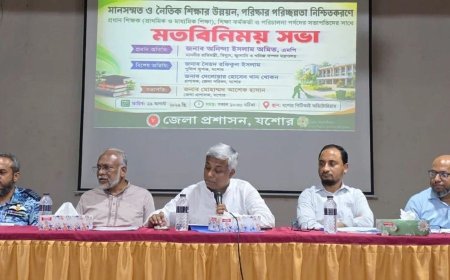
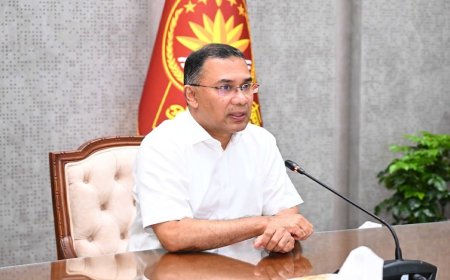
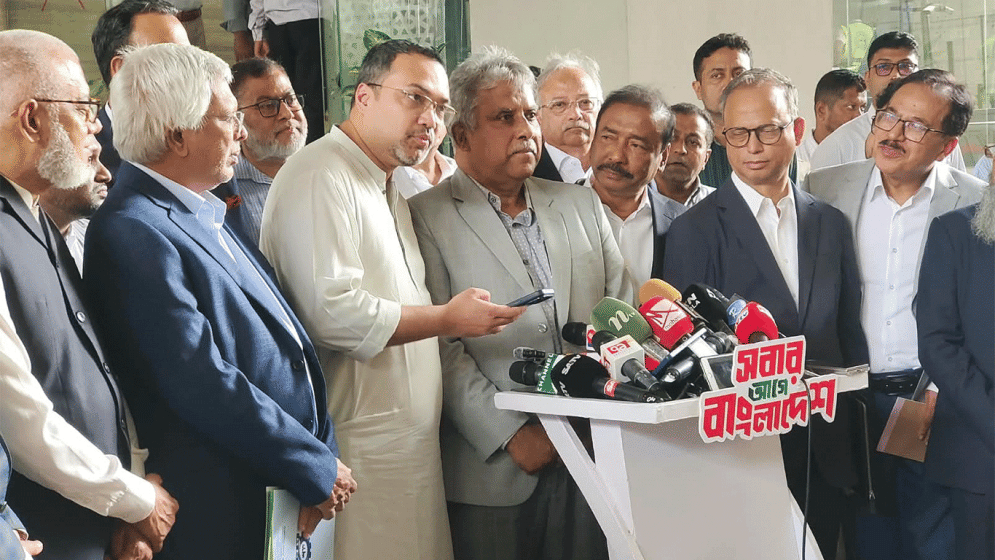
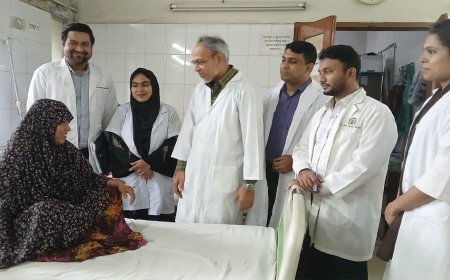
The publication provides an updated assessment of the economic outlook for FY 2024–25. On Monday, the Planning Commission unveiled the Bangladesh State of the Economy 2025 and SDG Progress Report 2025 at a seminar held at the NEC Conference Hall in Sher-e-Bangla Nagar. GED Member (Secretary) Dr. Manzoor Hossain chaired the event, with Additional Secretary Dr. Munira Begum presenting the keynote paper. Special Assistant to the Finance Ministry Dr. Anisuzzaman Chowdhury attended as chief guest.
According to Bangladesh Bureau of Statistics (BBS) figures, GDP growth slipped to just 2 percent in the first quarter of FY 2025, as political uncertainty and market stagnation weighed heavily on the industrial and services sectors. Agriculture grew by only 0.76 percent during the period, industry by 2.44 percent, and services by 2.41 percent.
The economy showed signs of improvement in the second and third quarters. Industrial growth surged to 7.1 percent in Q2 and remained strong at 6.91 percent in Q3, pushing overall GDP growth to 4.9 percent by the third quarter.
Despite this rebound, analysts caution that the recovery remains fragile. The high-interest-rate environment, in particular, continues to hold back investment.
To curb inflation, Bangladesh Bank has held the policy rate at 10 percent for six consecutive months. As a result, private-sector credit growth has slowed to around 7 percent. By June 2025, private credit growth stood at just 7.15 percent—far below the level needed to drive investment. Rising government borrowing has further tightened liquidity, leaving even less room for private investment.
This investment squeeze has directly restrained industrial output. The index of industrial production shows overall industrial growth at only 4.3 percent in FY 2024–25. Although October and December recorded strong expansions of 11.39 percent and 10.36 percent respectively, output slipped back into negative territory in August. Seasonal upticks aside, the sector has struggled to regain sustained momentum. Limited production growth has also meant weak job creation.
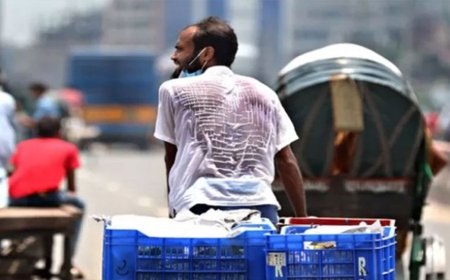
The employment situation has therefore become increasingly alarming. The Labour Force Survey indicates that the unemployment rate rose to 3.66 percent in 2024, up from 3.35 percent a year earlier. Youth unemployment climbed even more sharply—from 7.25 percent to 8.07 percent. The share of young people not in education, employment, or training (NEET) now stands at 20.3 percent. Although the economy is structurally transforming, the labour market is failing to adapt in step.
Inflation remains another source of strain. While price pressures have eased somewhat in recent months, they continue to weigh heavily on households. Point-to-point inflation fell to 8.48 percent in June 2025—its lowest level in two years. Food inflation returned to single digits, yet rising rice prices remain troubling. Rice alone contributed 51.55 percent of food inflation in July, with medium rice varieties accounting for nearly one-quarter. Despite higher output following the Boro harvest, prices have not adjusted accordingly.
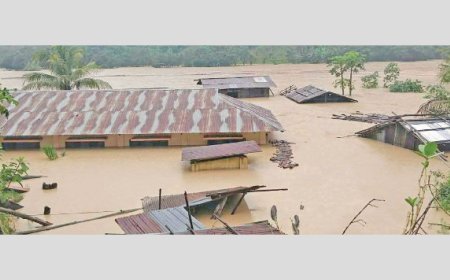
Agriculture also shows signs of vulnerability. In FY 2025, Aush production fell by 0.85 percent and Aman by 6.04 percent. Climate-related shocks—including frequent floods and erratic weather—are heightening risks for farmers, with implications for both inflation and food security.
In response, the interim government has introduced a series of measures aimed at stabilizing the economy. Bangladesh Bank has been granted expanded authority to restore discipline in the banking sector, including moves to merge weak banks. Budget allocations for labour market restructuring have been increased, and BIDA has been tasked with driving structural reforms and hosting an investment summit to attract investors.
Yet the core problem persists: high interest rates are suppressing investment; industrial production is not recovering at the pace required; and employment is bearing the brunt of the slowdown. While the economy is showing signs of revival, the durability of this recovery will depend on meaningful structural reforms, especially in boosting investment and job creation.
Speaking at the seminar, Bangladesh Bank Governor Dr. Ahsan H. Mansur said that since taking office, he has undertaken several initiatives to ease economic pressures—steps he believes have put the economy on a path toward recovery.
What's Your Reaction?