
















































IMF Says World Avoided Worst of Middle East Energy Shock, but Risks Persist
IMF Says World Avoided Worst of Middle East Energy Shock, but Risks Persist


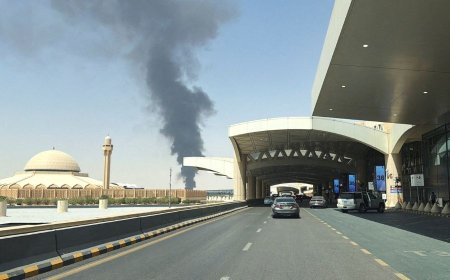
The International Monetary Fund (IMF) said on Thursday that the global economy had withstood the energy shock triggered by the war in the Middle East better than initially feared. It maintained that global economic growth was still expected to reach around 3% in 2026, although significant risks remained.
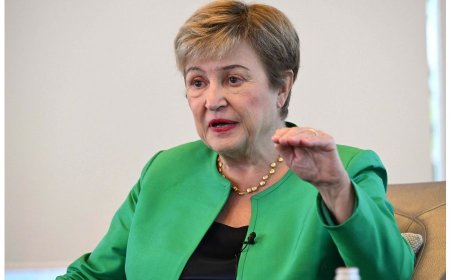
IMF spokesperson Julie Kozack said oil and gas prices were still elevated and warned that the energy shock caused by the conflict had not yet ended. She also pointed to growing global debt pressures and said progress in bringing down inflation following the 2022 cost-of-living crisis had stalled.
“Global inflation expectations have increased, but remain well anchored over the longer term,” Kozack said at a regular IMF briefing.
“Despite six months of war in the Middle East, the global economy has so far shown resilience,” she said. Some countries had been able to absorb the energy shock by drawing on oil and gas reserves, while others had switched to alternative energy sources or taken measures to reduce demand.
“We remain on track for global growth of around 3%, but uncertainty continues to remain high,” Kozack added.
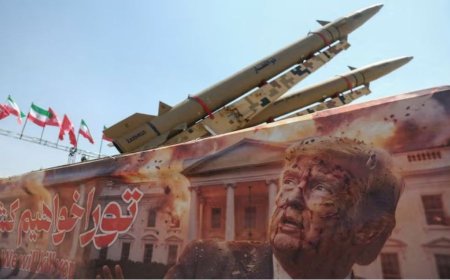
The IMF projected in July that the global economy would grow by 3.0% in 2026, below the 3.5% average recorded in 2024 and 2025 and slightly lower than its earlier April forecast of 3.1%. That forecast assumed the Middle East conflict would ease by mid-July. However, Iran and the United States have since intensified attacks, while the conflict has expanded amid increased military activity in Yemen.
The IMF is due to publish an updated global economic forecast during its annual meetings with the World Bank in Bangkok from October 12 to 18.
Global economy facing conflicting pressures
Kozack said the global economy was being affected by two opposing forces. The war-related energy supply shock has pushed up prices for energy, fertilisers, food and other commodities, while the technology cycle driven by artificial intelligence has created a positive demand shock.
She warned that risks remained elevated as many countries need to rebuild their oil and gas reserves, while energy demand is expected to increase as winter approaches in the Northern Hemisphere.
Global public debt is also coming under growing pressure, having reached nearly 100% of global GDP — its highest level since World War II — and is expected to rise further. Many advanced economies are already carrying particularly high debt-to-GDP ratios.
Kozack also highlighted mounting liquidity pressures in developing economies, including several African countries, partly because of reduced bilateral assistance.
The IMF is calling on central banks to remain focused on their price-stability mandates while urging governments to establish medium-term plans to bring down fiscal deficits and debt.
“We are not in a situation where fiscal consolidation needs to take place overnight, but having a clear plan and strategy for reducing deficits and debt is very important for fiscal authorities,” Kozack said.
The IMF is also encouraging governments to improve long-term growth prospects through structural reforms and by removing what it described as “self-inflicted” barriers to economic expansion.
Kozack said the IMF would closely assess the impact of new US sanctions on Iran, including secondary sanctions targeting companies in third countries that support Tehran. A more detailed assessment is expected in the IMF’s upcoming global economic outlook.
What's Your Reaction?