














































Oil Prices Rise Sharply as Iran Tightens Control Over Hormuz
Oil Prices Rise Sharply as Iran Tightens Control Over Hormuz

Oil prices remained above $100 a barrel on Thursday, a day after Iran said it had attacked more than a dozen vessels attempting to pass through the Strait of Hormuz.
Tehran tightened its control over the crucial oil and gas shipping route on Wednesday, expanding a prohibited area outside the waterway, where it has already restricted maritime traffic since the war with the United States began on February 28.
Brent crude, the international benchmark, stood at $101.28 a barrel in early Asian trading on Thursday, after briefly climbing above $100 the previous day for the first time since July.
The surge followed reports by Iranian state media that the Islamic Revolutionary Guard Corps had attacked two US vessels, eight oil tankers and 10 other "non-compliant vessels" attempting to transit the strait. The waterway normally handles about one-fifth of global oil shipments.
The UK Maritime Trade Operations (UKMTO) said several commercial vessels in the Northern Arabian Gulf and Gulf of Oman, which flank the Strait of Hormuz, had come under disabling fire amid continuing military activity in the region.
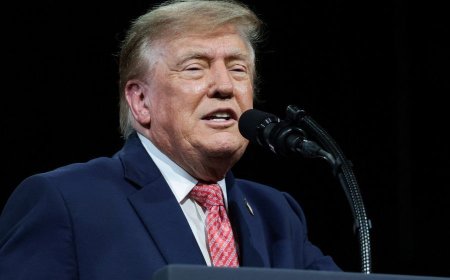
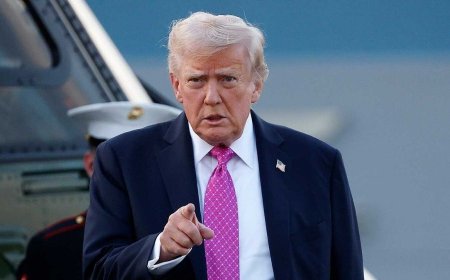
US President Donald Trump said oil prices would fall "as soon as" Washington wins the war, which has reached an apparent stalemate more than six months after US and Israeli strikes on Tehran triggered the conflict.
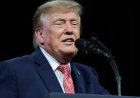
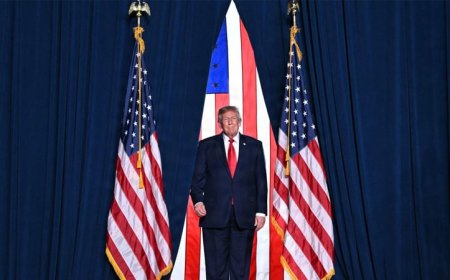
"Oil will be going down as soon as we win the war with Iran," Trump told Republicans in Texas, as his party faces difficult polling numbers against Democrats.
"We're winning it. We control the Hormuz Strait," he said, again floating his proposal to rename the waterway the "Trump Strait".
Trump's confidence came as Iran's Revolutionary Guards announced on Wednesday that parts of the Gulf of Oman and the Arabian Sea had been added to a new "prohibited zone", with precise coordinates to be released later.
"If a vessel enters that area without coordination, it will be subject to our sanctions," Guards spokesman Hossein Mohebi said on Iranian state television.
Iran has maintained tight control over the Strait of Hormuz since the conflict began in February, leaving maritime traffic through the strategic waterway largely paralysed.
Tehran has required vessels to obtain permission and pay transit fees before passing through the strait.
Trump said on Wednesday that the war would end shortly after the November midterm elections, claiming Iran "can't hold out any longer".
However, the Wall Street Journal reported that US officials said Trump's senior advisers were privately warning that the conflict could continue through the remaining two years of his presidential term.
The Revolutionary Guards also said they had attacked a US military base in Jordan in retaliation for US forces destroying five Iranian oil tankers a day earlier.
Jordan's military said it had intercepted 18 missiles fired toward the kingdom.
Iran's Foreign Ministry condemned the strikes on its oil tankers as "an overt threat to regional and international peace and security", warning that they would heighten tensions across the region.
The ministry said attacks against US military facilities in the region were carried out in self-defence.
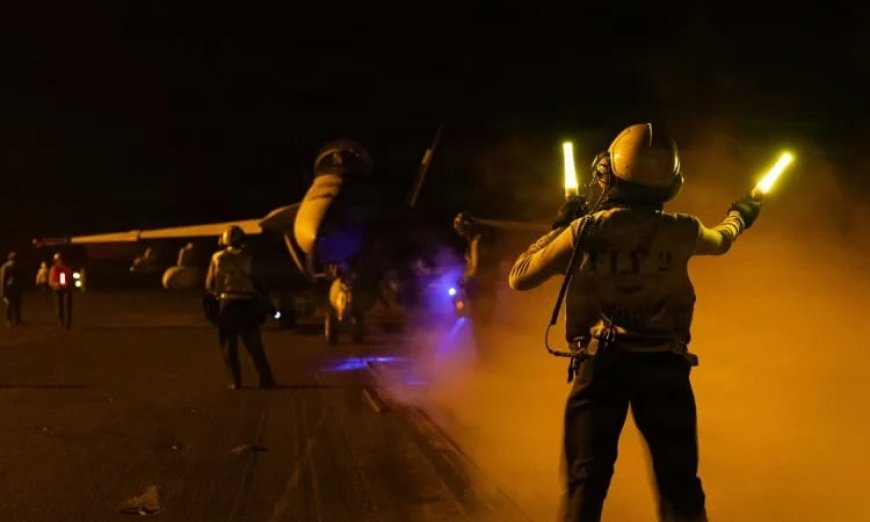
The US military said it had been responding to an Iranian attack targeting an American warship, the second such incident in less than a week.
Conditions for ending the war
Iran's Revolutionary Guards said the conflict could end if Washington met a series of demands, including conditions linked to the wars in Lebanon and Yemen.
According to Fars news agency, Mohebi said Tehran wanted Washington to refrain from renewed threats, withdraw Israeli forces from Lebanon, end the blockade of Yemen, release $24 billion in frozen Iranian assets and avoid interference in Iran's nuclear and missile programmes.
Meanwhile, Washington's efforts to economically isolate Tehran intensified after the International Atomic Energy Agency's board of governors voted on Wednesday to refer Iran to the UN Security Council over its nuclear "non-compliance".
The resolution was approved by 23 votes to three, with eight abstentions. Russia, China and Niger voted against it.
Iran's representative to the UN nuclear watchdog said the resolution had been adopted under US pressure, arguing that it "has no basis and will not bring any results".
Israeli Prime Minister Benjamin Netanyahu meanwhile repeated his assertion that Iran was nearing collapse.
"The main task is to bring down the terror regime in Iran. We are very close to that," Netanyahu said on Wednesday during a visit to troops in southern Syria, where Israel has occupied what it describes as a security zone.
What's Your Reaction?