



















































Houthis Advance Along Yemen’s Coast, Raising New Threat to Shipping
Houthis Advance Along Yemen’s Coast, Raising New Threat to Shipping


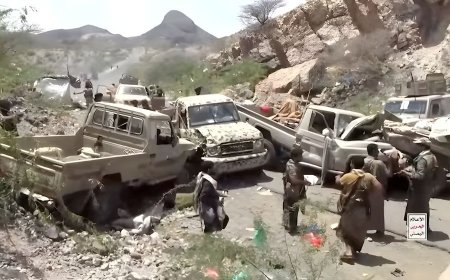
Iran-aligned Houthis seized Yemen’s port city of Mocha on Thursday and advanced along the Red Sea coast toward strategic islands, according to Yemeni military sources, raising fresh concerns over the security of one of the world’s busiest shipping corridors.
Yemeni government sources said the Houthi advance strengthened their position near the Bab el-Mandeb Strait, the southern gateway to the Red Sea, and extended to the Hanish Islands.
The Houthi-run Humanitarian Operations Coordination Centre said Red Sea navigation remained safe for all shipping companies except Saudi vessels. However, the potential impact on shipping and energy supplies could not be overlooked, particularly as the crisis comes amid an effective Iranian blockade of the Strait of Hormuz.
Saudi Arabia, the world’s largest oil exporter, has increasingly depended on Red Sea routes after fighting around Hormuz disrupted the waterway, through which roughly one-fifth of global oil supplies previously passed.
Houthi spokesperson Mohammed Abdulsalam said their operations were defensive and would end once attacks on Yemen ceased, without providing further details.
Second Chokepoint
A Houthi effort to restrict traffic through the Bab el-Mandeb Strait could provide Iran with a major strategic advantage by threatening a second key energy corridor on the opposite side of the Arabian Peninsula from Hormuz. Any prolonged disruption could also push global oil prices sharply higher.
Brent crude rose as much as 4% on Thursday to around $105 a barrel amid concerns over disruptions to shipping and energy supplies.
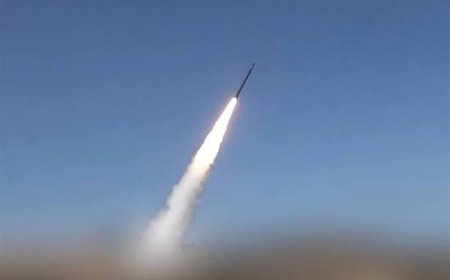
The Houthis joined the conflict alongside Iran with an attack on Israel in March, but largely remained inactive before announcing a naval blockade targeting Saudi Arabia in July. They have also intensified attacks on southern Saudi Arabia this month.
Regional tensions remained high on Thursday, with Saudi civil defence authorities issuing emergency warnings in the southwestern city of Khamis Mushait for the fourth time in 24 hours as Houthi attacks continued.
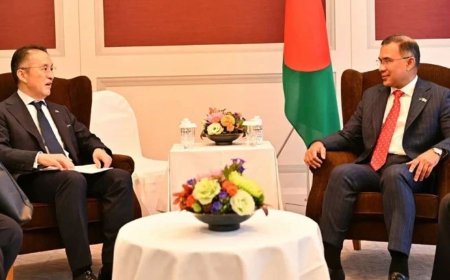
Saudi, Pakistani and Iranian sources said Pakistan had conveyed a Saudi warning to Tehran, urging Iran to rein in its Houthi allies and prevent the conflict from escalating further.
A senior Iranian official confirmed that Pakistan delivered the message on Tuesday, saying Tehran’s response was that “Iran does not control the Houthis.”
Axis of Resistance
The latest escalation comes amid the broader conflict between Yemen’s Iran-aligned Houthis and forces supporting the internationally backed Yemeni government, as Iran and the United States have exchanged their most intense declared attacks on Gulf-region shipping since the war began in February.
The Houthis are part of the Iran-backed regional alliance often referred to as the “Axis of Resistance.” They have also supported Palestinians during the Gaza conflict, launching drones and missiles at Israel and attacking commercial vessels in the Red Sea.
Yemeni government forces and allied fighters are moving south along the Red Sea coast toward Dhubab, which lies directly opposite the island of Perim at the entrance to the Bab el-Mandeb Strait, according to military sources. They said control of Dhubab and Perim would be crucial to controlling access through the waterway.
Bab el-Mandeb, meaning “Gate of Tears,” lies between Yemen and the African coastlines of Djibouti and Eritrea. Its strategic location makes it a critical objective for the Houthis, who control Yemen’s most populous regions and much of the north.
The waterway is a major route for crude oil and petroleum products travelling from the Gulf toward the Mediterranean through the Suez Canal and the Suez-Mediterranean pipeline, while also carrying commodities to Asia, including Russian oil.
Trump Predicts War Will End After Midterms
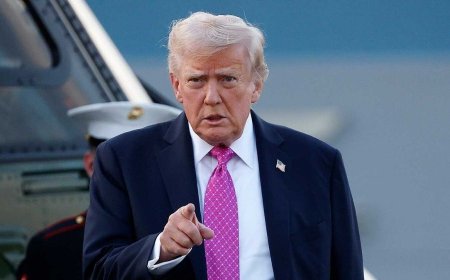
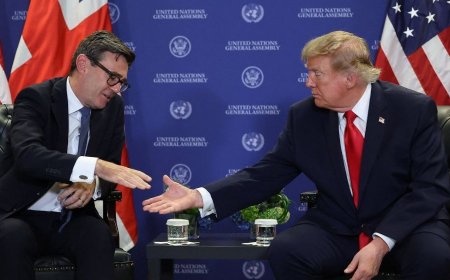
The conflict and resulting rise in fuel prices have contributed to a decline in US President Donald Trump’s popularity. Trump accused Tehran of attempting to influence the November US midterm elections, which will determine whether Republicans retain control of Congress.
“I think war is going to end immediately after the election because they can’t hold out any longer,” Trump told reporters on Wednesday, arguing that Iran was desperate to influence the vote.
Trump has previously issued deadlines for the conflict to end.
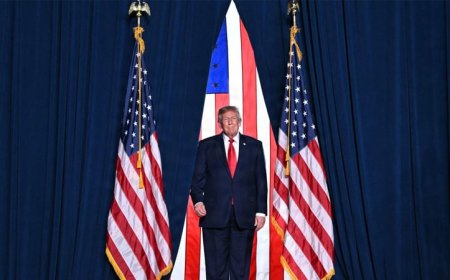
Speaking at the Republican midterm convention on Wednesday, he also warned that the United States could strike Iran’s Pickaxe Mountain, a heavily fortified facility containing deeply buried tunnel complexes near the damaged Natanz uranium enrichment site.
The United States and Israel launched military strikes against Iran in February, citing concerns including Tehran’s nuclear programme. Iran maintains that its nuclear activities are peaceful.
Washington had recently pointed to growing success in guiding tankers through the Strait of Hormuz, which handled around one-fifth of global oil supplies before the war. However, renewed fighting this month appears to have slowed efforts to reopen the waterway.
Preliminary ship-tracking data showed that only seven vessels passed through the strait on Wednesday, roughly half the 10-day average.
Iran said on Wednesday that it had attacked 10 ships near the Strait of Hormuz after the United States sank five Iranian oil tankers.
What's Your Reaction?