



















































US Vice President JD Vance postpones Switzerland trip for Iran negotiations
US Vice President JD Vance postpones Switzerland trip for Iran negotiations

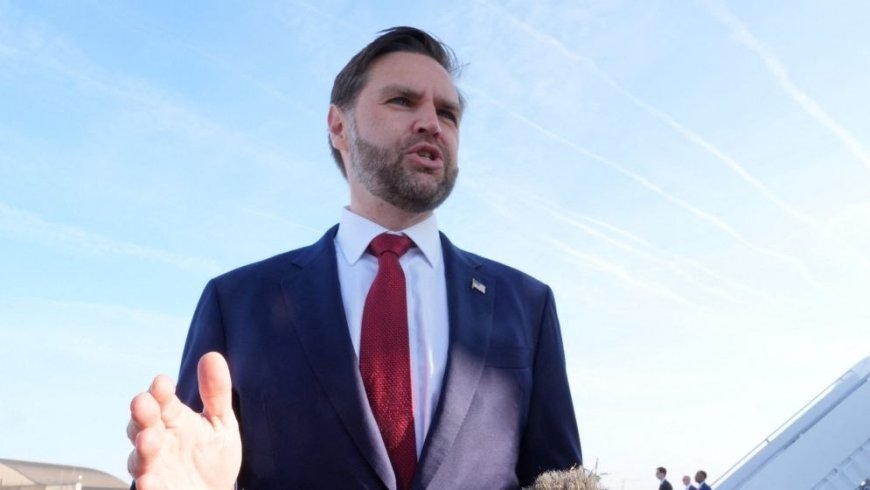
US Vice President JD Vance has postponed a planned trip to Switzerland for talks on implementing the recently signed US-Iran agreement aimed at ending the Middle East war, the White House said on Thursday.
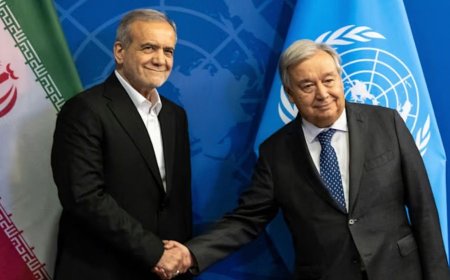
The delay comes amid uncertainty over the next phase of negotiations following Wednesday's agreement between US President Donald Trump and Iranian President Masoud Pezeshkian. The deal initiated a 60-day period of discussions on broader issues, including Iran's nuclear programme.
“The logistics of these negotiations have never been simple or predictable. As of now, the Vice President is not departing tonight,” a White House spokesperson said, adding that Washington hoped to begin technical talks as soon as possible.
Iranian media also reported that no decision had been made regarding a Swiss visit by Tehran's delegation.
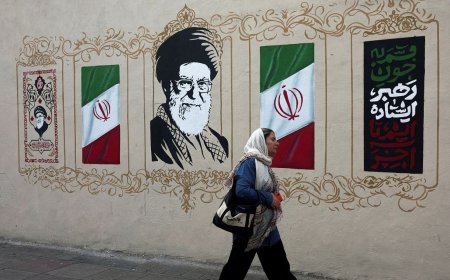
Iran's Supreme Leader Ayatollah Mojtaba Khamenei, who succeeded his father Ali Khamenei after his death in an airstrike during the conflict, said he had approved the agreement despite reservations. In a statement, he said he authorised the deal based on assurances from Iranian officials that the country's rights would be protected.
While stressing that future direct talks with Washington did not signify acceptance of US positions, Khamenei warned that Iran would respond decisively to any violation of the agreement.
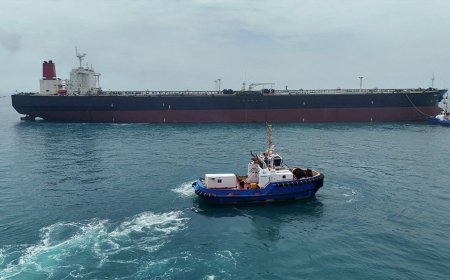
Meanwhile, the United States lifted its naval blockade of Iranian ports, allowing maritime traffic to resume, although American warships remain in the region. Activity in the Strait of Hormuz remained limited, though several commercial vessels, including Saudi oil tankers and a French LNG carrier, passed through the strategic waterway.
Under the agreement, ships seeking passage through the Strait of Hormuz must obtain approval from a newly established Iranian authority, though no fees will be charged during the 60-day negotiation period.
The deal is intended to end a five-week conflict between the US, Israel and Iran that concluded with a ceasefire in early April. However, doubts remain about its durability. Some Iranians expressed concern that hostilities could resume once the negotiation period ends, a sentiment echoed by French President Emmanuel Macron, who said he was not convinced the conflict was completely over.
The agreement requires Washington to immediately ease oil sanctions on Iran and, upon reaching a final accord on Tehran's nuclear programme, facilitate access to a $300 billion reconstruction fund backed by regional countries.
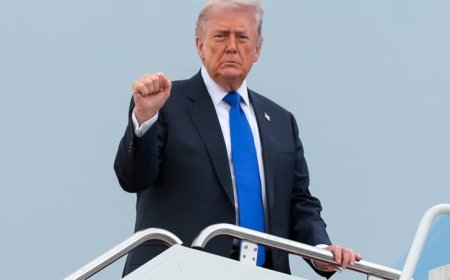
The deal has drawn criticism from some US Republicans. Senator Bill Cassidy described it as one of the worst foreign policy mistakes in decades. Trump defended the decision, arguing that extending military operations would have risked disrupting global energy supplies and triggering a worldwide economic crisis.
Despite criticism from hardliners in both countries, Iranian President Pezeshkian hailed the agreement as historic, while chief negotiator and parliament speaker Mohammad Bagher Ghalibaf portrayed it as evidence of US failure.
What's Your Reaction?