


















































Govt to Launch Third-Phase Solar Project for Complete Electrification of Hill Tracts
Govt to Launch Third-Phase Solar Project for Complete Electrification of Hill Tracts

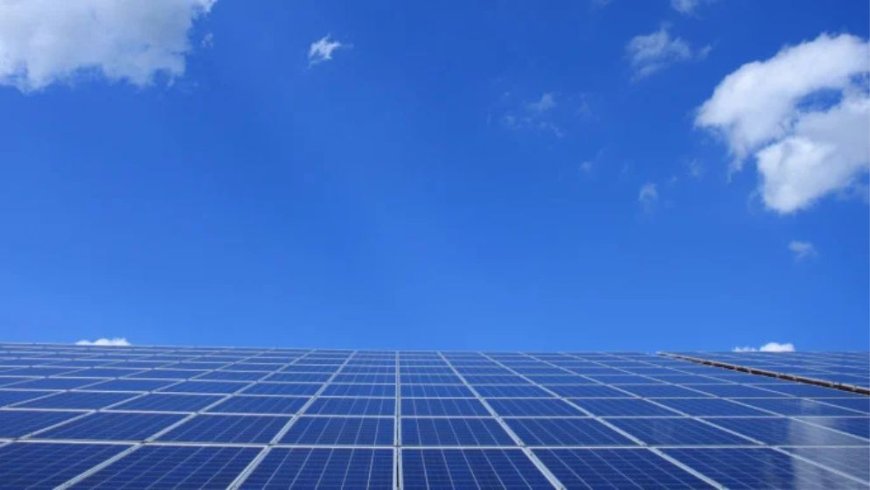
The government is planning to launch a third-phase solar power project to achieve full electrification in the remote hill districts of Rangamati, Bandarban and Khagrachhari, aiming to extend electricity access to areas where grid expansion remains challenging.
The Ministry of Chittagong Hill Tracts Affairs has proposed implementing the five-year initiative from 2026 to 2031, focusing on remote communities where extending the national grid is technically difficult and financially unviable.
Officials said inadequate electricity supply continues to impede education, agriculture and overall socio-economic development in the hill tracts, making off-grid solar energy the most practical and sustainable option.
The government has yet to determine whether the project will be implemented by the Ministry of Chittagong Hill Tracts Affairs or the Ministry of Power, Energy and Mineral Resources.
The proposal was raised during this year's Deputy Commissioners' Conference, where the Rangamati deputy commissioner recommended a dedicated initiative to ensure uninterrupted electricity and complete electrification across the three hill districts.
Following the recommendation, the Cabinet Division sought feedback from the relevant ministries to evaluate the project's feasibility.
Mohammad Mizanur Rahman, secretary of the Ministry of Chittagong Hill Tracts Affairs, told BSS that the project has been included in the Annual Development Programme (ADP) as an unapproved "Green Leaf" project, indicating it has received preliminary policy recognition and could later be converted into a full Development Project Proposal (DPP).
"If the DPP is approved, implementation will begin in 2026 and continue until 2031," he said.
Officials said both the Ministry of Power, Energy and Mineral Resources and the Ministry of Chittagong Hill Tracts Affairs have separately submitted proposals to the Planning Commission to expand electricity coverage in the hill districts.
Prime Minister Tarique Rahman has also stressed the importance of expanding renewable energy to address global energy challenges.
On July 26, he said the government was actively considering allowing solar power generation on uncultivable land in tea gardens and pledged the necessary financial support for renewable energy projects.
According to the latest June report by the Implementation Monitoring and Evaluation Division (IMED), the second phase of the Chittagong Hill Tracts solar electrification programme has already been completed.
Despite that progress, many remote settlements remain without electricity.
The IMED report noted that the region's rugged terrain, dense forests and poor transport infrastructure make grid expansion both technically complex and prohibitively expensive. It identified off-grid solar photovoltaic systems as the most effective, practical and sustainable solution for supplying electricity to isolated communities.
The second-phase project, titled Electricity Supply through Installation of Solar Panels (Phase II), was implemented between July 2020 and June 2023 at an estimated cost of Tk 217.71 crore.
Field-level evaluations found that the project significantly improved living conditions for beneficiary households, with all recipients gaining access to electric lighting and mobile phone charging facilities.
What's Your Reaction?