








































Exclusive: Trump approved Iran operation after Netanyahu pushed for joint plan to target Khamenei, sources say
Exclusive: Trump approved Iran operation after Netanyahu pushed for joint plan to target Khamenei, sources say

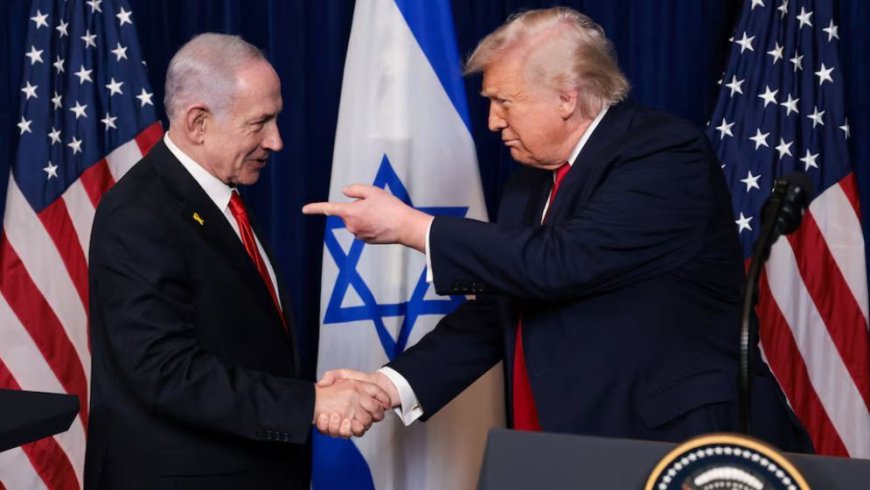
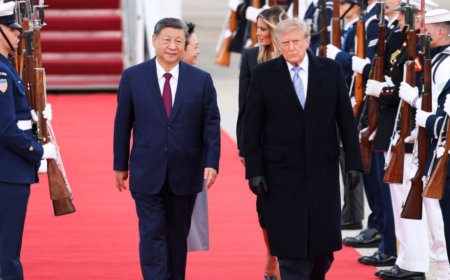
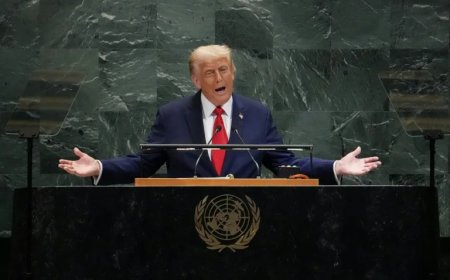
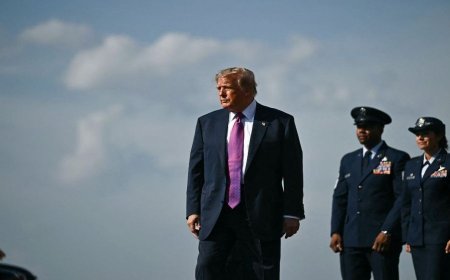
Less than 48 hours before a joint US-Israeli strike on Iran, Prime Minister Benjamin Netanyahu spoke by phone with President Donald Trump to make the case for launching a complex, long-range military operation—one Trump had previously opposed during his campaign.
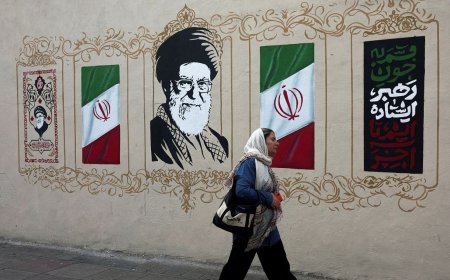
Both leaders had been briefed earlier in the week that Iran’s Supreme Leader Ali Khamenei and senior aides were expected to gather at his Tehran compound, presenting a rare opportunity for a “decapitation strike.” However, updated intelligence indicated the meeting had been moved to Saturday morning, narrowing the window for action.
During the call, which has not been previously reported, Netanyahu argued that the moment presented a unique chance to eliminate Khamenei and respond to alleged Iranian plots targeting Trump, including a reported 2024 assassination attempt. US authorities had earlier accused a Pakistani national of attempting to recruit operatives for such a plan, allegedly in retaliation for the US killing of Qassem Soleimani.
At the time, Trump had already approved the concept of military action against Iran but had not finalized the timing or conditions for US involvement. American forces had been building up in the region for weeks, and officials believed a strike was increasingly likely, though earlier plans had been delayed due to poor weather.
While it remains unclear how much Netanyahu’s arguments influenced Trump, sources say the call served as a decisive moment. Coupled with intelligence suggesting a fleeting opportunity to target Iran’s leadership, it helped prompt Trump’s final order on February 27 to proceed with Operation Epic Fury.
Netanyahu reportedly framed the strike as a historic opportunity to remove a long-standing adversary and potentially trigger internal upheaval in Iran’s leadership. The first strikes began the following morning, and Trump later announced that Khamenei had been killed.
A White House spokesperson said the operation aimed to dismantle Iran’s missile capabilities, neutralize its naval forces, and prevent it from acquiring nuclear weapons. Netanyahu rejected claims that Israel had pushed the US into conflict, insisting Trump acted independently.
Although Trump has maintained the decision was his alone, officials say Netanyahu’s advocacy—particularly highlighting the chance to target a leader allegedly linked to threats against Trump—was influential.
Defense Secretary Pete Hegseth later suggested retaliation was a factor, saying Iran had attempted to assassinate Trump and that the president ultimately “got the last laugh.”
The strike followed months of rising tensions. After failed nuclear negotiations, Israel launched attacks on Iranian nuclear and missile sites in June, later joined by US forces. Discussions continued about further action, including targeting additional military infrastructure and Iran’s leadership.
Netanyahu had long pushed for a tougher stance against Iran, raising concerns about its missile program and regional influence, including support for groups like Hamas and Hezbollah.
By late February, US officials widely expected military action. Intelligence assessments warned that any strike would likely trigger Iranian retaliation—a prediction that proved accurate, with counterattacks on US assets, casualties, disruptions to global shipping routes, and surging oil prices.
Some officials believed eliminating Iran’s top leadership could open the door to a more moderate government, though the Central Intelligence Agency had assessed a hardliner would likely succeed Khamenei.
Following his death, Khamenei’s son, Mojtaba Khamenei, known for his hardline views, was named Iran’s new supreme leader. Despite calls for unrest, Iran remains under tight control, with security forces maintaining a strong presence and much of the population staying indoors as the conflict continues.
What's Your Reaction?