











































National Programme of Action 2026–2030 in the works to eliminate child labour
National Programme of Action 2026–2030 in the works to eliminate child labour

The government is preparing the National Programme of Action (NPA) 2026–2030 with the goal of eliminating child labour in the country by 2030.
An official document from the Ministry of Labour and Employment says the current National Programme of Action for the Elimination of Child Labour 2021–2025 is under review, while a new NPA for the 2026–2030 period is being formulated.
The NPA serves as a government strategy, developed in collaboration with partners such as the ILO and UNICEF, to eradicate child labour in Bangladesh. It focuses on legal reforms, strengthened labour inspections, social protection, skills development and poverty reduction to protect children from hazardous work and ensure access to education.
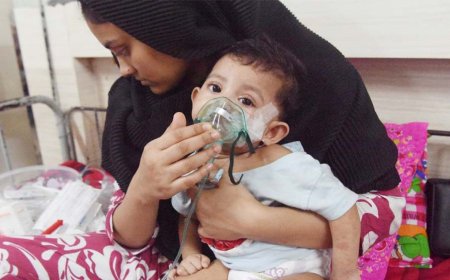
Key components of the programme include aligning national laws with ILO conventions, reinforcing inspection mechanisms, and formulating child labour–related policies. It also aims to address root causes such as poverty through social safety nets, livelihood support for families and provision of basic services for children. Other priorities include withdrawing children from hazardous work, offering skills training for safe occupations, ensuring schooling, providing rehabilitation services, and raising public awareness about child labour and children’s rights.
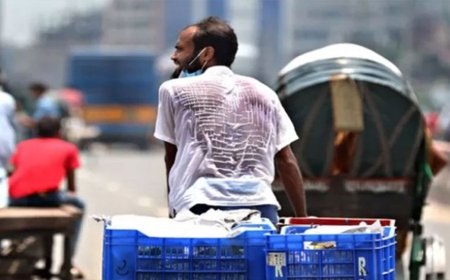
Bangladesh has been implementing the NPA 2021–2025 with the objective of eliminating the worst forms of child labour by 2025. Describing child labour as a social menace, the government has reiterated its commitment to eradicating it.
Over the past year, 3,453 children have been withdrawn from child labour and 16 cases were filed, seven of which have been settled, the document said.
During the same period, authorities conducted 11,691 special inspections, organised 608 motivational meetings and held 60 training programmes to curb child labour. In addition, 347 child daycare centres were established for female workers in garment and other factories.
Maternity welfare benefits were provided to 1,270 female workers in one year, with financial assistance amounting to more than Tk 32.65 crore. According to the document, these initiatives have boosted the confidence of working women and contributed to safer workplaces.
What's Your Reaction?