





































Tarique Rahman: A Beacon of Hope for Bangladesh
Tarique Rahman: A Beacon of Hope for Bangladesh


American journalist John Reed’s celebrated book Ten Days That Shook the World vividly chronicles the final ten days of the Russian Communist Revolution in 1917, from November 7 to November 17. While the last ten days in Bangladesh may not have shaken the globe, they have sparked renewed confidence and demonstrated a powerful example of unity for the nation. Between December 25 and January 4, Bangladesh experienced an unprecedented convergence of grief and hope, marking a pivotal moment in its political history.
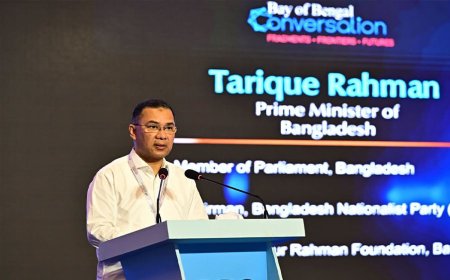
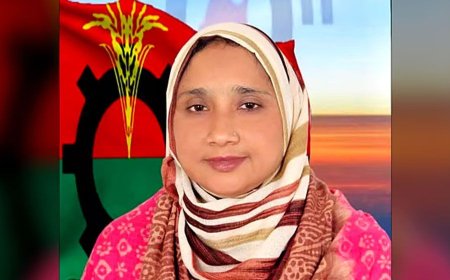
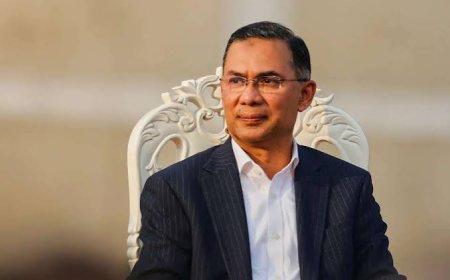
On December 25, after 17 years in exile, BNP Acting Chairman Tarique Rahman returned to Bangladesh. His homecoming represented a turning point in the country’s politics. Following uncertainty over the upcoming election and the death of Inqilab Mancha convener Sharif Osman Hadi, Bangladesh was gripped by instability and unrest. Widespread violence after Hadi’s death heightened public anxiety. In this climate, Tarique Rahman’s return provided a crucial step toward easing uncertainty and restoring political stability.
In late November, Begum Khaleda Zia had been admitted to Evercare Hospital in critical condition, creating a profound leadership vacuum. Tarique Rahman’s return filled that void. Greeted by the love of millions, he called for unity in his first speech, outlining his vision for Bangladesh and emphasizing progress over hatred and vengeance. His arrival gave the people a renewed sense of direction. International observers also responded positively, with influential media outlets dubbing him the “future Prime Minister.” His presence alleviated doubts surrounding the national parliamentary election, energizing the BNP’s campaign and prompting intensified activity across the political spectrum.
Just five days later, on December 30, BNP Chairperson Begum Khaleda Zia passed away. Her death plunged the nation into mourning, with the government declaring three days of state mourning and a state funeral. The massive turnout at her janaza—one of the largest in Bangladesh’s history—demonstrated the nation’s unity in grief. Her passing not only drew ordinary citizens together but also bridged divides among political parties. Leaders from across the spectrum, including the Amir of Jamaat, visited Tarique Rahman to offer condolences, signaling a rare moment of political decorum and mutual respect. Many of these positive shifts in political conduct are attributable to Tarique Rahman’s prudence and leadership, particularly his engagement with diverse political figures during this sensitive period.
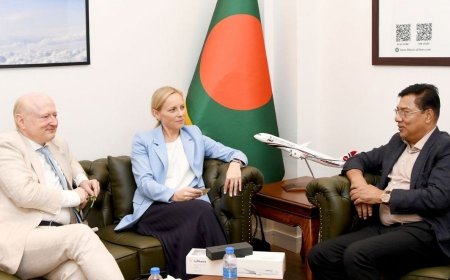
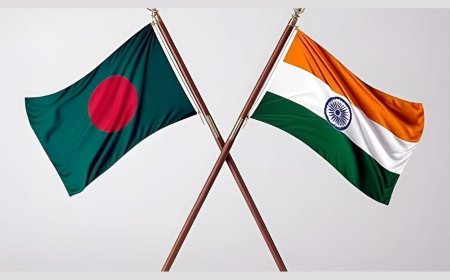
Bangladesh’s grief resonated globally. Diplomats from 32 countries came to pay respects, highlighting the international significance of Begum Zia’s legacy. Of particular note was the visit of Indian External Affairs Minister S. Jaishankar, which came at a time when Bangladesh–India relations had hit a low point. Tarique Rahman’s measured and diplomatic handling of such engagements during this period of mourning provided reassurance and strengthened Bangladesh’s standing abroad.
The contrast between Bangladesh before and after December 25 is striking. Earlier, the country was divided, anxious, and uncertain, with political hostility rampant. Since Tarique Rahman’s return, a new chapter has unfolded: divisions are softening, uncertainty over elections has lessened, and political instability has declined. Over these ten days, Bangladesh has quietly undergone a transformative shift. The people have set a remarkable example of unity and resilience. The return of a single leader has reshaped the nation, raising the question: has the journey of a new Bangladesh truly begun?
What's Your Reaction?