






























































Donald Trump imposes 10% global tariff following sharp court setback
Donald Trump imposes 10% global tariff following sharp court setback

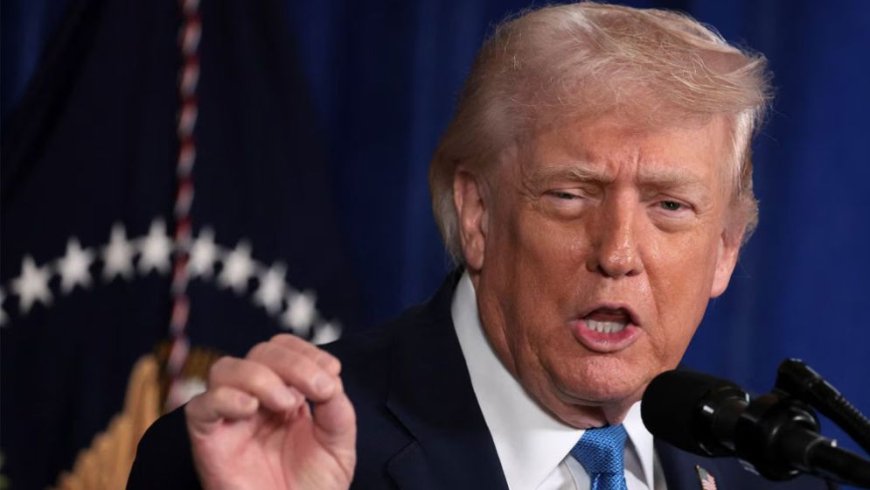
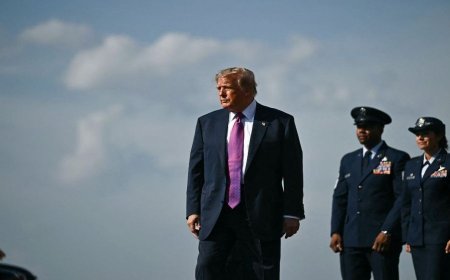
Donald Trump on Friday imposed an additional 10 percent tariff on imports into the United States, hours after the Supreme Court of the United States struck down much of his sweeping tariff regime in a sharp rebuke to a cornerstone of his economic agenda.
Trump signed the order in the Oval Office, later announcing on social media that it would take effect “almost immediately.” Over the past year, he has rolled out a range of tariff rates aimed at pressuring allies and rivals alike.
According to a White House factsheet, the new 10 percent duty will come into force on 24 February for 150 days. Exemptions will remain for sectors under separate investigations, including pharmaceuticals, as well as for goods entering under the United States-Mexico-Canada Agreement.
Even US trading partners that previously negotiated tariff arrangements with the administration will now be subject to the 10 percent levy, regardless of earlier agreed rates. However, a White House official told AFP that the administration would explore options to implement “more appropriate or pre-negotiated tariff rates” in the future.
Earlier in the day, the court ruled 6–3 that the 1977 International Emergency Economic Powers Act — the statute Trump had relied on to impose sudden country-specific tariffs — does not authorize the president to levy such duties. The conservative-majority bench stated that if Congress had intended to grant such “distinct and extraordinary power,” it would have done so explicitly.
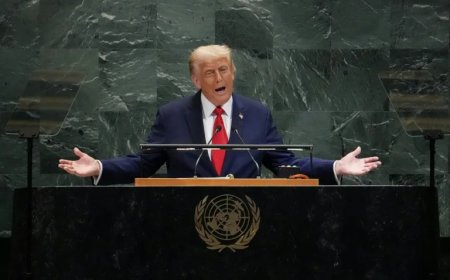
Chief Justice John Roberts wrote that the law contains “no reference to tariffs or duties.” Trump, who appointed two of the justices who ruled against him, reacted angrily, accusing the court — without evidence — of being swayed by foreign interests.
“I’m ashamed of certain members of the court,” Trump told reporters, arguing that the decision ultimately left him “more powerful.” He maintained that alternative legal avenues would allow him to impose even higher tariffs if necessary.
Treasury Secretary Scott Bessent, speaking at the Economic Club of Dallas, said the administration’s alternative approach would leave tariff revenue in 2026 “virtually unchanged.”
The ruling does not affect sector-specific tariffs on steel, aluminum, and other goods introduced under separate authorities. Ongoing government investigations could also result in additional industry-focused levies.
Nonetheless, the judgment marked Trump’s most significant Supreme Court setback since returning to office 13 months ago, even as the court has generally expanded presidential authority in other areas.
Markets reacted positively, with Wall Street posting modest gains following the decision. Business groups welcomed the clarity, with the National Retail Federation calling it a source of “much-needed certainty.”
The issue of refunds remains unresolved. During court proceedings, the administration argued that companies would be reimbursed if the tariffs were deemed unlawful, but the ruling did not address that matter. Justice Brett Kavanaugh, the lone Trump appointee to side with him, warned that any refund process could become a “mess.”
The University of Pennsylvania’s Penn Wharton Budget Model estimated the decision could trigger up to $175 billion in refunds. Meanwhile, Gavin Newsom argued that Americans deserve repayment of what he called an “illegal cash grab,” while Senator Elizabeth Warren cautioned that there is currently no clear legal pathway for consumers or small businesses to recover payments already made.
Research from the Yale University’s Budget Lab estimated that, following Friday’s ruling, the average effective US tariff rate would fall to 9.1 percent from 16.9 percent — though still the highest level since 1946, excluding 2025.
Close trading partners, including the European Union and Britain, said they were reviewing the decision. Canada — repeatedly targeted by Trump’s tariff threats — said the court had affirmed that the levies were “unjustified,” but warned that further trade turbulence could lie ahead. Candace Laing, president of the Canadian Chamber of Commerce, cautioned that Ottawa should prepare for “new, blunter mechanisms” of trade pressure with potentially broader disruption.
What's Your Reaction?