






























Bangladesh to reassess US trade agreement following Supreme Court verdict
Bangladesh to reassess US trade agreement following Supreme Court verdict

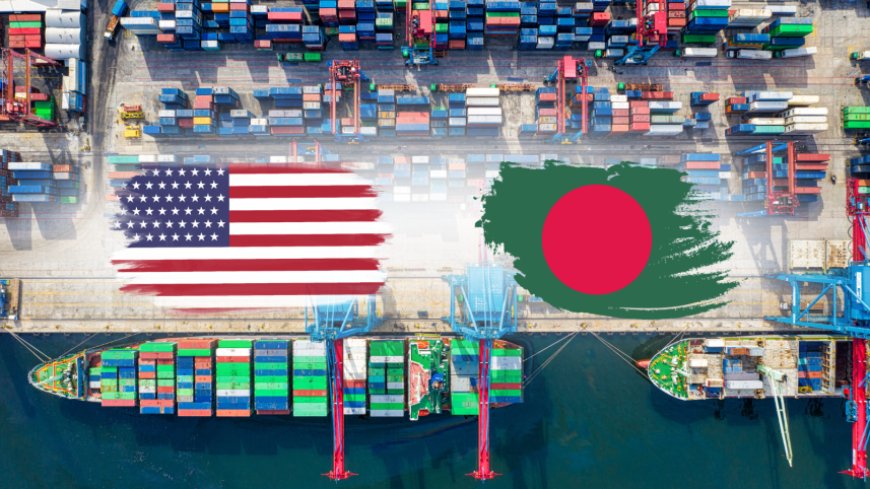
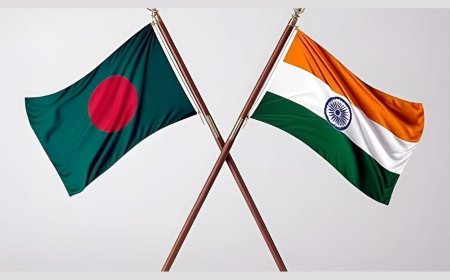
Bangladesh will reassess its reciprocal trade agreement with the United States after the Supreme Court of the United States invalidated many of the sweeping tariffs introduced by the Trump administration, a senior Commerce Ministry official said today.
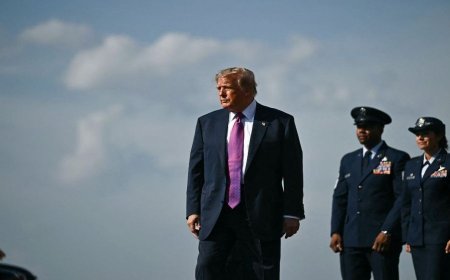
Following the ruling, US President Donald Trump announced an additional 10 percent tariff on imports from all countries. If implemented, Bangladesh would face a 26.5 percent tariff on top of the existing 16.5 percent duty.
“First we will analyse the deal, and then we will take a decision,” said Khadija Nazneen, additional secretary of the WTO wing of the Commerce Ministry, in response to The Daily Star.
She noted that the agreement signed between Bangladesh and the US includes an exit clause. “Only Bangladesh has an exit clause in its deal with the US. No other country that signed a tariff agreement has such a provision. So, we will decide in line with government policy,” said Nazneen, who led the Bangladesh delegation that signed the agreement in Washington on February 9.
She declined to elaborate on how the court’s verdict might affect Bangladesh’s trade relations with the US.
Another senior Commerce Ministry official, speaking on condition of anonymity, said the ruling effectively nullified the entire agreement, raising questions about its continued applicability to Bangladesh. “We will soon hold detailed discussions to determine the necessary course of action. There is a possibility that the deal signed with Bangladesh could be cancelled, as the broader agreement framework has been struck down,” the official said.
Bangladesh was among a handful of countries to sign the American Reciprocal Trade (ART) agreement with the US on February 9, securing a reduction in the reciprocal tariff rate to 19 percent from 20 percent. The US remains Bangladesh’s largest export market. The interim government signed the deal with the Trump administration to safeguard market access, though it faced criticism at home for being one-sided.
Trump had declared reciprocal tariffs under a national emergency on April 2 last year. Initially, Bangladesh faced a 37 percent tariff, which was later reduced to 35 percent. After negotiations, the rate was brought down to 20 percent and subsequently to 19 percent under the deal.
The 19 percent reciprocal tariff was imposed in addition to the existing 16.5 percent duty, pushing the total effective average tariff to 34.5 percent. If the proposed 10 percent additional tariff takes effect, the overall rate would stand at 26.5 percent.
Faisal Samad, a director of the Bangladesh Garment Manufacturers and Exporters Association, said it was premature to comment.
“This is a legal matter. We need a few working days to fully understand the implications before making any remarks,” he said.
He added that exporters remain cautiously optimistic that if the 10 percent rate is finalised and the total effective tariff stands at 26.5 percent, Bangladesh could potentially benefit.
What's Your Reaction?